
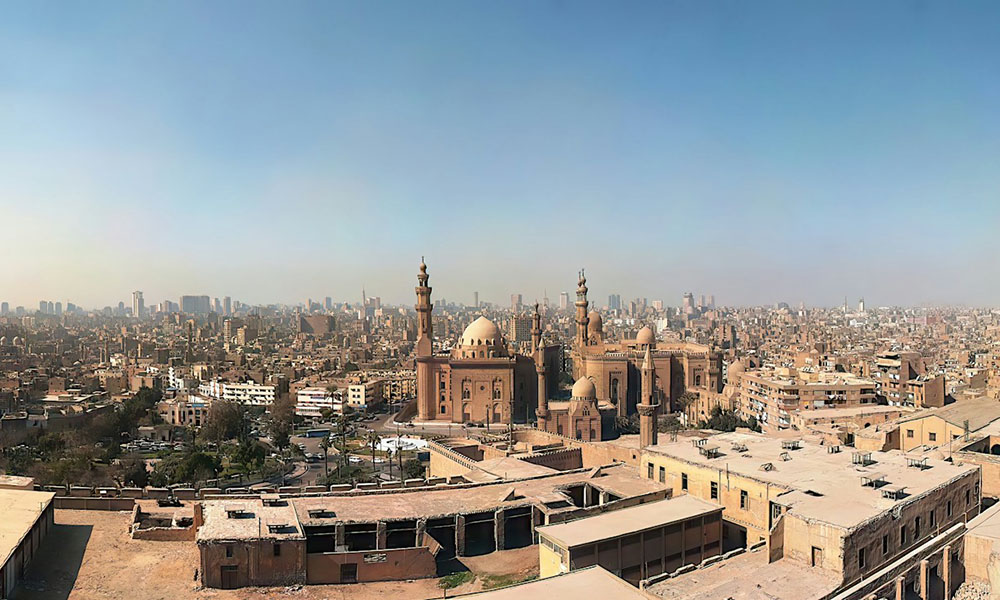
Temperature tells only part of the story. Humidity, urban design, sunlight, and even the materials beneath your feet can make two cities with the same temperature feel completely different.
Imagine checking the weather and seeing that two cities are both 32°C (90°F).
One feels uncomfortable but manageable. The other feels overwhelming after just a few minutes outside.
If the temperature is the same, why does it feel so different?
The answer lies in several factors that influence how the human body experiences heat. Air temperature matters, but it is far from the whole picture.
Humidity Can Make Heat Feel Much Worse
Humidity is one of the biggest reasons some cities feel hotter than others.
Your body cools itself primarily through sweat. When sweat evaporates, it removes heat from the skin.
In dry climates, sweat evaporates relatively quickly.
In humid climates, the air is already filled with moisture, making evaporation slower and less effective.
As a result, your body has a harder time cooling itself.
That's why a humid 32°C day in places like Singapore or Miami can often feel more uncomfortable than a dry 38°C day in parts of Arizona or the Middle East.
The temperature may be lower, but the body's natural cooling system is working much harder.
Concrete and Asphalt Turn Cities Into Heat Traps
Have you ever walked across a parking lot on a summer afternoon?
The ground often feels much hotter than the air.
That's because materials such as concrete, asphalt, brick, and dark rooftops absorb large amounts of solar energy during the day and slowly release it after sunset.
This phenomenon is known as the urban heat island effect.
In heavily built-up cities, temperatures can remain elevated long after the sun goes down. Buildings, roads, and parking lots store heat and release it throughout the evening.
That's one reason a city center may feel noticeably warmer than nearby suburbs or rural areas.
Shade Makes a Bigger Difference Than Most People Realize
Not all heat comes from the air itself.
Direct sunlight can dramatically increase how hot a person feels.
Think about the difference between:
- Sitting under a large tree
- Standing in an open parking lot
The air temperature may be identical, but the experience is completely different.
Cities with more parks, mature trees, and shaded walkways often feel more comfortable during hot weather than cities dominated by concrete and glass.
Urban planners increasingly view tree coverage as a public health issue rather than simply a landscaping choice.
Wind Can Change Everything
A gentle breeze can make a hot day feel far more comfortable.
Moving air helps carry heat away from the body and speeds up sweat evaporation.
That's why coastal cities often feel different from inland locations with similar temperatures.
When air becomes still, heat tends to feel more intense because the layer of warm air around the body is not dispersed as effectively.
Even a small amount of wind can make outdoor conditions more tolerable.
Tall Buildings Can Either Help or Hurt
Skyscrapers influence temperature in surprising ways.
In some cases, tall buildings create shade that protects pedestrians from direct sunlight.
In other situations, they trap heat and reduce airflow, creating what some people describe as an "urban canyon" effect.
A city filled with high-rise buildings may therefore have areas that feel significantly hotter or cooler depending on street layout, building height, and wind patterns.
Nighttime Temperatures Matter Too
Many people focus on daytime highs.
But nighttime temperatures can have a major impact on comfort.
In desert regions, temperatures often drop rapidly after sunset because dry air loses heat relatively quickly.
Humid cities frequently retain more heat throughout the night.
This means residents get less relief after sunset and buildings may remain warm for longer periods.
A city where nights remain above 28°C can feel far more exhausting during a heat wave than a city that cools down significantly overnight.
Why Weather Apps Sometimes Feel Wrong
One reason people become frustrated with weather forecasts is that they often focus on air temperature.
But the human body does not experience temperature in isolation.
What you actually feel depends on a combination of:
- Air temperature
- Humidity
- Wind speed
- Sun exposure
- Ground surfaces
- Urban density
Two cities showing the same number on a weather app can produce entirely different experiences once you step outside.
That's why weather services often include a "feels like" temperature alongside the actual temperature.
It's Not Just About How Hot a City Is
When people discuss the world's hottest cities, they usually focus on temperature records.
But from a daily living perspective, comfort is often more complicated.
A slightly cooler city with high humidity, little shade, and heavy traffic can feel more oppressive than a hotter city with dry air, strong breezes, and abundant green space.
In other words, the hottest city isn't always the one that feels the hottest.
The next time you're traveling or checking the forecast, it may be worth looking beyond the temperature itself. Sometimes the difference between a comfortable afternoon and a miserable one has less to do with the number on the screen and more to do with everything surrounding it.