
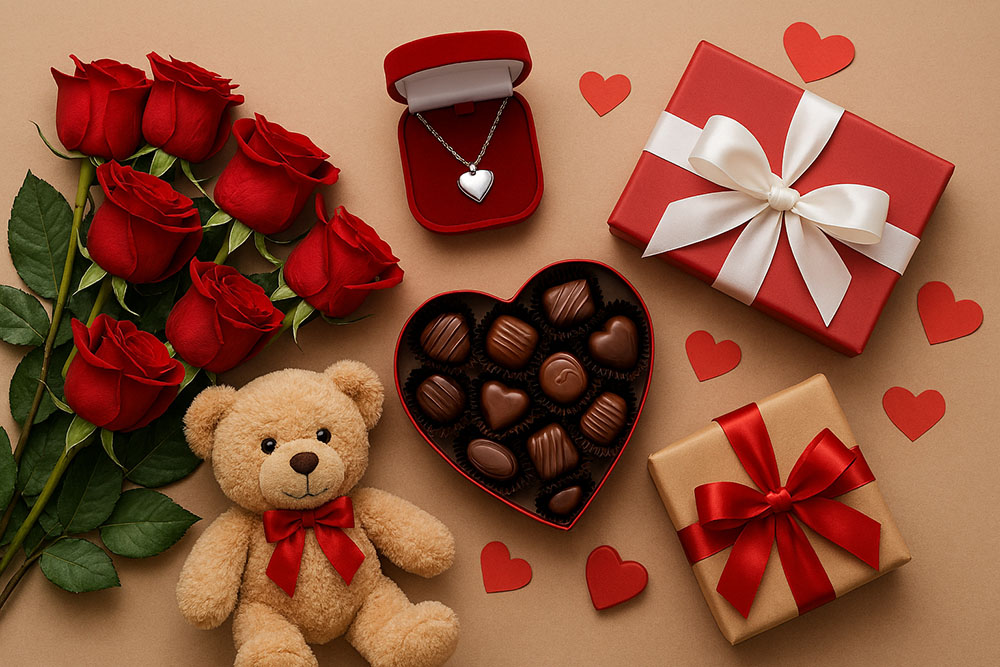
Valentine’s Day has a way of turning even the most rational shoppers into wide‑eyed romantics. The pressure to impress, surprise, or “go big or go home” can push people toward extravagant purchases that look luxurious on the surface but deliver very little real value. Every year, countless couples fall into the same traps: overpriced gifts, cliché items dressed up as “premium,” and purchases that feel thoughtful in theory but end up collecting dust by March.
If you want to express love without wasting money, it helps to know which gifts are more marketing than meaning. Below are some of the most common Valentine’s Day gift pitfalls — and why they’re rarely worth the splurge.
1. Overpriced Valentine’s Day Flowers: Beauty That Wilts in 48 Hours
Flowers are a classic, but Valentine’s Day pricing is notoriously inflated. A bouquet that costs $40 in January can easily jump to $120 the week of February 14. Florists know demand is high, supply is limited, and people are emotionally driven — the perfect recipe for price surges.
The problem isn’t the flowers themselves; it’s the value-to-lifespan ratio. You’re paying triple the price for something that will wilt in a few days. Many bouquets marketed as “luxury” are simply standard roses wrapped in fancier paper.
Unless your partner specifically loves receiving flowers on Valentine’s Day, this is one of the easiest traps to avoid. A thoughtful alternative is gifting flowers on a random day — when they’re cheaper and feel more spontaneous.
2. Giant Teddy Bears: Cute in Photos, Awkward in Real Life
Those oversized teddy bears that dominate Valentine’s Day ads look adorable online, but in reality, they’re:
- impossible to store
- difficult to clean
- too big to be practical
- often cheaply made despite high prices
Most people enjoy the idea of them more than the actual object. After the initial novelty wears off, the bear becomes a bulky roommate no one asked for. If your partner isn’t specifically obsessed with plush toys, this is a classic “money burned for a photo moment” purchase.
3. Jewelry That’s All Branding, No Substance
Jewelry is one of the most common Valentine’s Day splurges — and one of the easiest to get wrong. Many brands release “Valentine’s Day editions” that are:
- lower quality
- mass‑produced
- heavily marked up
- designed to look romantic but not timeless
A heart‑shaped pendant might feel sweet in the moment, but if it’s not your partner’s style, it becomes a drawer ornament. Worse, some people buy jewelry as a “safe” gift without considering personal taste, leading to expensive items that never get worn.
If you want jewelry to be meaningful, it should reflect your partner’s personality — not a seasonal marketing campaign.
4. Prix‑Fixe Valentine’s Day Dinners: Paying More for Less
Restaurants know February 14 is a gold mine. Many switch to prix‑fixe menus that cost significantly more than their usual offerings. The catch:
- limited choices
- rushed service
- crowded dining rooms
- inflated prices
- mediocre food compared to their regular menu
You’re essentially paying a premium for the date on the calendar, not the dining experience. A romantic dinner on February 13 or 15 often delivers better food, better service, and a better atmosphere — at a fraction of the cost.
5. Personalized Gifts That Aren’t Actually Personal
Customization sounds thoughtful, but not all personalized gifts are created equal. Many Valentine’s Day “custom” items are mass‑produced templates:
- generic engraved keychains
- low‑quality photo books
- novelty items with names printed on them
- cheap jewelry with initials
These gifts often feel more like a last‑minute attempt to seem thoughtful rather than something genuinely meaningful. Personalization only works when the item itself is something your partner would actually use or cherish.
6. Luxury Chocolates With Luxury Prices (But Not Luxury Taste)
Chocolate is a Valentine’s Day staple, but many “premium” boxes rely on fancy packaging rather than quality ingredients. You might pay $60–$100 for chocolates that taste no better than a $15 box from a reputable brand.
The biggest trap? Seasonal heart‑shaped boxes. They’re cute, but they often contain fewer chocolates at a higher price. Unless your partner is a true chocolate connoisseur, this is an easy place to overspend without adding real value.
7. Subscription Boxes That Sound Romantic but Become Clutter
Subscription gifts — wine clubs, flower deliveries, snack boxes, “date night kits” — have become trendy Valentine’s Day options. But many people underestimate the long‑term cost and commitment.
Common issues include:
- recurring charges you forget to cancel
- items that don’t match your partner’s taste
- clutter from unused products
- low‑value items compared to the subscription price
A subscription only makes sense if your partner genuinely wants it and will consistently use it. Otherwise, it’s a slow drip of wasted money.
8. Tech Gadgets That Impress You More Than Your Partner
Many people fall into the trap of buying tech because it feels impressive — smart speakers, fitness trackers, VR headsets, or niche gadgets. But if your partner isn’t into tech, these gifts can feel impersonal or confusing.
A gift should reflect the recipient, not the giver. If the gadget solves a problem your partner doesn’t have, it becomes an expensive dust collector.
So What Is Worth Giving?
Avoiding overpriced or impractical gifts doesn’t mean being cheap. It means being intentional. The best Valentine’s Day gifts usually fall into three categories:
- Experiences that create memories
- Meaningful gestures that show understanding
- Useful items your partner genuinely wants
Love isn’t measured by price tags — it’s measured by attention, effort, and sincerity.