
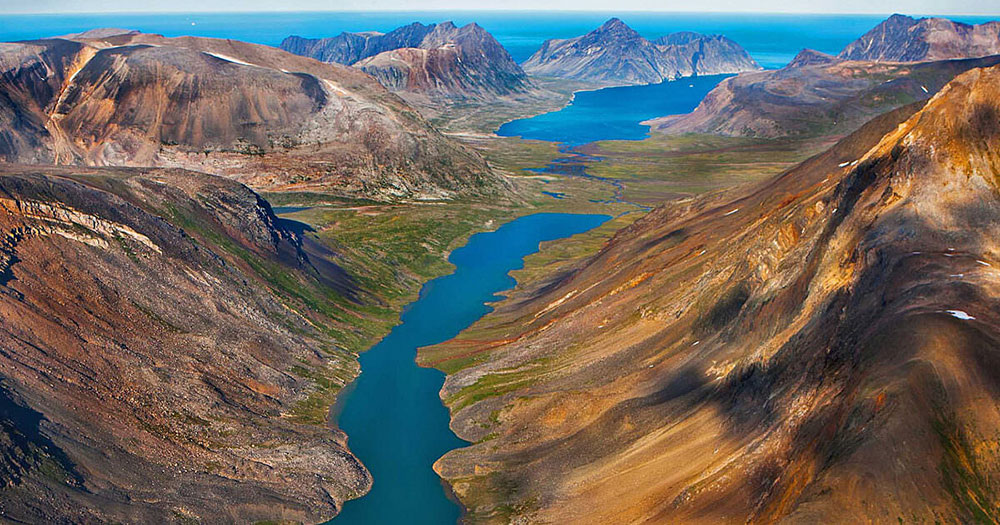
Torngat Mountains National Park, located in the remote northern reaches of Labrador, Canada, is one of the world’s last truly untouched wilderness destinations. With its dramatic fjords, jagged peaks, ancient geology, and deep Inuit cultural roots, the park offers an experience that is both visually breathtaking and spiritually profound. For travelers seeking adventure far from the beaten path, Torngat Mountains is not just a destination—it is a journey into the heart of the Arctic landscape and Inuit homeland.
This guide will walk you through the park’s unique features, cultural significance, travel logistics, estimated costs, and recommended time planning to help you prepare for an unforgettable expedition.
1. Understanding Torngat Mountains National Park
1.1 Location and Geography
Torngat Mountains National Park sits along the northern Labrador–Quebec border and spans over 9,700 square kilometers of rugged subarctic terrain. The region is characterized by:
- Saw‑tooth mountain ridges
- Glacier‑carved valleys
- Deep fjords plunging into icy waters
- Some of the oldest rocks on Earth
The park’s name comes from the Inuktitut word “Torngait,” meaning “place of spirits,” reflecting its deep cultural and spiritual importance to Inuit communities.
1.2 Cultural Significance
The Torngats are not just a natural wonder—they are an Inuit homeland. For centuries, Inuit families have traveled, hunted, and lived in these mountains. Visitors today are welcomed by Inuit guides who share stories, traditions, and knowledge passed down through generations. This cultural immersion is one of the most meaningful aspects of visiting the park.
2. Why Visit Torngat Mountains?
2.1 A Landscape Like No Other
Travelers often describe the Torngats as “otherworldly” due to their dramatic peaks, sweeping valleys, and pristine Arctic coastline. The park’s remoteness ensures that the environment remains untouched, offering a rare sense of solitude and raw natural beauty.
2.2 Wildlife Encounters
The region is home to:
- Polar bears
- Caribou
- Arctic foxes
- Migratory birds
Because polar bears are common, all visitors must travel with trained Inuit bear guards for safety.
2.3 Adventure and Exploration
Popular activities include:
- Multi‑day trekking
- Fjord cruises
- Wildlife photography
- Cultural programs with Inuit elders
- Glacier and coastal hikes
The park is ideal for travelers seeking both physical challenge and cultural depth.
3. When to Visit
Torngat Mountains National Park is only accessible during a short operational season from mid‑July to late August. During this period, temperatures are milder, sea ice recedes, and the Torngat Mountains Base Camp and Research Station is open to visitors.
Because of the limited season, planning well in advance is essential.
4. How to Get There
Reaching the Torngats is an adventure in itself. There are no roads leading into the park. Travelers typically follow this route:
- Fly to Goose Bay, Labrador
- Fly to Nain, the northernmost permanent settlement in Labrador
- Take a charter flight or boat to Saglek Bay
- Transfer to the Torngat Mountains Base Camp, which serves as the gateway to the park
Each leg of the journey requires coordination, and the Base Camp team assists visitors with logistics.
5. Time Planning for Your Trip
A well‑structured itinerary helps you make the most of this remote experience. Here’s a recommended plan:
5.1 Minimum Stay: 5–7 Days
This allows time for:
- Arrival and orientation
- A few guided hikes
- Cultural programs
- Wildlife viewing
- Weather‑related delays (common in Arctic regions)
5.2 Ideal Stay: 10–14 Days
A longer visit enables deeper exploration, such as:
- Multi‑day backcountry treks
- Extended fjord expeditions
- Visits to archaeological sites
- More immersive cultural exchanges
Because weather can shift rapidly, extra days provide flexibility.
6. Estimated Costs
Traveling to Torngat Mountains National Park is expensive due to its remoteness and the need for specialized logistics. While prices vary by season and operator, here is a general breakdown based on typical visitor experiences:
6.1 Transportation
- Flights to Goose Bay: varies by origin
- Goose Bay → Nain: $500–$800 USD (round trip estimate)
- Charter flight or boat to Saglek Bay: $800–$1,500 USD
- Transfers to Base Camp: often included in package pricing
6.2 Accommodation
Most visitors stay at the Torngat Mountains Base Camp, which provides:
- Heated tents or cabins
- Meals
- Safety support (including bear guards)
- Guided excursions
Typical package costs range from $4,000 to $7,000 USD per week, depending on accommodation type and activities.
6.3 Guided Activities
Guided hikes, cultural programs, and boat tours are usually included in Base Camp packages. Backcountry expeditions may require additional fees for guides and safety equipment.
6.4 Total Estimated Budget
For a 7‑day trip, expect to spend approximately:
$6,000–$10,000 USD per person, including transportation, accommodation, meals, and guided activities.
While costly, the experience is truly once‑in‑a‑lifetime.
7. What to Do in the Park
7.1 Hiking and Trekking
The park offers routes ranging from short guided walks to multi‑day treks through valleys and along fjords. The terrain is rugged, and weather can change quickly, so guided hikes are strongly recommended.
7.2 Wildlife Watching
Polar bears are frequently seen along the coast, while caribou roam the interior valleys. Birdwatchers will find numerous Arctic species during the summer months.
7.3 Cultural Experiences
Visitors can:
- Learn traditional Inuit hunting and survival techniques
- Hear stories from Inuit elders
- Participate in community gatherings and meals
These experiences offer insight into the deep connection between Inuit culture and the land.
7.4 Photography
The dramatic landscapes—towering peaks, icy waters, and Arctic light—make the Torngats a paradise for photographers.
8. Tips for a Successful Visit
- Dress in layers suitable for cold, wet, and windy conditions
- Bring waterproof hiking boots and thermal clothing
- Follow all safety instructions, especially regarding polar bears
- Respect Inuit cultural protocols
- Prepare for limited connectivity—this is a true wilderness experience
Is Torngat Mountains National Park Worth Visiting?
Torngat Mountains National Park is not a casual vacation spot—it is an expedition into one of the most remote and spiritually rich landscapes on Earth. The combination of Arctic wilderness, Inuit culture, and dramatic natural beauty creates an experience that stays with travelers long after they leave.
Which Experience Would You Choose at Torngat Mountains National Park?