
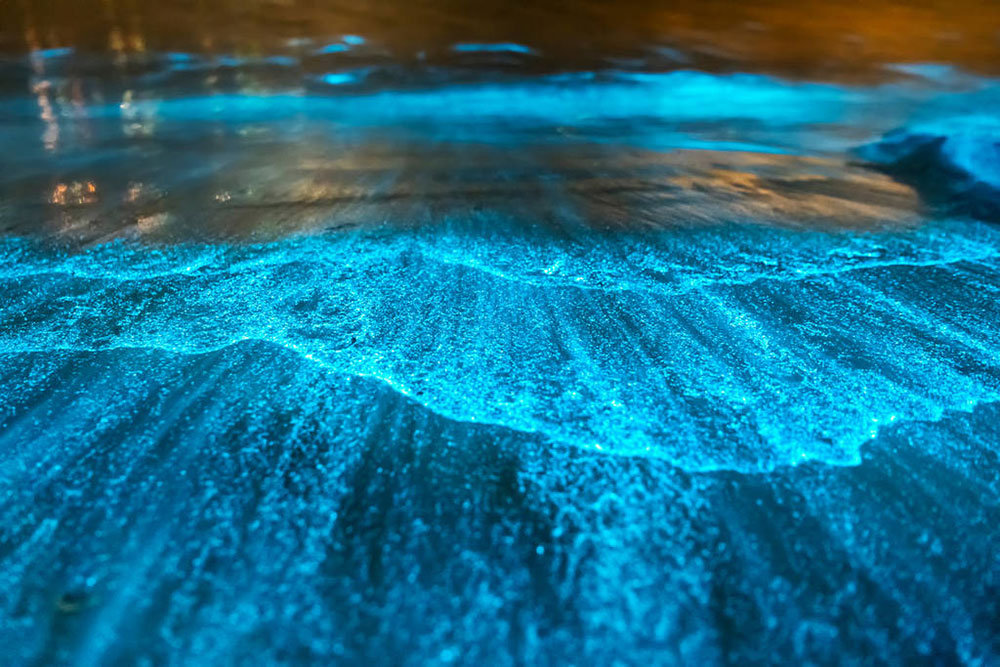
For most of North America, the past week has been defined by the brutal force of an Arctic Blast—an event that plunged cities from Chicago to Boston into dangerous subzero temperatures. Yet, while much of the continent was battling icy winds and frozen highways, something astonishing was happening hundreds of miles to the south. Along Florida’s west coast, satellites captured a surreal transformation: the Gulf of Mexico glowing in an almost electric shade of blue.
The images spread across X and Threads within hours, quickly becoming one of the most talked‑about natural phenomena of the season. At first glance, many users assumed the photos were digitally enhanced. The color was too vivid, too luminous, too otherworldly to be real. But scientists quickly confirmed that the spectacle was authentic—and extremely rare.
A Cold Front Meets a Warm Sea
Florida is no stranger to unusual weather, but this event stands apart because of the unique combination of atmospheric and oceanic conditions that produced it. As the Arctic Blast swept unusually far south, it triggered rapid cooling in the upper layers of the Gulf. This sudden temperature drop caused turbulence in the water column, stirring up carbonate-rich sediments that typically rest undisturbed on the seafloor.
When these fine particles rise toward the surface, they scatter sunlight in a way that intensifies blue wavelengths. The result is a brilliant, almost tropical glow—except this time, it wasn’t caused by warm, clear water but by a cold shock event.
Oceanographers describe it as a “carbonate bloom,” a phenomenon that is seldom visible at this scale. The last time something similar was documented in the region was decades ago, and even then, the color shift was far less dramatic.
Social Media Reacts: Awe, Confusion, and a Touch of Humor
As soon as the satellite images hit the internet, reactions poured in. Some users compared the scene to a CGI rendering from a sci‑fi film. Others joked that Florida had unlocked a new “ocean color mode,” or that the state was trying to compete with the Northern Lights dominating the skies farther north.
But beyond the humor, there was genuine fascination. In a week dominated by harsh weather warnings and power outage reports, the “Florida Blue” phenomenon offered a moment of wonder—an unexpected reminder of how dynamic and visually striking Earth’s systems can be.
Influencers, meteorologists, and nature photographers amplified the trend, each adding their own interpretations. The hashtag #BlueFlorida climbed steadily, and within 24 hours, the story was picked up by major news outlets across the U.S. and Canada.
Why This Matters Beyond the Aesthetic
While the images are undeniably beautiful, scientists emphasize that the event also highlights the sensitivity of coastal ecosystems to rapid temperature changes. The same cold shock that stirred up carbonate sediments can also stress marine life, particularly species accustomed to Florida’s typically warm waters.
Fish kills, for example, are a known consequence of sudden cold snaps in the region. Although early reports suggest that this particular event was not severe enough to cause widespread ecological damage, researchers are monitoring the area closely.
The phenomenon also raises questions about how climate variability—both natural and human‑driven—may increase the frequency of extreme contrasts like this one. When unusually cold air masses collide with warmer-than-average oceans, unexpected outcomes can emerge, some visually stunning, others potentially harmful.
A Moment of Beauty in a Week of Extremes
What makes the Florida “blue surge” so captivating is not just its rarity but its timing. At a moment when much of North America was focused on survival—scraping ice off windshields, coping with school closures, and navigating dangerous roads—these images offered a striking counterpoint. They reminded people that even in the midst of disruptive weather, nature can produce scenes of breathtaking elegance.
The contrast between the frozen Midwest and the glowing Gulf became a kind of symbolic snapshot of the continent’s climatic diversity. It also sparked conversations about how interconnected these systems are: a cold blast in the north can trigger a visual spectacle in the south.
After the Blue, the Story Continues
Scientists will continue analyzing satellite data and water samples to better understand the mechanics behind this event. Meanwhile, the images continue to circulate online, inspiring curiosity and admiration.
Whether this phenomenon becomes a once‑in‑a‑generation memory or a sign of more frequent anomalies to come remains to be seen. But for now, Florida’s electric‑blue coastline stands as one of the most mesmerizing natural surprises of the year—a reminder that even in extreme conditions, the planet still has the power to astonish.
What's Your Reaction to Florida's Stunning Electric-Blue Coastline?