
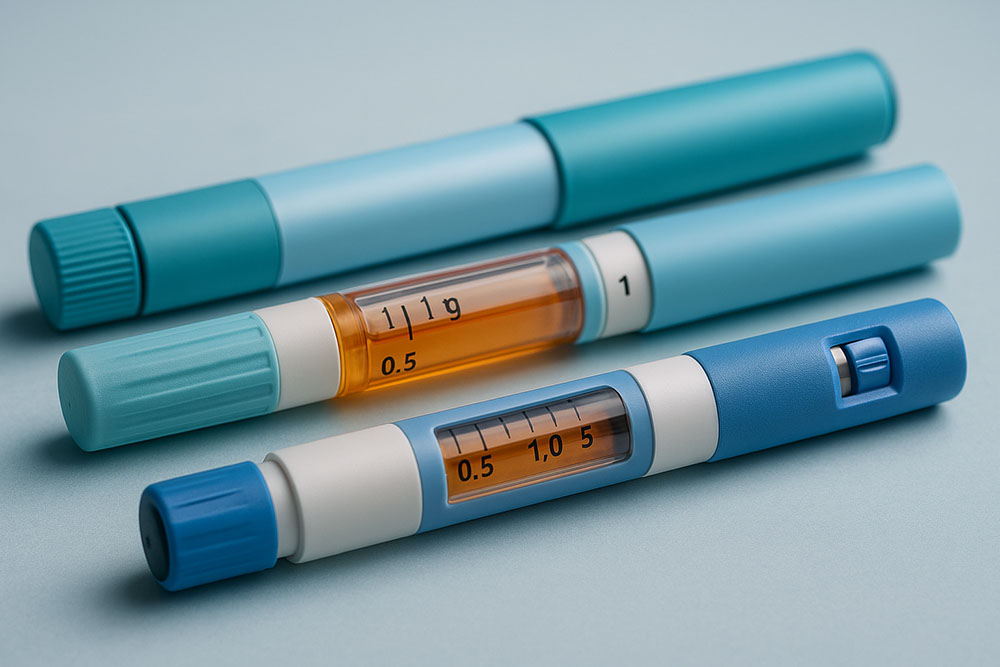
Over the past few years, few health trends in the United States have generated as much attention—or as much debate—as the rise of GLP‑1 medications. Originally developed to treat type 2 diabetes, drugs like Ozempic, Wegovy, Mounjaro, and Zepbound have rapidly evolved into cultural phenomena, economic disruptors, and catalysts for a new era of metabolic health. Their popularity reflects not just a desire for weight loss, but a deeper shift in how Americans understand chronic disease, body weight, and long‑term health.
This article explores why GLP‑1 drugs have become so influential, what makes them scientifically unique, how they are transforming industries far beyond healthcare, and what consumers should know about their cost and accessibility.
What Are GLP‑1 Drugs and Why Are They So Effective?
GLP‑1 medications mimic a naturally occurring hormone called glucagon‑like peptide‑1, which plays a key role in regulating appetite, blood sugar, and digestion. Unlike traditional weight‑loss methods that rely on willpower or restrictive dieting, GLP‑1 drugs work on the brain’s appetite centers and the body’s metabolic pathways.
Their effects include:
- Reduced appetite and cravings
- Slower digestion, leading to longer satiety
- Improved insulin sensitivity
- Lower blood sugar levels
- Significant weight loss over time
Clinical trials have shown that some GLP‑1 medications can help patients lose 10–20% of their body weight, a level previously achievable only through bariatric surgery. This is one reason they’ve been hailed as a breakthrough in obesity treatment.
Why GLP‑1 Drugs Became a National Trend
The rise of GLP‑1 medications in the U.S. is not just a medical story—it’s a cultural and economic one. Several forces converged to create the perfect environment for their explosive growth.
1. Obesity and metabolic disease are widespread
More than 40% of American adults live with obesity, and millions more struggle with diabetes or prediabetes. Traditional weight‑loss advice—diet, exercise, lifestyle changes—has not been enough for many people. GLP‑1 drugs offered something new: a treatment that works with biology, not against it.
2. Social media amplified the conversation
Celebrities, influencers, and everyday users began sharing dramatic before‑and‑after stories. Even though many posts were anecdotal, they created a powerful narrative: this works.
3. The medical community shifted its perspective
Obesity is increasingly recognized as a chronic disease rather than a personal failure. GLP‑1 drugs fit into this new framework, offering a long‑term medical approach rather than a short‑term diet.
4. Pharmaceutical innovation accelerated
Newer medications like tirzepatide (Mounjaro/Zepbound) target multiple metabolic pathways, producing even greater weight‑loss results. The pipeline continues to grow, with next‑generation drugs promising improved efficacy and fewer side effects.
The Broader Impact: How GLP‑1 Drugs Are Reshaping American Industries
The GLP‑1 boom is not confined to healthcare. Its ripple effects are being felt across multiple sectors.
Healthcare and Insurance
Demand for GLP‑1 drugs has skyrocketed, but insurance coverage remains inconsistent. Some employers now offer GLP‑1 benefits to attract talent, while others restrict coverage due to cost. This tension is shaping the future of employer‑sponsored healthcare.
Food and Beverage
Analysts have noted shifts in consumer behavior: reduced snacking, lower alcohol consumption, and increased interest in high‑protein foods. Major food companies are adjusting product strategies in anticipation of long‑term changes in eating habits.
Fitness and Wellness
Gyms and wellness brands are rethinking their messaging. Instead of focusing solely on weight loss, many are pivoting toward strength, longevity, and metabolic health—areas where GLP‑1 drugs do not replace lifestyle habits.
Pharmaceutical Competition
The GLP‑1 market is becoming one of the most competitive in the world. Companies are racing to develop oral versions, combination therapies, and next‑generation molecules that promise even greater results.
How Much Do GLP‑1 Drugs Cost in the U.S.?
Pricing is one of the most important—and controversial—parts of the GLP‑1 story.
Approximate U.S. retail prices (without insurance):
- Ozempic: around $900–$1,000 per month
- Wegovy: around $1,300–$1,400 per month
- Mounjaro: around $1,000–$1,100 per month
- Zepbound: around $1,000–$1,100 per month
These prices vary by pharmacy, state, and manufacturer discounts. Insurance coverage is inconsistent: some plans cover GLP‑1 drugs for diabetes but not for weight loss, while others require strict eligibility criteria.
Because of the high cost, many Americans pay out of pocket or seek alternatives such as compounded versions—though these come with safety and regulatory concerns.
The Future of GLP‑1: A New Era of Metabolic Health
The rise of GLP‑1 medications marks a turning point in how the U.S. approaches weight and chronic disease. These drugs are not a magic solution, but they represent a major scientific advancement with the potential to reduce long‑term health risks such as heart disease, diabetes, and kidney disease.
As research expands, GLP‑1 drugs may soon be used for:
- addiction treatment
- cardiovascular protection
- sleep apnea
- liver disease
- inflammation and arthritis
Their influence will continue to grow, reshaping healthcare, consumer behavior, and public policy.
The Lasting Impact of the GLP‑1 Era
The GLP‑1 revolution is more than a trend—it’s a transformation. By combining powerful metabolic effects with widespread cultural momentum, these medications have changed how Americans think about weight, health, and the future of medical treatment. While questions about cost, access, and long‑term use remain, one thing is clear: GLP‑1 drugs have ushered in a new chapter in the story of metabolic health, and their impact will be felt for years to come.