
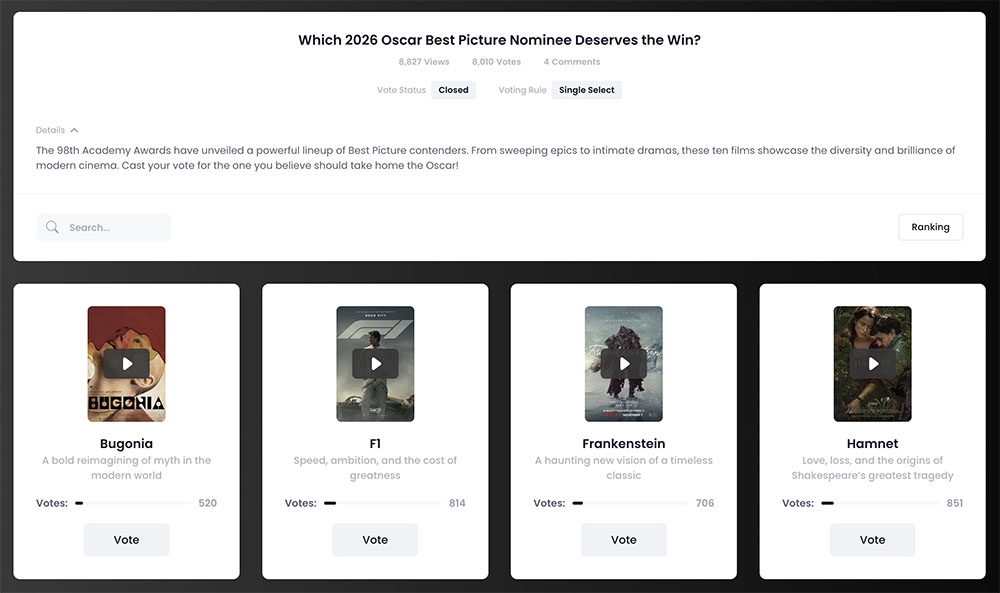
Online voting has become one of the most interesting digital behaviors to watch in Europe. It sits at the intersection of civic participation, organizational governance, and everyday decision‑making. While Europe is often described as cautious about digital transformation—especially in areas involving trust and security—the adoption of online voting tools has grown steadily across the continent. What makes Europe unique is not just how much people vote online, but who is doing it and why. The audience is far more diverse than many assume, and their motivations reveal a lot about Europe’s digital culture.
A Region Shaped by Digital Democracy and Cautious Innovation
Europe’s relationship with online voting is shaped by two forces that seem contradictory but actually work together: a strong commitment to democratic participation and a deep concern for privacy, transparency, and security. This combination means that online voting is rarely adopted recklessly, but when it is adopted, it tends to be done thoughtfully and with clear purpose.
Countries like Estonia have become global examples of nationwide digital voting, while others—France, Germany, Spain, the Netherlands—use online voting more selectively, often for local initiatives or organizational decision‑making. This creates a landscape where online voting is not universal, but it is increasingly normal.
The Four Core Audiences for Online Voting Tools
Across Europe, online voting tools are used in four major contexts. Each has its own culture, expectations, and level of digital maturity.
1. Citizen Participation Projects: The Largest and Fastest‑Growing Audience
Local governments across Europe have embraced online voting as a way to involve residents in decisions that affect their daily lives. This includes participatory budgeting, community planning, public consultations, and neighborhood improvement projects.
Cities in France, Spain, Portugal, Germany, and the Nordics regularly invite citizens to vote online on how public funds should be spent or which community projects should be prioritized. These initiatives often attract thousands of participants and are backed by strong institutional support.
Why this group is so large:
- Local governments want higher participation rates
- Online voting lowers barriers for busy or remote residents
- Younger citizens are more willing to engage digitally
- Transparency and auditability can be built into the process
This is the segment where online voting has the most visible social impact.
2. Companies and Professional Organizations: High‑Frequency, High‑Trust Users
European companies—especially those with distributed teams—use online voting tools for internal governance. This includes board elections, employee surveys, union votes, policy decisions, and shareholder resolutions.
What makes this audience unique is its need for:
- Anonymity
- Security
- Clear audit trails
- Efficient result reporting
These users are not looking for flashy interfaces; they want reliability and compliance. In this space, online voting tools function more like governance infrastructure than casual engagement tools.
This is also where a tool like MiniVote might appear naturally—quietly supporting internal decisions without drawing attention to itself.
3. Schools, Associations, and Community Groups: Highly Active but Smaller in Scale
Europe has a rich culture of clubs, associations, cooperatives, and community groups. These organizations often rely on volunteers and need simple, accessible ways to make decisions.
Typical use cases include:
- Student council elections
- Parent‑teacher association votes
- Sports club decisions
- Cultural or nonprofit organization governance
These groups value ease of use above all else. They often lack technical staff, so they gravitate toward tools that are intuitive, mobile‑friendly, and require no training.
While each vote may involve only dozens or hundreds of participants, the sheer number of organizations makes this a large and steady audience.
4. Social Media and Creator‑Driven Voting: High Engagement, Low Tool Adoption
Europeans participate in polls on Instagram, TikTok, YouTube, and X every day. These polls are wildly popular, but they rarely rely on independent voting tools. Instead, they use built‑in platform features.
This audience is enormous, but it is not the primary market for standalone voting tools. Their behavior does, however, reveal something important: Europeans enjoy expressing opinions online, especially when the process is quick and frictionless.
What Motivates Europeans to Vote Online?
Across all four audiences, several motivations consistently appear:
- Convenience: No need to attend meetings or travel
- Inclusivity: Remote, busy, or mobility‑limited participants can join
- Anonymity: Especially important in workplaces and political contexts
- Efficiency: Faster counting, fewer errors, clearer results
- Transparency: Digital logs and audit trails build trust
- Engagement: Younger generations prefer digital participation
These motivations align with broader European values around accessibility, fairness, and civic responsibility.
What Holds Europe Back?
Despite growing adoption, Europe remains cautious. The main concerns include:
- Cybersecurity risks
- Fear of manipulation or fraud
- Legal and regulatory complexity
- Cultural preference for in‑person voting in formal elections
- Digital literacy gaps in older populations
These concerns do not stop online voting from spreading, but they shape how and where it is used.
Where Online Voting in Europe Is Heading
Several trends suggest that online voting will continue to expand:
- More cities adopting digital participation platforms
- Companies moving toward hybrid or remote governance
- Associations digitizing their operations post‑pandemic
- Increased trust in secure, privacy‑focused tools
- Growing demand for transparent, auditable voting processes
Europe is unlikely to shift national elections fully online anytime soon, but everyday decision‑making—from local budgets to workplace policies—will increasingly rely on digital voting.
A Region Defined by Diversity and Opportunity
Europe’s online voting audience is not a single demographic. It is a mosaic of citizens, employees, students, volunteers, and digital communities. What unites them is a desire for participation that is easier, fairer, and more accessible.
Online voting tools in Europe succeed when they respect this diversity—when they are secure enough for institutions, simple enough for community groups, and flexible enough for modern workplaces.
As digital participation becomes more embedded in European life, the question is no longer whether people will vote online, but how these tools can continue to support a more inclusive and engaged society.