
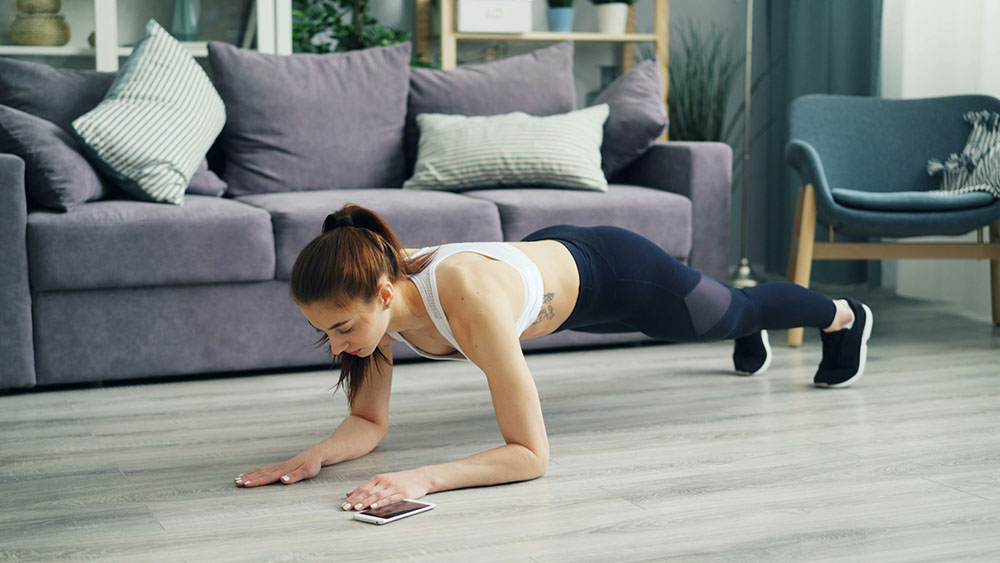
The plank has become one of the most widely recommended core exercises in the world, and for good reason. It requires no equipment, takes little space, and engages multiple muscle groups at once. Yet many people still wonder: How long should I hold a plank? Does age matter? What muscles does it actually train? And how can I increase my plank time safely and effectively? This article breaks down everything you need to know in a clear, practical way.
How Long Should You Hold a Plank?
There is no universal “correct” plank duration. Instead, plank time varies based on fitness level, body composition, and training habits. Still, fitness professionals often use the following ranges as general benchmarks:
- Beginners: 20–40 seconds
- Average adults with some exercise habits: 1–2 minutes
- Well‑trained individuals: 2–5 minutes
- Elite core strength athletes: 5 minutes or more
These numbers are not strict rules. A perfectly aligned 40‑second plank is far more valuable than a sloppy 3‑minute plank. Quality always outweighs duration.
Do Different Age Groups Have Different Plank Times?
Age does influence muscle endurance, but not as dramatically as many people assume. Lifestyle and training habits matter far more. Here’s the general trend:
- Ages 20–40: This is typically the strongest period for core stability. Holding a plank for 1–2 minutes is common for people who exercise regularly.
- Ages 40–60: Muscle mass naturally declines, but those who stay active can still maintain excellent core endurance. Many people in this range can hold a plank for 1 minute or more with consistent training.
- Ages 60 and above: A typical range is 30 seconds to 1 minute. However, older adults who train consistently often exceed these numbers.
The key takeaway is simple: age sets the background, but training determines the outcome.
What Muscles Does the Plank Train?
The plank is often described as a “core exercise,” but its benefits extend far beyond the abs. It strengthens a wide network of stabilizing muscles, including:
- Abdominal muscles (rectus abdominis, transverse abdominis)
- Obliques (important for rotation and side stability)
- Lower back muscles (erector spinae)
- Glutes (crucial for hip stability)
- Shoulders and upper back (deltoids, trapezius)
- Leg muscles (quadriceps and hamstrings help maintain alignment)
Because it engages so many muscles at once, the plank improves posture, reduces lower‑back strain, and enhances overall functional strength.
How to Improve Your Plank Time
Increasing your plank duration is less about pushing yourself to exhaustion and more about building consistent, progressive strength. Here are effective strategies:
1. Prioritize Proper Form
A correct plank should include:
- A straight line from head to heels
- Elbows under shoulders
- Core and glutes fully engaged
- No sagging hips or raised butt
Good form ensures you’re training the right muscles and avoiding injury.
2. Use Interval Training
Instead of holding one long plank, break it into manageable sets:
- 30 seconds hold + 10 seconds rest × 5 rounds
- 45 seconds hold + 15 seconds rest × 4 rounds
This method builds endurance faster than attempting a single long hold.
3. Add Dynamic Core Exercises
Strengthening supporting muscles improves plank performance. Useful exercises include:
- Dead bug
- Bird‑dog
- Glute bridge
- Hollow hold
- Side plank
These movements train stability from multiple angles.
4. Increase Time Gradually
A simple progression plan:
- Week 1: 30–40 seconds
- Week 2: 45–60 seconds
- Week 3: 60–90 seconds
- Week 4: 90–120 seconds
Small, steady increases are more sustainable than sudden jumps.
5. Train 3–4 Times Per Week
Consistency is the real secret. Even short sessions produce noticeable improvements within a few weeks.
Why Planks Are Worth Doing
Beyond core strength, planks offer several long‑term benefits:
- Better posture by strengthening stabilizing muscles
- Reduced lower‑back pain through improved spinal support
- Enhanced athletic performance in running, lifting, and sports
- Improved balance and coordination
- Greater overall functional strength for daily activities
Because planks are low‑impact and adaptable, they are suitable for nearly all ages and fitness levels.
Moving Toward a Stronger Core
The plank is simple, but its impact is powerful. Most adults can aim for 1–2 minutes as a solid benchmark, while beginners can start with 20–40 seconds and progress gradually. Age influences performance, but training habits matter far more. With proper form, consistent practice, and smart progression, anyone can significantly improve their plank time.
If you want, I can also help you create a personalized plank‑training plan based on your current level and goals.