
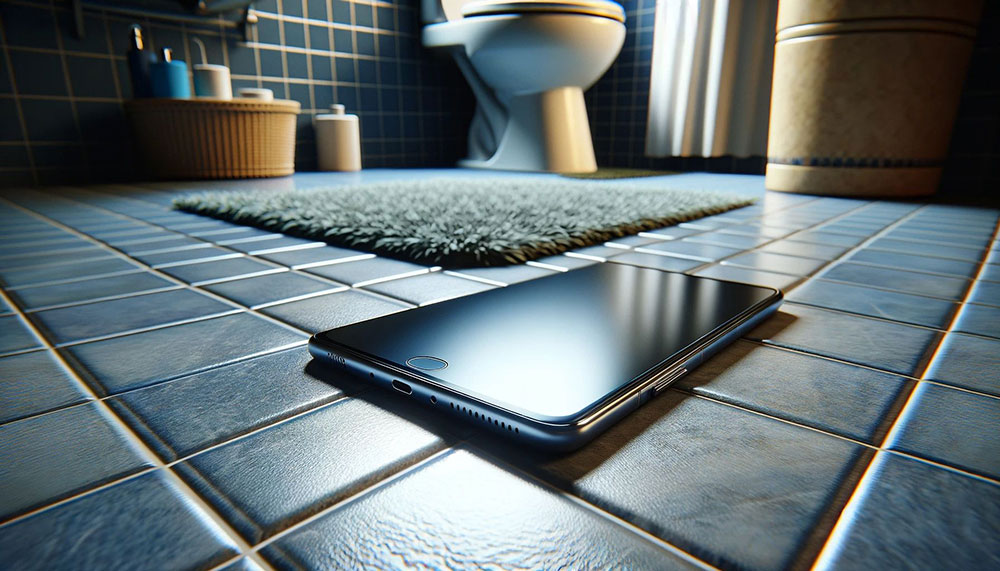
In recent years, using a smartphone while sitting on the toilet has shifted from a quirky personal habit to a widespread cultural norm. This phenomenon is especially common in Western countries, where high smartphone penetration, fast‑paced lifestyles, and a desire for constant connectivity have reshaped even the most private moments of daily life. What was once a simple biological break has evolved into a micro‑session of entertainment, communication, and digital escape. Understanding why this habit is so prevalent—and what consequences it brings—is essential in a world where technology increasingly blends into every corner of human behavior.
The Prevalence of Toilet Phone Use in Western Societies
Multiple surveys across the United States and Europe show that a majority of adults regularly use their phones in the bathroom. In the U.S., estimates often range from 70% to 80%, while in the U.K. and other European countries, the numbers are similarly high. Younger adults, especially those between 18 and 35, report usage rates close to 90%, making the behavior nearly universal among digital natives.
Several cultural and technological factors contribute to this trend. First, Western societies have extremely high smartphone adoption rates, making the device a constant companion. Second, the bathroom is often viewed as a rare moment of solitude—one of the few places where people can momentarily disconnect from social expectations while paradoxically staying connected through their screens. Third, the rise of fragmented digital consumption—short videos, quick news updates, and instant messaging—fits perfectly into the brief time people spend on the toilet.
Why People Turn to Their Phones in the Bathroom
The motivations behind this habit are surprisingly diverse:
- A desire for distraction: Many people use the bathroom as a mental break from work, stress, or social interaction.
- Efficiency and multitasking: Some feel they are “saving time” by catching up on messages or reading news.
- Entertainment: Social media platforms like TikTok, Instagram, and Facebook offer endless content loops ideal for short bursts of attention.
- Privacy: The bathroom is one of the few places where interruptions are socially unacceptable, making it a safe space for uninterrupted scrolling.
- Routine and habit: For many, reaching for the phone has become automatic, even unconscious.
These motivations reflect broader societal patterns: rising stress levels, constant digital engagement, and the blurring of boundaries between personal time and online life.
Consequences of This Growing Habit
While the behavior may seem harmless, it carries several consequences—some psychological, some social, and some surprisingly physical.
1. Extended Bathroom Time
One of the most immediate effects is that people spend significantly more time on the toilet than necessary. What should be a quick visit can easily stretch into 10–20 minutes or more. This extended sitting time can lead to physical strain, especially on the lower body.
2. Reduced Mindfulness
Constant digital stimulation reduces opportunities for mental rest. The bathroom, once a moment of quiet, has become another node in the endless stream of notifications and content. This contributes to a broader cultural issue: the inability to tolerate boredom or silence.
3. Increased Stress and Overstimulation
Ironically, the very tool people use to relax can increase stress. Reading work emails, seeing negative news, or encountering social media drama while on the toilet can elevate anxiety levels instead of reducing them.
4. Social and Behavioral Conditioning
Habitual phone use in the bathroom reinforces the idea that every idle moment must be filled with digital activity. This can worsen smartphone dependency and make it harder for individuals to disconnect, even briefly.
Health Impacts: More Serious Than Many Expect
The health implications of using a phone on the toilet are often underestimated, but they are real and well‑documented.
1. Increased Risk of Hemorrhoids
Sitting for extended periods—especially in a slightly forward‑leaning posture—puts pressure on the veins around the rectum. Over time, this can contribute to hemorrhoids or worsen existing ones. Doctors have noted a rise in such cases, with prolonged toilet sitting as a contributing factor.
2. Bacterial Contamination
Bathrooms, especially public ones, are environments where bacteria thrive. When people touch their phones during or after using the toilet, microorganisms can transfer to the device. Studies have found traces of E. coli, fecal bacteria, and other pathogens on phones used in bathrooms. Because people rarely disinfect their devices, these bacteria can linger for days.
3. Posture‑Related Issues
Leaning forward while scrolling can strain the neck and lower back. Over time, this contributes to discomfort and poor posture habits.
4. Sleep and Attention Problems
Using the phone in every possible moment—including the bathroom—reinforces compulsive checking behavior. This can worsen sleep quality, reduce attention span, and increase overall digital fatigue.
How to Improve or Break the Habit
While the habit is widespread, it is not impossible to change. Several strategies can help reduce or eliminate toilet phone use:
- Set physical boundaries: Leave the phone outside the bathroom or place it on a shelf before entering.
- Use the bathroom as a mindfulness break: Treat it as a moment to breathe, relax, and reset.
- Bring alternative reading material: A book or magazine provides entertainment without digital overstimulation.
- Reduce notification pressure: Turning off non‑essential alerts can reduce the urge to check the phone constantly.
- Practice intentional digital habits: Schedule specific times for social media or news rather than filling every idle moment with scrolling.
- Improve bathroom efficiency: Remind yourself that the bathroom is not a lounge; it’s a functional space.
These small changes can significantly improve both physical health and digital well‑being.
Disconnecting in the One Place We Should
Using smartphones on the toilet has become a defining habit of modern digital life, especially in Western societies. While the behavior may seem harmless, it carries a range of consequences—from reduced mindfulness to increased health risks. Recognizing the reasons behind this habit and taking steps to manage it can lead to healthier routines and a more balanced relationship with technology. In a world where constant connectivity is the norm, even small moments of disconnection—like a phone‑free bathroom break—can make a meaningful difference.