
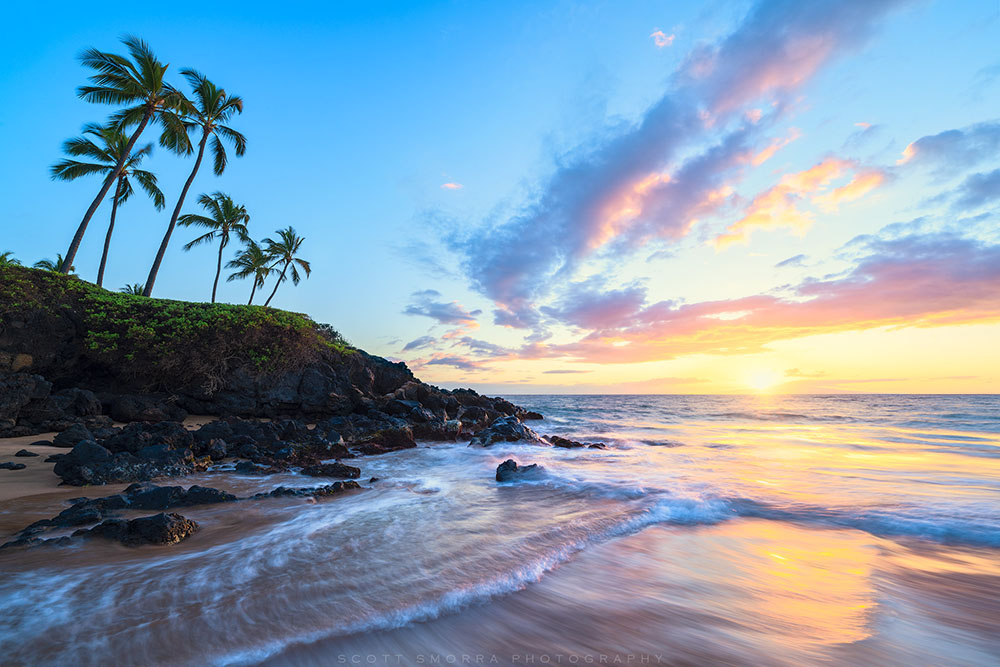
As someone who has lived in Hawaiʻi for many years, I’ve learned that the islands reveal themselves slowly. Visitors often come for the beaches and sunsets, but what stays with them is something deeper—the rhythm of daily life, the cultural layers, the landscapes that shift from rainforest to lava fields within an hour. This guide is written from the perspective of a long‑time resident, offering a more grounded and intimate way to experience Hawaiʻi. Instead of overwhelming you with endless lists, I’ll share the few places and experiences that truly matter, and explain why they stand out.
The Best Island to Visit
Oʻahu — The Island That Holds All of Hawaiʻi in One Place
If you can only visit one island, Oʻahu is the most complete introduction to Hawaiʻi. As a local, I often describe it as “Hawaiʻi in miniature”—a place where you can experience urban culture, ancient history, world‑class surfing, and quiet mountain trails all in a single day.
What makes Oʻahu special isn’t just its variety, but the way these worlds coexist. You can spend your morning hiking to a ridge overlooking the Koʻolau mountains, have lunch at a family‑run plate lunch shop, and end your day watching surfers at Waikīkī, where the sport was once revived by Duke Kahanamoku. Oʻahu is also where Hawaiian culture is most accessible: from ʻIolani Palace—the only royal palace on U.S. soil—to the Bishop Museum’s deep cultural archives. For first‑time visitors, no other island offers such a balanced and meaningful introduction.
If you want to compare islands more deeply,你可以点这里:Hawaii island comparison
Where to Stay
Halekulani (Oʻahu) — A Classic That Locals Quietly Respect
Locals don’t usually stay in hotels, but we do talk about them—especially the ones that have earned our respect over decades. Halekulani is one of those places. It’s not flashy or trendy; instead, it represents an older, quieter kind of luxury that Hawaiʻi does exceptionally well.
What sets Halekulani apart is its sense of calm. Even though it sits in Waikīkī, it feels removed from the noise. The staff practice a style of hospitality that’s almost invisible—you feel cared for without ever being interrupted. Many local families celebrate anniversaries or milestones at its restaurant, House Without a Key, where live Hawaiian music plays under a century‑old kiawe tree. Staying here gives you a glimpse of the Hawaiʻi that locals cherish: elegant, understated, and deeply rooted in tradition.
如果你想要更多酒店比较,可以点这里:hotel comparison
The Best Activity
Snorkeling at Hanauma Bay — A Window Into Hawaiʻi’s Living Ocean
Hanauma Bay may be famous, but its popularity doesn’t diminish its value. As someone who grew up swimming in these waters, I can tell you that this bay is one of the most accessible ways to understand Hawaiʻi’s marine life. The curved volcanic crater protects the reef from strong currents, creating a calm, shallow environment where even beginners can see schools of butterflyfish, parrotfish, and the occasional sea turtle.
What makes Hanauma Bay meaningful isn’t just the beauty—it’s the conservation story. The bay was once overused, but years of restoration and strict visitor limits have allowed the reef to recover. When you snorkel here, you’re not just sightseeing; you’re witnessing a rare example of successful environmental stewardship. It’s a reminder that Hawaiʻi’s natural beauty survives only when people treat it with respect.
更多活动灵感可以点这里:Hawaii activities
Where to Eat
Helena’s Hawaiian Food — The Taste of Home for Many Locals
If you want to understand Hawaiʻi, start with its food. And if you want to understand its food, go to Helena’s. This small, unpretentious restaurant has been serving traditional Hawaiian dishes since 1946, and many locals—including myself—grew up eating here.
What makes Helena’s special is its authenticity. The dishes aren’t modernized or altered for tourists; they taste the way they’re supposed to taste. The pipikaula short ribs are smoky and tender, the poi is fresh and slightly tangy, and the kalua pig tastes like it came straight from an imu (underground oven). Eating here feels like being welcomed into a Hawaiian family’s kitchen. It’s not fancy, but it’s real—and that’s what matters.
想要更多餐厅推荐可以点这里:Hawaii restaurant guide
Where to Shop
KCC Farmers’ Market — The Heartbeat of Local Life
If you want to bring home something meaningful—not mass‑produced souvenirs—go to the KCC Farmers’ Market on Saturday mornings. This is where local farmers, beekeepers, coffee growers, and artisans gather to sell what they make with their own hands.
As a resident, this market is part of my weekly routine. I come for the fresh papayas, the macadamia nut honey, and the Kona coffee beans roasted the night before. Visitors love it because it feels authentic, but locals love it because it is authentic. You’ll meet the people who grow the food, hear their stories, and taste flavors you won’t find in any store.
Best Time to Visit
Late Spring and Early Fall — When the Islands Breathe
The best time to visit Hawaiʻi is when the islands feel unhurried. From April to June and September to October, the weather is warm, the ocean is calm, and the crowds thin out. These are the months when locals reclaim the beaches, when the sunsets linger a little longer, and when the islands feel most like themselves.
如果你想根据你的假期选择最佳时间,可以点这里:best time to visit
How to Get Around
Oʻahu: Mix of Public Transit and Car
Locals rarely drive into Waikīkī unless necessary—parking is expensive and traffic is slow. Instead, we use TheBus, Biki bikes, or simply walk. But if you want to explore the North Shore or the windward side, renting a car is essential.
Neighbor Islands: A Car Is Freedom
On Maui, Kauaʻi, and the Big Island, a car isn’t just convenient—it’s the only way to experience the islands fully. These islands are built around open roads, scenic drives, and remote beaches. Renting a car gives you the freedom to explore at your own pace.
What the Islands Teach You If You Listen
Hawaiʻi is not a place you “check off” a list—it’s a place you build a relationship with. If you approach the islands with curiosity and respect, you’ll discover a Hawaiʻi that goes far beyond the postcards: a living culture, a fragile ecosystem, and a community that values connection above all.