
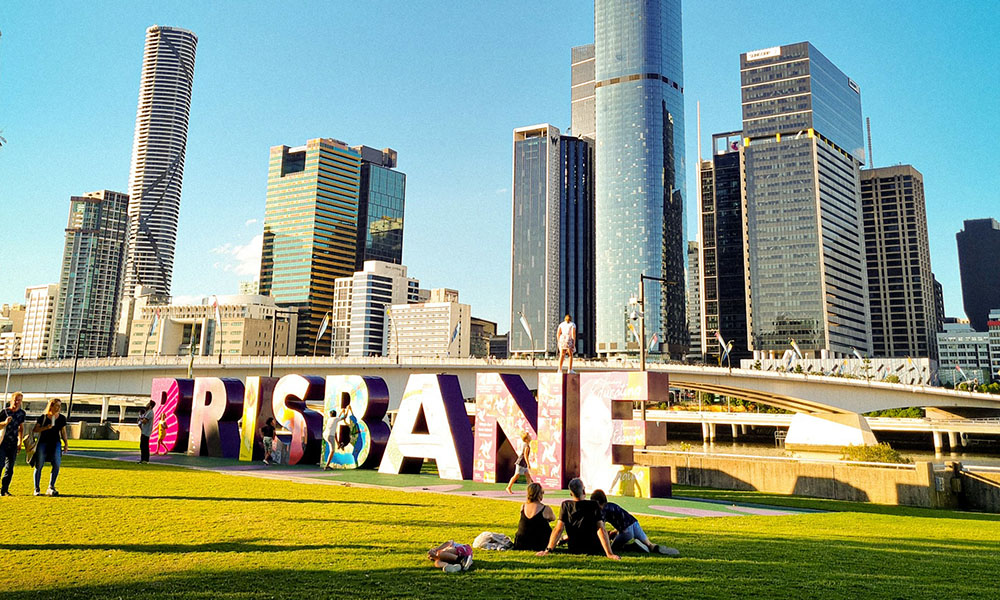
Brisbane, the capital of Queensland, has always carried a quiet confidence — a warm river city with a relaxed rhythm and a lifestyle that feels both grounded and full of possibility. In recent global evaluations of family‑friendly cities, Brisbane didn’t just perform well; it rose straight to the top, earning recognition as one of the best places in the world to raise a family. This achievement isn’t the result of a single standout feature. Instead, it reflects a rare combination of safety, affordability, education quality, natural environment, and a culture that genuinely supports family life.
What makes Brisbane remarkable is its balance. It offers the opportunities of a major city without the stress and congestion that often come with urban living. It feels big enough to grow in, yet small enough to feel personal — a balance that many global cities have lost.
1. A Safe, Stable Environment That Gives Families Peace of Mind
For any family, safety is the foundation of a good life, and Brisbane excels in this area. Crime rates remain low compared with other cities of similar size, and neighborhoods are designed with families in mind. Streets are wide and well‑lit, public spaces are thoughtfully maintained, and parks are woven naturally into residential areas.
But the real sense of security comes from the city’s culture. Brisbane’s communities are friendly, steady, and connected. Children walk to school, play in local parks, and join weekend sports clubs without parents feeling the need to hover anxiously. The city’s layout and social atmosphere work together to create a place where families can simply live — without constant worry.
2. A Strong, Well‑Rounded Education System
Brisbane’s education system is one of its greatest strengths. The city offers a wide range of public, private, and independent schools, many of which are recognized for academic excellence and well‑rounded development programs. Classrooms emphasize not only core subjects but also creativity, critical thinking, and STEM skills.
The city’s multicultural environment also enriches the learning experience. Children grow up alongside peers from diverse backgrounds, gaining a broader worldview from an early age. And with world‑class universities such as the University of Queensland located in the city, Brisbane offers a complete educational pathway from early childhood to adulthood.
3. A Cost of Living That Supports Real Family Life
In many global cities, families feel squeezed by soaring housing prices and rising childcare costs. Brisbane stands out because it remains comparatively affordable without sacrificing quality of life. Housing is more accessible than in Sydney or Melbourne, and everyday expenses — from groceries to transportation — stay within a reasonable range.
This affordability allows families to enjoy a comfortable lifestyle without constant financial pressure. Parents can spend more time with their children instead of working excessive hours just to keep up with living costs. It’s a city where “living well” doesn’t require extraordinary income.
4. A City Where Nature Is Part of Everyday Life
Brisbane’s natural environment is one of its most defining features. The city is filled with parks, riverside paths, and open spaces that encourage families to spend time outdoors. South Bank Parklands, with its playgrounds, swimming areas, and cultural venues, is a favorite weekend destination. The Brisbane River winds through the city, offering scenic walking and cycling routes that families use daily.
Within a short drive, you can reach beaches, rainforests, and wildlife reserves. And thanks to the city’s warm subtropical climate, outdoor activities are possible year‑round. For children, this means more time outside, more physical activity, and more opportunities to explore the natural world — all of which contribute to healthier development.
5. Reliable Healthcare and Strong Family Support
Brisbane’s healthcare system is modern, accessible, and designed to support families. Public hospitals are well‑equipped, and specialized children’s facilities ensure that young patients receive high‑quality care. Maternal health services, community clinics, and preventive health programs further strengthen the city’s support network.
Australia’s Medicare system also reduces the financial burden on families, making essential healthcare both affordable and dependable. For parents, this means peace of mind — knowing that help is available when they need it.
6. A Culture That Truly Values Family Life
Beyond infrastructure and policy, Brisbane’s culture plays a major role in its appeal. The city is known for its friendliness, inclusiveness, and relaxed pace. Work‑life balance is taken seriously, and flexible working arrangements are increasingly common.
Weekends are filled with markets, outdoor concerts, community festivals, and family‑oriented events. It’s a place where parents don’t just raise children — they build memories with them. Brisbane’s social atmosphere encourages connection, belonging, and a slower, more intentional way of living.
More Than Rankings: The Real Heart of Brisbane
Brisbane’s rise to the top of global family‑friendly city rankings isn’t just about metrics. It’s about the lived experience of the families who call it home — the quiet morning school runs, the afternoons spent by the river, the laughter of children in neighborhood parks, the sense of ease that comes from knowing your community is safe and supportive.
In a world where many cities are becoming more crowded, more expensive, and more stressful, Brisbane offers something increasingly rare: a place where families can grow, breathe, and thrive. Its success is not a marketing slogan but the result of thoughtful planning, strong values, and a culture that puts people first.
And that, more than any ranking, is what makes Brisbane truly exceptional.
Is Brisbane Truly the World’s Best City for Raising a Family?