
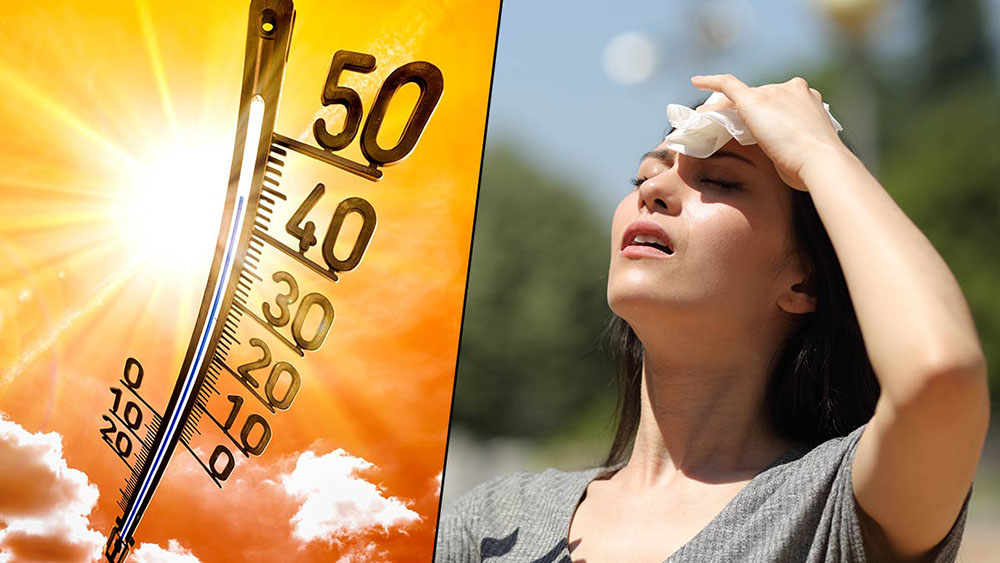
The summer of 2026 has brought one of the most talked-about weather events across North America: an intense heat dome that has pushed temperatures to dangerous levels throughout the United States and parts of Canada. From record-breaking heat warnings to worsening wildfire smoke and strained power grids, millions of people are experiencing the growing impacts of extreme weather.
Meteorologists have described this year's heat as one of the most persistent and widespread in recent history. Cities that are accustomed to warm summers are seeing temperatures exceed 40°C (104°F), while regions that normally enjoy mild weather are also experiencing unusual heat. The event has sparked widespread discussions about climate change, public health, infrastructure resilience, and how communities can adapt to increasingly frequent heat waves.
What Is a Heat Dome?
A heat dome is a weather phenomenon that occurs when a large area of high atmospheric pressure traps hot air near the Earth's surface. Instead of allowing warm air to rise and cooler air to replace it, the high-pressure system acts like the lid of a pot, causing temperatures to climb day after day.
The longer the heat dome remains in place, the hotter the ground becomes. Roads, buildings, and concrete surfaces absorb and retain heat, especially in large metropolitan areas. This creates what scientists call the urban heat island effect, making cities significantly warmer than nearby rural areas.
Unlike a single hot afternoon, a heat dome often lasts for several days or even weeks, making it particularly dangerous because nighttime temperatures remain unusually high, giving people little opportunity to recover from the heat.
Why Is North America Experiencing Such Extreme Heat?
Several factors have contributed to the severe temperatures seen during the summer of 2026.
First, persistent high-pressure systems have remained stationary over large portions of North America. Normally, weather patterns shift every few days, bringing cooler air or rain. This year, however, the atmosphere has remained relatively stable, allowing heat to build continuously.
Second, climate scientists point to long-term global warming as an important factor. While heat waves have always occurred naturally, rising global temperatures make extreme heat events more frequent, more intense, and longer-lasting.
According to climate research, every additional degree of global warming increases the likelihood of record-breaking heat events. This means that weather conditions once considered rare may become increasingly common over the coming decades.
Record Temperatures Across the United States
Many states have issued excessive heat warnings as daytime temperatures climbed above 40°C (104°F). In some locations, the combination of heat and humidity made outdoor conditions even more dangerous, with the heat index reaching levels that pose serious health risks.
Southern states such as Texas and Arizona have once again faced extreme temperatures, but unusually high heat has also expanded into parts of the Midwest and Northeast. Cities with aging infrastructure have struggled to keep residents cool as electricity demand surged due to widespread air conditioning use.
Public officials have encouraged residents to avoid outdoor activities during peak afternoon hours, stay hydrated, and regularly check on elderly neighbors and vulnerable family members.
Schools, construction companies, and outdoor event organizers have also adjusted schedules to reduce heat exposure, highlighting how extreme weather increasingly affects daily life.
Canada Faces Heat and Wildfire Smoke
The effects of the heat dome have not been limited to the United States.
Several Canadian provinces have also experienced unusually high temperatures, while ongoing wildfires have generated massive amounts of smoke that spread across large regions. In some communities, air quality reached unhealthy levels, prompting health advisories and recommendations to remain indoors.
Wildfires have become an increasingly serious concern in Canada over the past several years. Hotter temperatures, prolonged drought, and dry vegetation create ideal conditions for fires to ignite and spread rapidly.
Smoke from these fires does not remain localized. Strong winds can carry fine particles hundreds or even thousands of kilometers, affecting communities far from the original fires.
Poor air quality poses additional health risks for children, older adults, and people with respiratory conditions such as asthma or chronic obstructive pulmonary disease (COPD).
The Health Risks of Extreme Heat
Extreme heat is often called a "silent killer" because it can be deadly without dramatic visual destruction.
Heat exhaustion and heat stroke are among the most immediate dangers. Symptoms may include dizziness, heavy sweating, confusion, nausea, rapid heartbeat, and dehydration. Without prompt treatment, heat stroke can become life-threatening.
High temperatures also place additional stress on the cardiovascular system, increasing the risk of heart attacks and other medical emergencies, particularly among older adults.
Hospitals across affected regions often see increased emergency room visits during prolonged heat waves, while emergency responders receive more calls related to dehydration and heat-related illnesses.
Experts recommend several simple but effective safety measures:
- Drink plenty of water, even before feeling thirsty.
- Avoid strenuous outdoor activities during the hottest hours.
- Wear lightweight, light-colored clothing.
- Stay in air-conditioned buildings whenever possible.
- Never leave children or pets inside parked vehicles.
These precautions may seem basic, but they can save lives during periods of extreme heat.
Economic and Environmental Impacts
The economic consequences of prolonged heat waves extend far beyond healthcare.
Electricity consumption rises sharply as millions of households rely on air conditioning. This places tremendous pressure on electrical grids and increases the risk of power outages during periods of peak demand.
Agriculture also suffers. High temperatures reduce crop yields, increase irrigation needs, and place livestock under significant stress. Farmers may face lower production and higher operating costs.
Transportation infrastructure is also vulnerable. Asphalt roads can soften, railway tracks may expand, and airport operations occasionally experience delays due to extreme heat affecting aircraft performance.
Businesses that depend on outdoor labor, including construction, landscaping, and delivery services, often experience reduced productivity or schedule changes to protect workers.
Is This the Future of Summer?
One of the biggest questions being asked across North America is whether summers like 2026 will become the new normal.
Most climate scientists believe that while individual weather events cannot be attributed solely to climate change, the overall trend is clear. Rising global temperatures are increasing the frequency, duration, and intensity of heat waves around the world.
Many cities are already investing in adaptation strategies, including planting more trees, expanding green spaces, installing reflective roofing materials, improving emergency cooling centers, and modernizing electrical infrastructure.
At the same time, governments and businesses continue working toward reducing greenhouse gas emissions through renewable energy, improved energy efficiency, and cleaner transportation systems.
Experts emphasize that both adaptation and mitigation will be necessary to reduce future climate risks.
What the 2026 Heat Dome Means for the Future
The 2026 North American heat dome serves as a powerful reminder that extreme weather is becoming an increasingly important global issue. Millions of people across the United States and Canada have experienced dangerous temperatures, worsening wildfire smoke, and growing pressure on healthcare systems and infrastructure.
While communities have become better prepared for heat emergencies, the challenges posed by prolonged extreme temperatures continue to grow. Understanding how heat domes form, recognizing their risks, and taking practical safety measures can help individuals and communities become more resilient.
As climate patterns continue to evolve, events like the 2026 heat dome may no longer be viewed as extraordinary occurrences but rather as part of a changing environmental reality. Preparing for that future will require cooperation among governments, scientists, businesses, and individuals alike.