
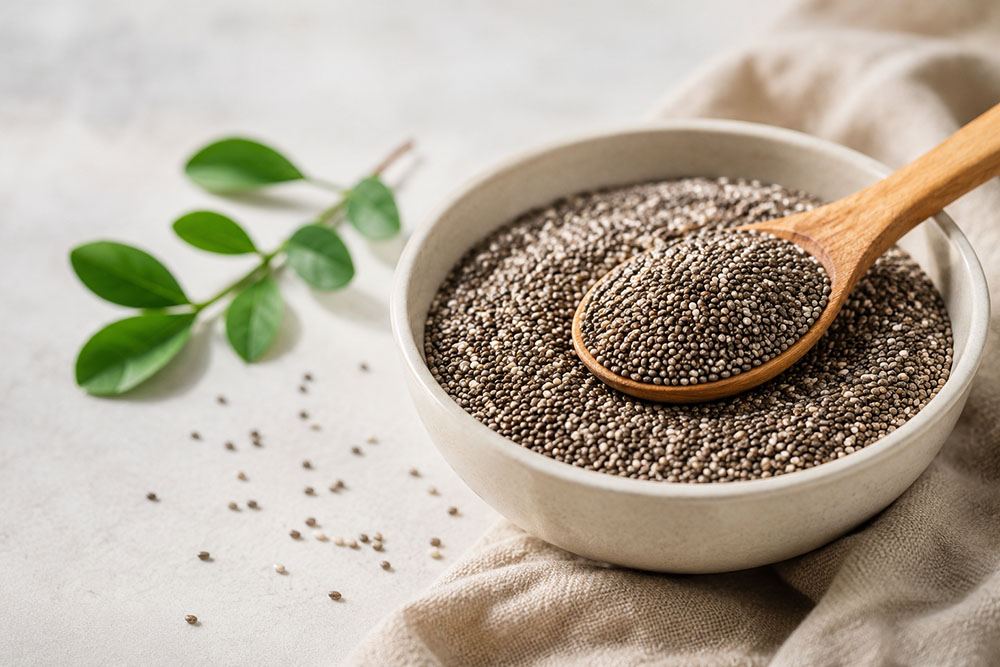
Chia seeds have gone from a niche health food to a pantry staple in many households. They're added to smoothies, yogurt, overnight oats, baked goods, and even water. Their popularity isn't just driven by social media trends—these tiny black and white seeds pack an impressive amount of nutrients into a surprisingly small serving.
But what actually happens if you eat chia seeds every day? Can they really improve your health, or are the claims exaggerated?
The answer lies somewhere in the middle. While chia seeds won't transform your health overnight, regular consumption may contribute to several meaningful benefits when combined with an overall balanced diet.
Your Digestive System May Become More Regular
One of the first changes many people notice is improved digestion.
Chia seeds are exceptionally high in dietary fiber. Just two tablespoons provide around 10 grams of fiber, which is a significant portion of the recommended daily intake for most adults.
Fiber helps add bulk to stool and supports regular bowel movements. It also feeds beneficial gut bacteria, which play an important role in maintaining digestive health.
When chia seeds absorb liquid, they form a gel-like texture. This slows the movement of food through the digestive tract and may help you feel fuller for longer.
However, it's important to increase your fiber intake gradually. Eating a large amount of chia seeds without drinking enough water may lead to bloating, gas, or digestive discomfort, especially if your diet has been low in fiber.
You May Feel Fuller Between Meals
If you're trying to manage your appetite, chia seeds can be a helpful addition to meals.
The combination of soluble fiber, healthy fats, and a small amount of protein helps slow digestion. Instead of causing a rapid spike and crash in hunger, meals containing chia seeds may keep you satisfied for longer.
This doesn't mean chia seeds directly cause weight loss. Rather, they may make it easier to control portion sizes and reduce unnecessary snacking.
Research on weight loss has shown mixed results. Some studies find modest improvements when chia seeds are included as part of a calorie-controlled diet, while others find little difference. Overall, they appear to work best as one piece of a healthy eating pattern rather than as a standalone solution.
Your Heart Could Benefit Over Time
Chia seeds are one of the richest plant sources of alpha-linolenic acid (ALA), a type of omega-3 fatty acid.
Omega-3 fats are known for supporting cardiovascular health, although the ALA found in plants is converted into the more active forms, EPA and DHA, only in limited amounts.
Even so, diets rich in ALA have been associated with improved heart health. Chia seeds may also contribute to healthier cholesterol levels because of their fiber content.
Some research suggests that regularly eating chia seeds may help reduce LDL cholesterol and support healthy blood pressure, although more long-term human studies are still needed.
The biggest advantage is that chia seeds provide multiple heart-friendly nutrients in a single food, including fiber, magnesium, antioxidants, and healthy fats.
Blood Sugar Levels May Stay More Stable
Foods high in refined carbohydrates are digested quickly, often leading to rapid increases in blood sugar.
Adding chia seeds to meals may slow this process.
The gel formed by soluble fiber delays stomach emptying and slows carbohydrate absorption. As a result, blood sugar levels may rise more gradually after eating.
For people with type 2 diabetes or prediabetes, this effect may be beneficial when chia seeds replace less nutritious ingredients rather than being added on top of an already high-calorie diet.
Of course, chia seeds are not a substitute for medication or medical treatment, but they can be part of a diet designed to support healthy blood sugar management.
You May Increase Your Intake of Important Minerals
Many people focus on vitamins while overlooking minerals that are equally essential.
Chia seeds contain several minerals that support normal body function, including calcium, magnesium, phosphorus, and manganese.
Magnesium plays a role in muscle function, nerve signaling, and hundreds of enzymatic reactions throughout the body.
Calcium supports healthy bones and teeth, while phosphorus contributes to energy production and bone health.
Although chia seeds shouldn't be relied upon as the sole source of these nutrients, eating them regularly can help increase your overall intake.
You'll Get More Antioxidants
Chia seeds naturally contain a variety of antioxidant compounds that help protect the fats inside the seeds from becoming rancid.
These antioxidants may also help reduce oxidative stress in the body, although researchers continue to investigate exactly how much benefit comes from consuming them in everyday diets.
Unlike many processed snack foods, chia seeds deliver nutrients without added sugar or artificial ingredients, making them a nutrient-dense option for daily meals.
They Won't Replace a Healthy Diet
Despite their reputation as a "superfood," chia seeds are not a cure-all.
Eating them every day won't automatically lower cholesterol, melt away body fat, or eliminate digestive problems.
Health outcomes depend on your overall eating habits, physical activity, sleep quality, and other lifestyle factors.
Think of chia seeds as a valuable supporting player rather than the star of the show.
There Are a Few Things to Watch Out For
Although chia seeds are safe for most healthy adults, there are a few precautions worth noting.
Because they absorb many times their weight in liquid, dry chia seeds should be eaten with adequate fluids. Swallowing a large spoonful of dry chia seeds followed by very little water may increase the risk of choking or esophageal blockage, particularly in people who already have swallowing difficulties.
People taking blood pressure medications or blood sugar-lowering medications should also speak with their healthcare provider before making significant dietary changes, as chia seeds may have mild effects on both blood pressure and blood glucose.
Additionally, if you've never eaten chia seeds before, it's wise to start with a small amount and gradually increase your intake.
How Much Should You Eat?
For most adults, one to two tablespoons (about 15 to 30 grams) per day is considered a reasonable serving.
Chia seeds are incredibly versatile. You can sprinkle them over oatmeal, mix them into yogurt, blend them into smoothies, stir them into soups, or use them to make chia pudding.
Soaking them before eating isn't strictly necessary, but many people find soaked chia seeds easier to digest and more pleasant in texture.
The Habit Is More Important Than the Superfood
Eating chia seeds every day is unlikely to produce dramatic changes overnight, but consistent intake may support digestive health, improve satiety, contribute to heart health, and help you consume more fiber, healthy fats, and essential minerals.
The greatest benefits come from making chia seeds part of an overall nutritious lifestyle rather than expecting them to work as a quick fix.
Like many healthy foods, their power lies not in perfection, but in consistency. A tablespoon or two each day, combined with balanced meals and regular physical activity, can be a simple habit that supports long-term health.