
The first thing that surprised me about Madeira wasn't the scenery—it was the scent.
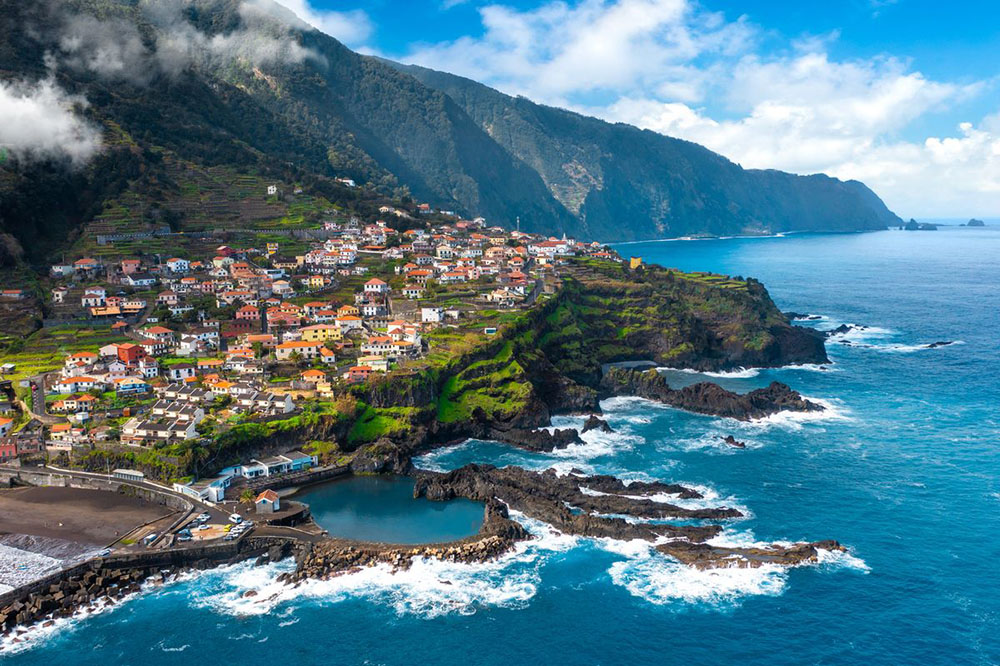
The moment I stepped outside the airport, the air smelled of salt, flowers, and something fresh I couldn't quite identify. Within an hour, I was driving along winding coastal roads with the Atlantic Ocean on one side and dramatic green cliffs on the other. It felt wild, peaceful, and somehow untouched.
People often call Madeira the "Hawaii of Europe," and after spending time on this Portuguese island, I understand why. It's not because the two destinations look identical. It's because they share the same feeling: volcanic landscapes, endless ocean views, lush mountains, and a lifestyle that encourages you to slow down and spend more time outdoors.
If you're looking for crowded beaches and all-night beach clubs, Madeira probably isn't your destination. But if your ideal trip includes sunrise hikes, fresh seafood, charming villages, and spectacular viewpoints around every corner, this island deserves a place on your travel list.
The Best Adventures Happen Outside
Madeira is one of those rare destinations where nature becomes the main attraction.
The island is famous for its levada walks—hundreds of miles of historic irrigation channels that now double as hiking trails. Some routes wind through ancient laurel forests, while others lead to waterfalls, mountain peaks, or narrow tunnels carved through the hillsides.
One of my favorite mornings started before sunrise on the hike between Pico do Arieiro and Pico Ruivo, Madeira's highest peak. Watching the clouds drift beneath the mountain ridges felt almost unreal. On clear days, it looks as though you're walking above the sky.
If hiking isn't your thing, Madeira still offers plenty of ways to experience its dramatic landscape.
Take the cable car from Funchal up to Monte for sweeping views over the city and coastline. Once at the top, visit the tropical gardens before trying one of Madeira's most unusual traditions—a ride down the hill in a wicker basket sled steered by two men dressed in white.
It sounds like a tourist attraction because it is, but it's also a tradition that dates back more than a century.
For those who love the ocean, dolphin and whale watching tours operate throughout much of the year, and the island's volcanic coastline offers excellent snorkeling and diving opportunities.
Every Meal Feels Like Part of the Trip
Madeira isn't a destination where you rush through lunch.
The food reflects both Portuguese traditions and the island's own identity, with fresh seafood appearing on almost every menu.
One dish you shouldn't miss is Espada com Banana, black scabbardfish served with banana. It may sound like an unusual combination, but the sweetness of the fruit balances the delicate fish surprisingly well.
Another local favorite is Espetada, large chunks of beef grilled on bay laurel skewers over an open fire. It's often served with crispy cornmeal cubes known as Milho Frito, which quickly became one of my favorite side dishes.
Seafood lovers will have no shortage of options. Limpets grilled with garlic butter, octopus salad, fresh tuna steaks, and Atlantic shrimp are widely available, especially in coastal villages.
And then there's the bread.
Bolo do Caco, Madeira's famous flatbread, arrives warm, soft, and brushed generously with garlic butter. It's simple, but after a long hike, it's hard to imagine anything tasting better.
No visit would be complete without sampling Madeira wine. Produced on the island for centuries, it's famous for its unique aging process and surprisingly wide range of styles, from dry aperitifs to rich dessert wines.
Funchal Is the Perfect Base
Although Madeira has charming villages scattered across the island, I found Funchal to be the ideal place to stay.
The capital blends colorful streets, waterfront cafés, historic architecture, and lively markets without feeling overwhelming.
During the day, you can explore the old town, browse Mercado dos Lavradores for tropical fruit and local crafts, or enjoy coffee overlooking the marina.
At night, the atmosphere shifts gently rather than dramatically. Restaurants spill onto sidewalks, musicians perform in small squares, and locals linger over dinner long after sunset.
If you're planning day trips around the island, Funchal also makes transportation easy.
Travelers looking for luxury will find elegant cliffside resorts with infinity pools overlooking the Atlantic, while boutique hotels and family-run guesthouses offer a more intimate experience. Those who prefer something quieter can choose accommodations in villages like Câmara de Lobos, Ponta do Sol, or Santana, where life moves at an even slower pace.
Madeira Rewards Curious Travelers
One of the things I appreciated most about Madeira was how often I found myself pulling over simply because the view demanded it.
The island is filled with scenic lookouts where sheer cliffs drop dramatically into the Atlantic Ocean.
Natural volcanic swimming pools in Porto Moniz offer another unforgettable experience. Instead of artificial pools, you're swimming in seawater surrounded by black volcanic rock, with waves crashing just beyond the edge.
Small villages reveal another side of the island.
Santana is known for its colorful triangular houses with thatched roofs, while Câmara de Lobos remains one of Madeira's most photogenic fishing villages. Winston Churchill famously visited here to paint the harbor, and it's easy to understand why.
If you have a rental car, don't rush.
Some of my favorite moments came from taking the scenic roads, stopping at roadside cafés, and discovering viewpoints that never appeared in guidebooks.
It's the Island That Stays With You
Many destinations impress you while you're there.
Madeira is different.
Weeks after returning home, I found myself thinking about morning coffee overlooking the Atlantic, mountain peaks floating above the clouds, fresh seafood dinners that lasted for hours, and the quiet rhythm of island life.
Perhaps that's why so many visitors end up returning.
Madeira doesn't compete with Europe's busiest beach destinations, nor does it try to. Instead, it offers something increasingly rare—a place where nature, food, and local traditions still shape the travel experience more than crowded attractions or social media trends.
If you've been searching for a European destination that feels adventurous without being exhausting, beautiful without being overdeveloped, and memorable long after the trip ends, it's easy to see why Madeira has earned the nickname "the Hawaii of Europe."