
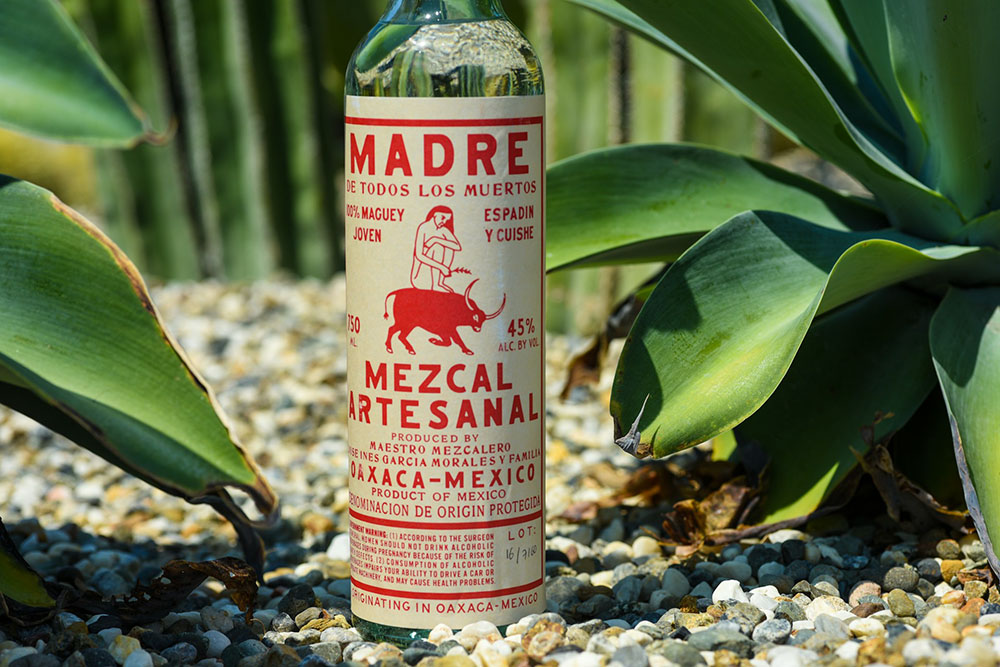
They both come from agave, they're both closely associated with Mexico, and they're often confused with one another. Yet mezcal and tequila are far from identical. From production methods to flavor profiles, here's what sets these two famous spirits apart.
Many people assume that mezcal is simply a smoky version of tequila.
It's an understandable assumption. Both drinks are distilled from agave plants, both have deep roots in Mexican culture, and both are commonly served neat or mixed into cocktails.
But while tequila and mezcal belong to the same family, their differences are significant enough that experienced drinkers rarely mistake one for the other.
Understanding those differences starts with the plant itself.
Tequila Comes From One Type of Agave
Tequila is made exclusively from Blue Weber Agave.
This rule helps give tequila a relatively consistent character regardless of where it's produced.
Because only one agave variety is permitted, tequila often develops a recognizable profile that's easier for consumers to identify.
People frequently describe tequila as:
- Bright
- Herbal
- Peppery
- Citrusy
- Slightly sweet
Of course, flavors vary between brands, but the range is generally narrower than with mezcal.
Mezcal Can Be Made From Many Agave Species
Mezcal follows a different philosophy.
Rather than relying on a single agave variety, mezcal can be produced using dozens of different species.
Some of the most common include:
- Espadín
- Tobalá
- Madrecuixe
- Tepeztate
These agave varieties grow under different conditions and mature at different rates, creating a much wider range of flavors.
As a result, two mezcals can taste surprisingly different from each other.
One may be fruity and floral.
Another may be earthy, vegetal, or intensely smoky.
The Production Process Creates the Biggest Difference
If you've ever noticed a smoky flavor in mezcal, the production method is the reason.
Before fermentation and distillation, mezcal producers traditionally cook agave hearts in underground pits lined with hot stones.
The agave slowly roasts for several days, absorbing smoke from wood and charcoal.
That smoke becomes part of the final flavor.
Tequila is typically cooked using ovens or modern industrial steam systems.
Because the agave is not roasted underground, tequila generally develops a cleaner and less smoky character.
This single difference explains why many first-time drinkers immediately notice mezcal's distinctive aroma.
Why Does Mezcal Taste Smoky?
The smoky flavor often dominates conversations about mezcal, but it's important not to reduce the spirit to smoke alone.
Good mezcal can also exhibit notes of:
- Tropical fruit
- Citrus
- Herbs
- Earth
- Minerals
- Chocolate
- Pepper
In some bottles, the smoke plays only a supporting role.
In others, it's front and center.
That's one reason mezcal enthusiasts often enjoy exploring different producers and agave varieties.
Which One Is Older?
Historically, mezcal is generally considered the older tradition.
Long before tequila became an internationally recognized spirit, communities across Mexico were producing regional agave distillates that would eventually become known as mezcal.
Tequila later developed into its own distinct category with specific production standards and geographic protections.
Today, tequila enjoys much larger global recognition, but mezcal has experienced growing international interest among drinkers looking for more artisanal and diverse flavor experiences.
Is Mezcal Stronger Than Tequila?
Not necessarily.
Most bottles of both spirits typically fall into similar alcohol ranges.
Many people perceive mezcal as stronger simply because its smoky and earthy flavors create a more intense tasting experience.
The flavor may be bolder, but the alcohol content is often comparable.
Which One Should You Try?
If you already enjoy tequila, trying mezcal can be an interesting next step.
Tequila often appeals to people who prefer cleaner, brighter flavors.
Mezcal tends to attract those who enjoy complexity and don't mind a bit of smoke.
Neither is objectively better.
They're simply different expressions of the same agave heritage.
For many people, discovering mezcal is less about replacing tequila and more about seeing how diverse agave-based spirits can be.
In that sense, the rivalry between mezcal and tequila might be the wrong way to think about it.
A better perspective is that tequila introduces many people to agave, while mezcal reveals just how much more there is to explore.