
Gardening advice can sometimes be intimidating.
One article tells you to monitor soil pH. Another recommends a complicated watering schedule. Social media is filled with stunning gardens that seem to require endless time, expertise, and patience.
It's enough to make many people believe they simply aren't "plant people."
The truth is much simpler.
Some plants are genuinely easier to grow than others.
They're more forgiving. They tolerate occasional neglect. They survive missed watering sessions, imperfect lighting, and the kinds of mistakes that nearly every beginner makes.
If you've ever worried that you lack a green thumb, these plants might change your mind.
1. Snake Plant
If there were a trophy for resilience, the snake plant would be a strong contender.
Snake plants tolerate:
- Low light
- Bright light
- Irregular watering
- Dry indoor air
In fact, they're often harmed more by too much attention than too little.
For busy people or first-time plant owners, few options are easier.
2. Pothos
Pothos has become one of the world's most popular houseplants for a reason.
Its trailing vines grow quickly and adapt to a wide variety of indoor environments.
Even when conditions aren't perfect, pothos often continues growing without complaint.
Many plant owners credit pothos with restoring their gardening confidence after previous failures.
3. Lavender
Lavender looks delicate, but once established, it's surprisingly tough.
It thrives in:
- Sunny locations
- Well-drained soil
- Relatively dry conditions
As an added bonus, its fragrance remains one of the most recognizable in the gardening world.
4. Marigolds
Some flowers seem determined to succeed.
Marigolds are among them.
They grow quickly, bloom generously, and bring bright color to gardens throughout much of the growing season.
Even beginner gardeners often achieve good results with minimal effort.
5. Daylilies
Daylilies have earned a reputation for being remarkably forgiving.
They tolerate:
- Heat
- Variable soil conditions
- Occasional neglect
Many gardeners joke that the hardest part of growing daylilies is stopping them from spreading.
6. Rosemary
Rosemary is one of those rare plants that can be both beautiful and useful.
Once established, it generally requires little maintenance and can tolerate dry conditions far better than many people expect.
Plus, having fresh rosemary available for cooking is always a welcome bonus.
7. Hostas
Not every garden is filled with sunshine.
For shady spaces, hostas are often a reliable choice.
Their lush foliage can make even difficult garden corners feel intentional and attractive.
They return year after year and require surprisingly little effort to maintain.
8. Zinnias
If instant gardening gratification were a category, zinnias would belong near the top.
These colorful flowers grow quickly, bloom heavily, and attract pollinators throughout the season.
They're also a favorite among beginner gardeners because success often comes quickly.
9. Aloe Vera
Aloe vera combines durability with practicality.
Like many succulents, it prefers to be left alone.
Overwatering is usually a bigger threat than underwatering.
Its distinctive appearance and low-maintenance nature have made it a household favorite for decades.
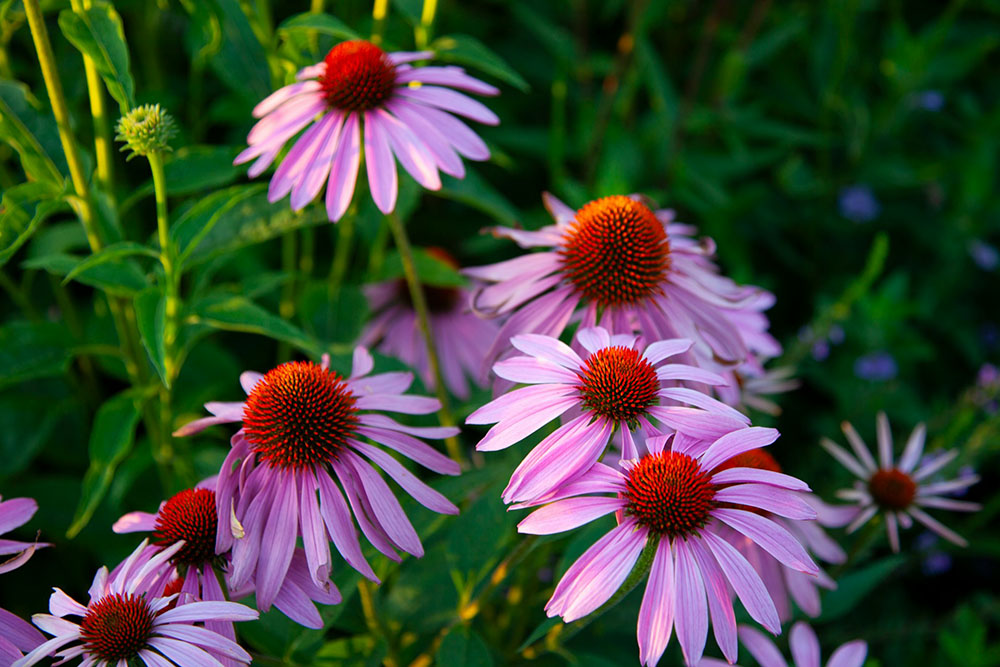
10. Coneflowers
Coneflowers are admired not only for their appearance but also for their toughness.
They handle:
- Summer heat
- Periodic drought
- Variable soil conditions
Once established, they're often among the most dependable plants in the garden.
11. Mint
Mint may be one of the easiest herbs to grow.
In fact, many gardeners will tell you it's almost too easy.
Given the opportunity, mint often spreads enthusiastically.
If you decide to plant it, containers can help keep its enthusiasm under control.
12. Sedum
Sedum is a favorite among gardeners who want attractive plants without constant maintenance.
Its succulent-like leaves help it tolerate dry conditions, and many varieties provide attractive color throughout multiple seasons.
It's one of those plants that quietly succeeds year after year.
Why Some Plants Succeed While Others Struggle
Interestingly, successful gardening often has less to do with skill than people think.
Many beginners fail because they choose plants that demand perfect conditions.
Difficult plants require precise care.
Forgiving plants allow gardeners to learn through experience.
The easiest plants create room for mistakes.
And since everyone makes mistakes, that's a valuable quality.
The Secret Isn't Having a Green Thumb
People often talk about gardening ability as though it's something you're born with.
A green thumb.
Natural talent.
Special intuition.
Yet many experienced gardeners would tell you the same thing:
Success often starts with choosing the right plants.
Growing resilient plants builds confidence.
Confidence encourages experimentation.
Experimentation creates experience.
And experience eventually becomes skill.
Start Easy, Grow From There
One of the biggest mistakes beginners make is trying to grow the most challenging plants first.
There's nothing wrong with starting simple.
A thriving snake plant is more rewarding than an expensive plant that's constantly struggling.
A healthy pot of rosemary is better than a garden full of frustration.
The goal isn't to impress anyone.
The goal is to enjoy the process.
And sometimes the easiest plants are exactly where that journey begins.