
Imagine being asked a difficult question in front of a room full of people.
Now imagine being asked the exact same question privately.
Would your answer be identical?
For many people, the answer is no.
That simple reality helps explain why anonymous voting has become such a valuable tool in workplaces, schools, communities, organizations, and online platforms.
At first glance, anonymity can feel counterintuitive.
Some people assume that attaching names to responses makes feedback more accountable and therefore more trustworthy.
But when the goal is understanding what people truly think, anonymity often produces something different:
Honesty.
Why People Don't Always Say What They Really Think
Humans are social creatures.
Whether we realize it or not, we constantly consider how our opinions might be perceived by others.
Questions naturally arise:
- Will someone disagree with me?
- Will this answer upset someone?
- Will my manager see this?
- Will I be judged?
- Will my opinion cause conflict?
Even when no actual consequences exist, the possibility can influence behavior.
As a result, people sometimes provide answers that feel safer rather than answers that are completely truthful.
This isn't necessarily dishonesty.
It's human nature.
The Difference Between Public and Private Opinions
Most people have experienced this situation.
A group discussion takes place.
Several people express opinions.
Everyone appears to agree.
Then afterward, private conversations reveal that many participants had very different views.
What happened?
The public environment influenced the responses.
People often hesitate to challenge a majority opinion, especially in professional or social settings.
Anonymous voting changes that dynamic.
It gives participants an opportunity to express what they genuinely think without worrying about how others might react.
Why Anonymous Feedback Matters at Work
Workplace surveys are one of the clearest examples.
Imagine an organization asking employees:
- Are you satisfied with leadership?
- Do you feel valued?
- Is communication effective?
- Do you feel comfortable raising concerns?
If employees believe their names will be attached to their responses, some may become cautious.
Even in healthy workplace cultures, that possibility can influence how people answer.
When anonymity is introduced, respondents often feel more comfortable sharing concerns, criticism, and suggestions they might otherwise keep to themselves.
For organizations seeking accurate feedback rather than flattering feedback, this distinction matters enormously.
Honesty Is Valuable Even When It's Uncomfortable
One reason anonymous voting can feel risky is that honest feedback isn't always pleasant.
Sometimes the results reveal disagreement.
Sometimes they reveal dissatisfaction.
Sometimes they expose problems that were previously invisible.
But uncomfortable information is often the most useful information.
A vote that tells leaders only what they want to hear has limited value.
A vote that reveals what people actually think creates opportunities for improvement.
Anonymous voting doesn't create problems.
It often reveals existing problems that were simply hidden.
Anonymity Doesn't Mean Chaos
Critics sometimes assume that anonymity encourages irresponsible behavior.
And in some contexts, that can happen.
However, anonymous voting is fundamentally different from anonymous commenting on the internet.
A vote is structured.
Participants choose among specific options.
The focus remains on gathering opinions rather than encouraging conflict.
Anonymity removes personal pressure.
It doesn't automatically remove responsibility.
In many cases, it simply helps people answer the question they were asked.
The Psychology of Feeling Safe
One of the most powerful effects of anonymous voting is psychological.
People are more likely to participate when they feel safe.
Safety doesn't mean everyone agrees.
Safety means participants believe they can express an opinion without fear of embarrassment, criticism, or retaliation.
When that feeling exists, participation often increases.
And when participation increases, results become more representative of the group as a whole.
The best decisions are usually based on what people genuinely think, not what they feel comfortable saying publicly.
Trust and Anonymity Can Coexist
There is a common misconception that anonymous voting reduces trust.
In reality, trust often depends on context.
Participants need confidence that:
- Votes are counted fairly
- The process is transparent
- Privacy is respected
- Results reflect genuine participation
When these conditions exist, anonymity can actually strengthen trust rather than weaken it.
People trust a process more when they believe they can participate honestly within it.
Why Many Online Votes Use Anonymous Participation
Today, anonymous voting has become common across countless situations:
- Workplace surveys
- Community feedback
- Student organizations
- Volunteer groups
- Product research
- Public opinion polls
The reason is simple.
In many situations, identities are less important than opinions.
If the objective is understanding what a group thinks, anonymity can remove barriers that might otherwise influence responses.
This makes voting more about ideas and less about personalities.
Modern Platforms Often Combine Privacy With Trust
Of course, anonymity alone is not enough. Participants also need confidence that the voting process itself remains fair and credible.
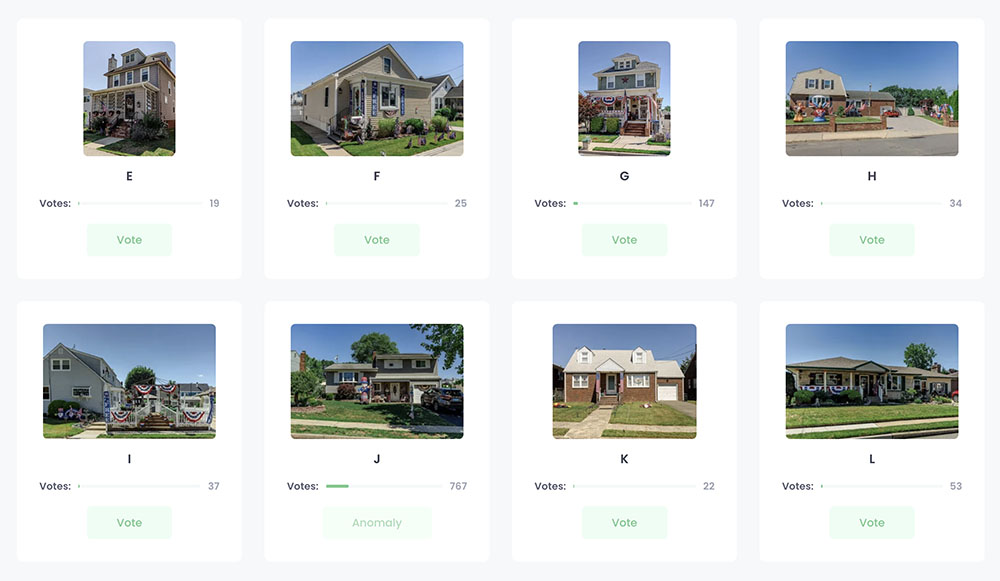
That's why many modern voting platforms focus on balancing privacy with transparency. For example, platforms such as MiniVote allow organizers to collect anonymous feedback and opinions while still maintaining confidence in the integrity of the voting process. Features like MiniVote's Vote Intelligence Monitoring System help organizers identify unusual voting patterns and review participation activity without compromising voter privacy.
The goal isn't to remove anonymity. It's to ensure that honest participants can vote freely while organizers retain confidence in the reliability of the results.
The Goal Isn't Hiding People
One of the biggest misconceptions about anonymous voting is that it exists to hide people.
That's not really the point.
The purpose is to remove distractions.
When names disappear, attention shifts to the opinions themselves.
The discussion becomes less about who said something and more about what was said.
That can be remarkably powerful.
Better Feedback Leads to Better Decisions
Organizations, communities, and teams make stronger decisions when they have access to accurate information.
Accurate information depends on honest participation.
Honest participation often depends on psychological safety.
And psychological safety frequently improves when people know they can express themselves privately.
That's why anonymous voting continues to play an important role in modern decision-making.
Not because anonymity guarantees truth.
But because it reduces some of the pressures that prevent people from telling the truth in the first place.
In the end, anonymous voting isn't about hiding opinions.
It's about creating the conditions where people feel comfortable sharing them.