
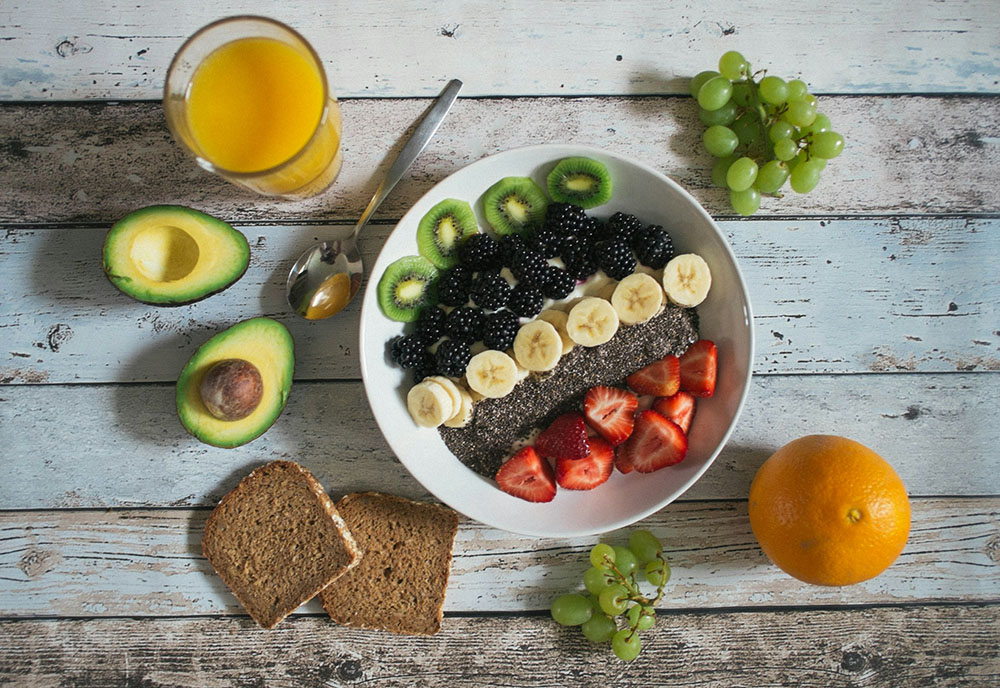
When most people think of vitamin C, they think of oranges.
It's one of the strongest food associations in modern nutrition. Feeling under the weather? Drink orange juice. Looking for vitamin C? Reach for an orange.
The reputation is well deserved.
Oranges are a great source of vitamin C and have earned their place as a breakfast classic.
But they're not the only option.
In fact, several foods commonly enjoyed at breakfast contain as much, or sometimes even more, vitamin C than an orange. The surprising part is that many people eat these foods regularly without realizing they're getting a substantial vitamin C boost.
Let's take a closer look at some of the breakfast foods quietly competing with one of nutrition's most famous fruits.
Strawberries Deserve More Credit
Strawberries often get treated as a dessert ingredient or smoothie addition.
In reality, they're nutritional overachievers.
Their bright color and natural sweetness make them an easy addition to:
- Yogurt bowls
- Oatmeal
- Smoothies
- Breakfast parfaits
- Whole-grain cereal
Many people reach for oranges when thinking about vitamin C while overlooking the strawberries sitting right next to them in the grocery store.
That's a shame, because strawberries bring both flavor and impressive nutritional value to the breakfast table.
Kiwi Is One of Breakfast's Most Underrated Fruits
Kiwi rarely receives the attention given to apples, bananas, or oranges.
Yet this small fruit consistently surprises people.
Its combination of sweetness and tartness makes it a natural breakfast ingredient, whether sliced into yogurt, blended into smoothies, or eaten on its own.
Kiwi also feels unusually refreshing in the morning.
For many households, it remains an occasional purchase rather than a regular staple.
That may be one reason it continues to fly under the radar despite its nutritional reputation.
Red Bell Peppers Aren't Just for Lunch
When people hear "breakfast foods," vegetables aren't always the first thing that comes to mind.
Yet many breakfast dishes already include vegetables:
- Omelets
- Breakfast wraps
- Egg scrambles
- Breakfast burritos
Red bell peppers can add color, crunch, and freshness to these meals.
They're also one of the foods that frequently surprises people in discussions about vitamin C.
The lesson here is simple:
Not all vitamin C comes from fruit.
Pineapple Brings More Than Tropical Flavor
Pineapple often feels like a vacation fruit.
It's bright, sweet, and instantly makes a meal feel more interesting.
Many people add pineapple to:
- Smoothies
- Fruit salads
- Yogurt bowls
- Cottage cheese breakfasts
While most attention goes to its flavor, pineapple also contributes valuable nutrients that make it more than just a sweet topping.
It proves that breakfast can be both enjoyable and nutritious at the same time.
Papaya Is a Hidden Gem
Depending on where you live, papaya may be either common or surprisingly rare.
Those who regularly eat it often become enthusiastic supporters.
Its soft texture makes it ideal for breakfast, and it pairs well with other fruits, yogurt, and granola.
Like several fruits on this list, papaya tends to be overshadowed by more familiar options.
Yet it offers plenty of reasons to earn a permanent place in a morning routine.
Why Oranges Still Matter
At this point, it might sound as though oranges are overrated.
They're not.
Oranges remain one of the most convenient and widely available sources of vitamin C.
They're affordable.
Portable.
Easy to eat.
And familiar.
The goal isn't to replace oranges.
It's to recognize that they don't have a monopoly on vitamin C.
A varied diet often provides more nutritional diversity than relying on a single "healthy" food.
Breakfast Variety Has Its Own Benefits
One interesting thing about healthy eating is how often people search for the single best option.
The best fruit.
The best breakfast.
The best source of a nutrient.
Real life rarely works that way.
Most nutrition experts would agree that variety matters.
Different fruits and vegetables bring different nutrients, flavors, and textures.
A breakfast built around several colorful ingredients often ends up being more enjoyable than one built around a single food.
And when meals are enjoyable, people are more likely to stick with healthy habits over the long term.
The Most Surprising Nutrition Lessons Are Often the Simplest
Many nutrition myths survive because they contain a grain of truth.
Oranges are rich in vitamin C.
That's true.
The mistake is assuming they're the only meaningful source.
A grocery store contains dozens of foods capable of contributing to a healthy breakfast.
Some happen to contain more vitamin C than people expect.
Others offer completely different nutritional benefits.
The bigger lesson isn't about replacing oranges.
It's about expanding the menu.
Because sometimes the healthiest habits begin with discovering that your favorite foods were doing more for you than you realized.