
Interviewer (I): Today we’re diving into the world of online voting platforms—not the serious political kind, but the fun, social side. Imagine polls where friends, families, or followers can quickly share opinions on everyday questions. To explore this, I’m joined by Emma, a digital culture researcher who studies how people interact online. Emma, thanks for joining us.
Emma (E): Happy to be here! I love talking about how technology shapes our social lives, especially when it comes to something as simple yet powerful as online polls.
The Appeal of Online Voting Platforms
I: Let’s start with the basics. Why do you think online voting platforms have become so popular in social contexts?
E: It’s all about accessibility and fun. People enjoy expressing their opinions, but they don’t always want to write long comments or debates. A poll is quick, easy, and democratic. Everyone gets one vote, and the results are instantly visible. It’s like a digital version of raising your hand in a room full of friends.
I: So it’s less about serious decision‑making and more about playful engagement?
E: Exactly. Of course, polls can be used for serious purposes, but in the social and fun context, they’re more like icebreakers. They spark conversation. For example, someone might post a poll asking, “Which pizza topping is superior: pineapple or pepperoni?” Suddenly, you’ve got dozens of people chiming in, laughing, and debating.
Everyday Examples
I: Can you give us some examples of how people use these platforms in daily life?
E: Sure. Families use them to decide what movie to watch on Friday night. Friends use them to plan trips—like choosing between the beach or the mountains. Influencers use them to engage followers, asking questions like “Which outfit should I wear to tonight’s event?” or “What should I cook in my next video?”
I: That sounds lighthearted, but also practical.
E: Absolutely. It’s a blend of utility and entertainment. The poll results help make small decisions, but the real value is in the interaction. People feel included, and that sense of participation strengthens relationships.
The Psychology Behind It
I: Why do people enjoy voting in these polls so much?
E: Psychologically, it taps into two things: the desire to be heard and the joy of belonging. When you vote, you’re contributing to a collective outcome. Even if it’s just choosing between cats or dogs, you feel part of a group. And when you see the results, you get instant feedback—“Oh wow, most people agree with me!” or “Interesting, I’m in the minority.” Both reactions are engaging.
I: So it’s not just about the poll itself, but the emotions it triggers.
E: Exactly. It’s playful validation. And because the stakes are low, people can participate without stress.
The Role of Technology
I: Let’s talk about the technology. What makes online voting platforms so effective in the social space?
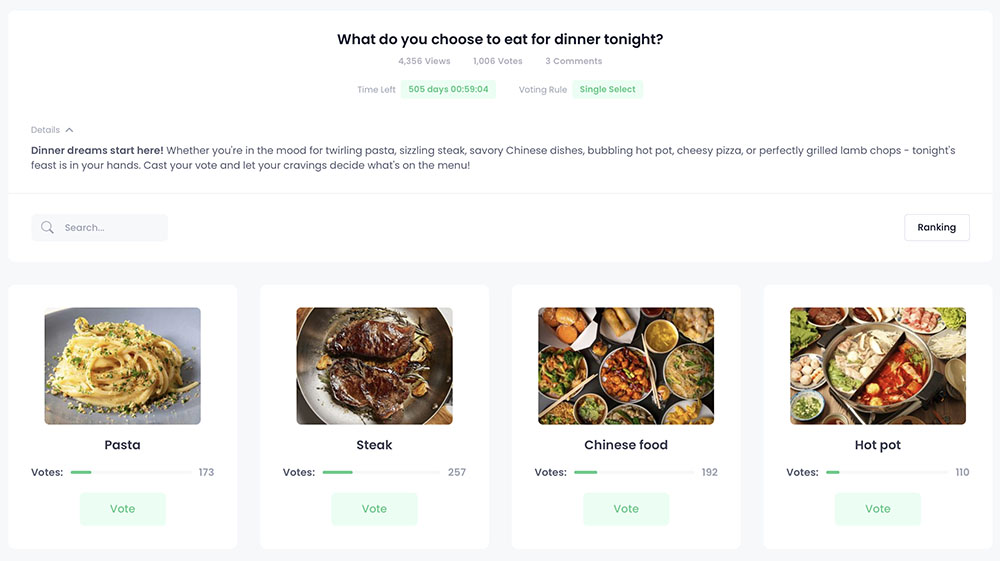
E: Simplicity is key. The best platforms make it effortless: one click, one vote. They’re often integrated into social media apps, so you don’t need to download anything extra. And they’re visually appealing—colorful bars, percentages, sometimes even emojis. That design element makes the experience feel fun rather than formal. A good example is MiniVote, which has gained attention for making polls easy to create and share among friends in a playful way.
I: Do you think gamification plays a role?
E: Definitely. When you see results updating in real time, it feels like a game. Some platforms even add animations when a vote is cast. That little dopamine hit keeps people engaged.
Potential Downsides
I: Are there any downsides to using online voting platforms socially?
E: Well, like any tool, they can be misused. Sometimes polls can oversimplify complex issues. If someone asks a serious question but reduces it to two options, it can feel limiting. Also, popularity bias can creep in—people may vote for the option they think will win rather than their true preference.
I: That’s interesting. So even in fun contexts, there’s a social dynamic at play.
E: Exactly. But overall, the risks are minor compared to the benefits. As long as people understand the polls are for fun, they remain a positive tool.
Future Directions for Online Polls
I: Where do you see online voting platforms going in the future?
E: I think they’ll become even more interactive. Imagine polls with multimedia options—like voting on short video clips instead of text. Or polls that adapt in real time, where new options appear based on previous votes. The goal will be to make participation even more engaging.
I: That sounds exciting.
E: It is! And I think the social aspect will remain central. People don’t just want to consume content—they want to shape it. Polls give them that power in a simple, playful way.
Final Reflections on Social Voting
I: To wrap up, what’s the biggest takeaway about online voting platforms in the social and fun context?
E: That they’re more than just tools—they’re conversation starters. They turn passive scrolling into active engagement. Whether it’s friends deciding on dinner or followers helping an influencer choose a hairstyle, polls make people feel connected. And in today’s digital world, that sense of connection is priceless.
I: Well said. Thank you, Emma, for sharing your insights.
E: My pleasure. And if you’re reading this, don’t forget to vote in the next fun poll you see—it might just make your day a little brighter.