
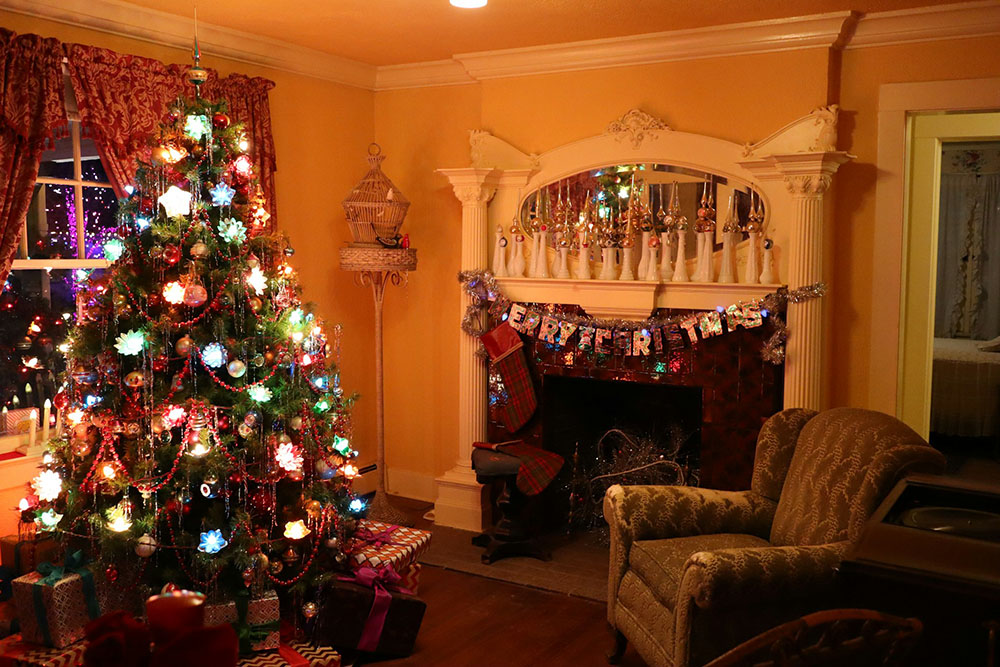
Every December, millions of American households face a surprisingly emotional question: Should we get a real Christmas tree this year, or pull the artificial one out of the attic? It sounds like a simple choice, but in the United States, this decision reflects a mix of tradition, convenience, environmental concerns, and even identity. The debate between real and artificial Christmas trees has become one of the most interesting seasonal conversations in American culture — and it reveals far more about the country than just holiday décor preferences.
A Nation of Christmas Tree Lovers
The United States is one of the world’s largest consumers of Christmas trees. Each year, Americans purchase around 25–30 million real trees and an even larger number of artificial ones. Christmas trees are not just decorations; they’re symbols of family tradition, nostalgia, and the beginning of the holiday season. For many families, choosing a tree is a ritual — a moment that marks the transition into the festive spirit.
But as lifestyles change and environmental awareness grows, the question of which type of tree is better has become more complicated.
The Case for Real Christmas Trees
A Living Tradition
For many Americans, a real Christmas tree represents authenticity. The smell of pine, the uneven branches, the ritual of tying the tree to the roof of the car — these details create memories that artificial trees simply can’t replicate. Families often visit local tree farms, take photos, drink hot chocolate, and make a day out of it. The experience itself becomes part of the holiday tradition.
Environmental Impact: Not as Bad as People Think
One of the biggest misconceptions is that real Christmas trees contribute to deforestation. In reality, almost all real Christmas trees sold in the U.S. come from dedicated tree farms, not natural forests. These farms operate like agricultural businesses: for every tree cut down, several new ones are planted. A typical Christmas tree takes 7–12 years to grow, absorbing carbon dioxide and providing habitat for wildlife during that time.
Real trees are also biodegradable. After the holidays, many cities run recycling programs that turn old trees into mulch, compost, or erosion-control material. In that sense, the environmental footprint of a real tree is surprisingly gentle.
Supporting Local Farmers
Buying a real tree often means supporting small, family-owned farms. Many of these farms have been operating for generations, and Christmas tree sales are a major part of their income. In rural areas, the industry provides seasonal jobs and helps maintain agricultural land that might otherwise be sold for development.
The Case for Artificial Christmas Trees
Convenience Above All
Artificial trees have become incredibly popular in the U.S. because they are easy. No needles dropping on the floor, no watering, no disposal, no annual trip to the tree lot. You buy one tree and use it for years. For busy families, people living in apartments, or those who travel during the holidays, an artificial tree is simply more practical.
Aesthetics and Customization
Artificial trees come in every imaginable style: perfectly symmetrical, snow‑flocked, pre‑lit, slim, wide, colorful, metallic — even upside‑down. For people who want a specific look, artificial trees offer more control. They also hold heavy ornaments better and don’t dry out.
Environmental Impact: More Complicated
Artificial trees are usually made from PVC plastic and metal, and most are manufactured overseas. Producing and shipping them generates significant carbon emissions. They are also difficult to recycle, meaning most eventually end up in landfills.
However, the environmental equation changes if the tree is used for many years. Studies suggest that if an artificial tree is used for at least 8–10 years, its environmental impact becomes comparable to — or even lower than — buying a real tree every year. The problem is that many households replace their artificial trees more frequently than that, especially as new styles and pre‑lit models become popular.
What Americans Actually Choose
Interestingly, the U.S. is fairly evenly split. Surveys show that:
- Around 24% of households buy a real tree each year
- Around 47% use artificial trees
- The rest use no tree or alternative decorations
Artificial trees dominate in terms of total numbers, but real trees remain deeply tied to tradition and nostalgia. Many families even switch back and forth depending on life circumstances.
The Emotional Side of the Debate
What makes this topic fascinating is that the choice is rarely just practical. For many Americans, the type of tree they choose reflects something about their identity or values.
- Real tree households often describe the experience as meaningful, natural, and nostalgic.
- Artificial tree households tend to emphasize convenience, sustainability over time, and modern aesthetics.
Neither side is wrong — they simply prioritize different things.
So Which Tree Is “Better”?
There is no universal answer. Both real and artificial trees have advantages and drawbacks, and both can be environmentally responsible choices depending on how they’re used.
If you want the most eco‑friendly option:
- A real tree is better if it’s recycled properly.
- An artificial tree is better only if you keep it for a decade or more.
If you want tradition and sensory experience, real trees win. If you want convenience and consistency, artificial trees win.
In the end, the Christmas tree debate in America isn’t really about trees at all — it’s about how people choose to celebrate, what they value, and what makes the holiday season feel magical to them.