
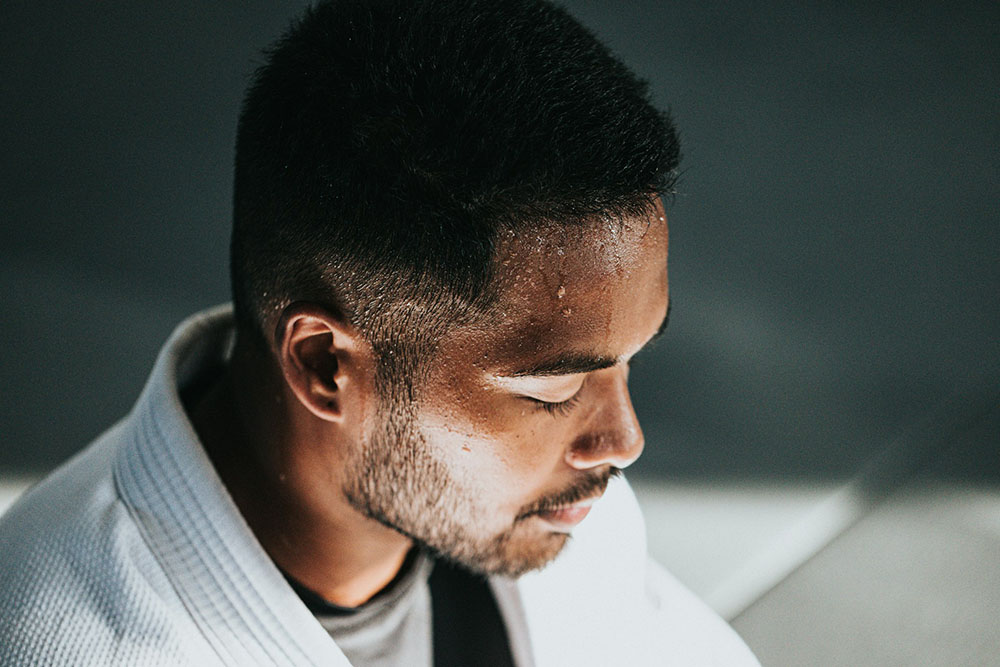
When you catch a cold, advice often comes pouring in from friends, family, and even strangers. One of the most common suggestions is: “Just sweat it out—you’ll get better faster.” The idea sounds appealing. After all, sweating is associated with detox, cleansing, and even resilience. But does breaking a sweat truly help you recover from a cold more quickly, or is it just another enduring health myth? To answer this, we need to look at what a cold really is, how the body fights it, and the difference between what traditional medicine calls a “cold-type” and “heat-type” cold.
What Happens When You Have a Cold?
The common cold is usually caused by viruses such as rhinoviruses or coronaviruses. Once inside the body, these viruses irritate the respiratory tract, leading to symptoms like:
- Runny or stuffy nose
- Sneezing
- Sore throat
- Mild fever
- Fatigue
Your immune system responds by mobilizing white blood cells, producing mucus to trap invaders, and sometimes raising body temperature to make the environment less hospitable for viruses. Recovery depends on how efficiently your immune system fights off the infection, not on how much you sweat.
Does Sweating Help?
Sweating is the body’s natural cooling mechanism. It regulates temperature, not immunity. While sweating can make you feel like you’re “purging toxins,” the truth is:
- Sweat does not expel viruses. Viruses replicate inside cells, not in sweat glands.
- Sweating may cause dehydration. Losing fluids without replenishment can actually slow recovery.
- Exercise-induced sweating might temporarily boost circulation and mood, but overexertion when sick can stress the body and prolong illness.
In short, sweating itself does not cure a cold. What helps is rest, hydration, and supporting your immune system.
Cold-Type vs Heat-Type Colds
In traditional Chinese medicine (TCM) and some holistic frameworks, colds are categorized into two types: cold-type (cold wind invasion) and heat-type (hot wind invasion). While these terms don’t exist in Western medicine, they provide an interesting lens for understanding symptoms.
Cold-Type Cold
- Symptoms: Clear runny nose, chills, body aches, mild or no fever, sneezing.
- Cause (TCM view): External cold invading the body, weakening defensive energy.
- Recommended approach: Keep warm, drink hot ginger tea, rest. Sweating lightly (e.g., from a warm blanket or mild herbal tea) may help expel “cold” but should be gentle, not forced.
Heat-Type Cold
- Symptoms: Sore throat, yellow mucus, fever, thirst, headache.
- Cause (TCM view): External heat or wind-heat pathogen.
- Recommended approach: Cooling remedies like chrysanthemum tea, peppermint, or foods that reduce internal heat. Forcing sweat in this case may worsen dehydration and throat irritation.
Modern Medical Perspective
Western medicine does not distinguish between cold-type and heat-type colds. Instead, it focuses on:
- Symptom relief: Using fluids, rest, and sometimes over-the-counter medications.
- Immune support: Adequate sleep, balanced nutrition, and hydration.
- Avoiding complications: Preventing bacterial infections or worsening respiratory issues.
From this perspective, sweating is neither harmful nor beneficial in itself—it’s neutral. What matters is whether sweating comes naturally (like from a mild fever) or is artificially induced (like from intense exercise or saunas).
The Risks of “Sweating It Out”
While the idea of sweating out a cold is popular, it carries risks:
- Dehydration: Loss of fluids can thicken mucus and make symptoms worse.
- Overexertion: Exercise or sauna sessions may weaken the immune system temporarily.
- False sense of recovery: Feeling lighter after sweating doesn’t mean the virus is gone.
What Actually Helps Recovery
Instead of relying on sweat, focus on proven strategies:
- Hydration: Drink water, herbal teas, or broths.
- Rest: Sleep allows the immune system to work efficiently.
- Nutrition: Eat light, nutrient-rich foods.
- Warmth or cooling depending on type: For cold-type colds, gentle warmth helps; for heat-type colds, cooling remedies soothe.
- Medical care if needed: Seek professional help if symptoms worsen or persist beyond 10 days.
Beyond the Myth
Maybe the real lesson isn’t about sweat at all. It’s about patience. A cold reminds us that the body heals in its own rhythm, not in the shortcuts we invent. Cold-type or heat-type, fever or fatigue—the cure is not in forcing perspiration but in allowing restoration. Sweat may trick us into feeling cleansed, but true recovery comes from rest, hydration, and time.
So next time someone says “sweat it out,” smile, sip your tea, and remember: healing isn’t about how much water leaves your skin, but how much strength returns to your body.