
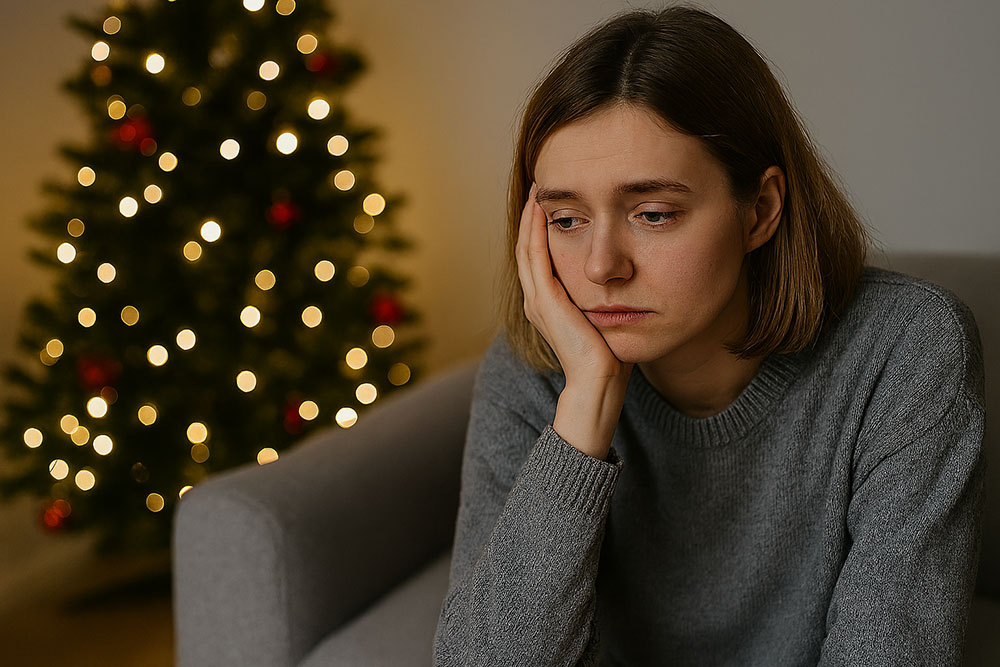
The holiday season is often portrayed as a time of joy, connection, and celebration. Streets glow with festive lights, families gather around decorated tables, and workplaces slow down as people take time off. In the United States, Christmas is especially significant — a cultural, emotional, and economic event that shapes the rhythm of the entire winter season. Yet once the decorations are packed away and the last leftovers are eaten, many people experience an emotional dip known as post‑holiday blues. This temporary slump is surprisingly common, and understanding it can make the transition back to everyday life much smoother.
What Exactly Are Post‑Holiday Blues?
Post‑holiday blues refer to a short‑term period of low mood, fatigue, irritability, or lack of motivation that occurs after major celebrations. It is not a clinical diagnosis, but rather a natural emotional response to the sudden shift from excitement to routine. People often describe feeling:
- unusually tired
- emotionally flat or empty
- unmotivated to return to work
- overwhelmed by responsibilities
- lonely after weeks of social activity
This emotional dip typically lasts from a few days to a couple of weeks. While mild, it can still affect productivity, relationships, and overall well‑being.
Why Do Post‑Holiday Blues Happen?
The reasons are both psychological and physiological. Several factors combine to create this emotional downturn:
1. Emotional Contrast
The holidays create a heightened emotional state — anticipation, joy, nostalgia, and social connection. When this stimulation suddenly disappears, the brain experiences a noticeable drop in dopamine and serotonin, the chemicals associated with pleasure and motivation.
2. Physical Exhaustion
Holiday travel, late‑night gatherings, cooking, shopping, and hosting can be physically draining. Many people enter January already tired, making it harder to return to normal routines.
3. Disrupted Sleep Patterns
Irregular schedules, heavy meals, alcohol, and late nights can throw off the body’s internal clock. Poor sleep is strongly linked to mood changes, irritability, and reduced concentration.
4. Financial Stress
In the U.S., holiday spending is significant. Credit card bills often arrive in early January, creating anxiety and regret that amplify emotional lows.
5. Reduced Social Interaction
After weeks of family gatherings, parties, and community events, the sudden quiet can feel lonely. Humans are social creatures, and abrupt changes in social stimulation affect mood.
6. Seasonal Factors
In many parts of the U.S., winter means short days, long nights, and cold weather. Reduced sunlight affects circadian rhythms and can lower serotonin levels. For some people, this can trigger or worsen Seasonal Affective Disorder (SAD), a form of depression linked to seasonal changes.
Understanding these causes helps explain why post‑holiday blues are so widespread — and why they are not a sign of personal weakness.
How to Overcome Post‑Holiday Blues
Fortunately, there are effective, evidence‑based strategies that can help restore balance and improve mood. These approaches are commonly used in the U.S. and are supported by psychological research.
1. Increase Exposure to Natural Light
Light plays a crucial role in regulating mood and sleep. During winter, sunlight is limited, so intentional exposure becomes important.
- Take a morning walk, even if it’s short
- Sit near windows during the day
- Open curtains early to let in natural light
- Consider using a light therapy lamp, which mimics natural daylight and is widely recommended for winter mood issues
Even 20–30 minutes of bright light exposure can improve alertness and emotional stability.
2. Rebuild a Consistent Routine
The brain thrives on structure. After the unpredictability of the holidays, re‑establishing a routine helps restore a sense of control.
- Set regular sleep and wake times
- Eat meals at consistent hours
- Create a simple daily schedule
- Limit alcohol and caffeine, especially at night
A predictable rhythm reduces stress and supports emotional recovery.
3. Move Your Body — Even a Little
Exercise is one of the most reliable mood boosters. It increases endorphins, improves sleep, and reduces anxiety.
You don’t need intense workouts. Many Americans rely on:
- brisk walking
- yoga or stretching
- home workout videos
- light strength training
- dancing or movement‑based hobbies
The key is consistency, not intensity. Even 15 minutes a day can make a noticeable difference.
4. Set Realistic, Achievable Goals
January often brings pressure to make big resolutions. But overly ambitious goals can backfire and worsen stress. Instead, focus on small, manageable steps:
- organize one drawer instead of the whole house
- plan meals for two days instead of a full week
- commit to a short daily walk instead of a full fitness program
Small wins build momentum and restore confidence.
5. Maintain Social Connections
After the social high of the holidays, isolation can feel especially sharp. Staying connected helps ease the emotional drop.
- schedule a coffee with a friend
- join a hobby group or class
- participate in online communities
- call or message family members regularly
Social interaction doesn’t need to be intense — even light, casual contact helps.
6. Address Financial Stress Proactively
Money worries are a major contributor to post‑holiday anxiety. Taking practical steps can reduce the emotional burden.
- review holiday spending without judgment
- create a simple budget for the next month
- set small savings goals
- plan ahead for next year’s holiday expenses
Financial clarity often brings emotional relief.
7. Practice Mindfulness and Self‑Compassion
Mindfulness helps people stay grounded and reduces rumination. Techniques include:
- deep breathing
- short meditation sessions
- journaling
- gratitude exercises
Equally important is self‑compassion — recognizing that it’s normal to feel low after an intense season. Treating yourself with kindness rather than criticism supports emotional healing.
8. Seek Professional Support When Needed
If low mood persists for more than a few weeks, or if symptoms interfere with daily functioning, it may be helpful to speak with a mental‑health professional. In the U.S., therapy is widely accepted and accessible through in‑person or online platforms.
This is especially important if symptoms resemble Seasonal Affective Disorder, which may require targeted treatment such as light therapy or structured behavioral strategies.
A Healthy Transition Into the New Year
Post‑holiday blues are a natural response to the emotional, physical, and social intensity of the holiday season. They do not indicate failure or weakness — they simply reflect the human need for balance. By understanding the causes and applying practical strategies, most people regain their energy and motivation within a short time.
The key is to approach the transition with patience, structure, and self‑care. When the holiday lights go out, life doesn’t have to feel dim. With the right habits and mindset, the weeks after the holidays can become a time of renewal, clarity, and quiet strength.