
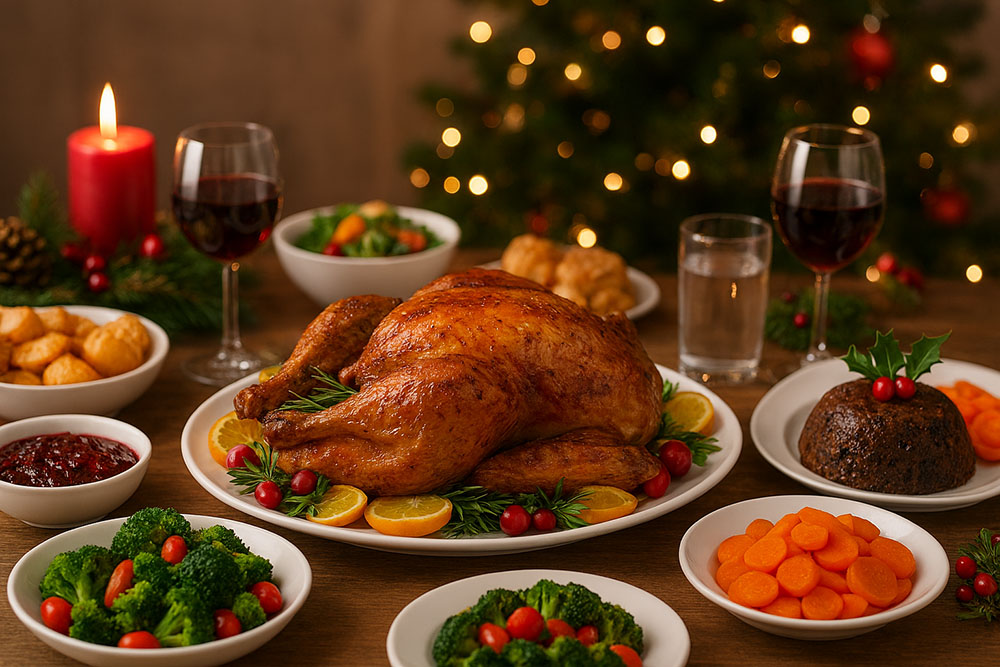
The Christmas season is a time of warmth, celebration, and togetherness. It is also a time when tables overflow with rich dishes, decadent desserts, and festive drinks. While these foods are part of the joy of the holiday, many people find themselves struggling with the consequences afterward — weight gain, fatigue, digestive discomfort, or simply the feeling of having overindulged. The challenge, then, is not to avoid the pleasures of Christmas entirely, but to enjoy them in a balanced, mindful way. Healthy eating during the holiday season is not about restriction; it is about making thoughtful choices that allow us to celebrate without compromising our well‑being.
The Temptation of Holiday Foods
Christmas cuisine is famously indulgent. Roasted meats, buttery potatoes, creamy sauces, chocolate treats, gingerbread cookies, fruitcakes, and festive beverages all play starring roles. These foods are delicious for a reason: they are often high in fat, sugar, and salt — ingredients that stimulate our appetite and reward centers. Add the emotional atmosphere of celebration, and it becomes easy to eat more than we intend.
But the issue is not the food itself. Traditional holiday dishes are part of cultural identity and family tradition. The real challenge lies in the quantity and frequency of consumption. When celebrations stretch across multiple gatherings, office parties, family dinners, and friendly get‑togethers, the cumulative effect can be significant.
Mindful Indulgence: A More Realistic Approach
Instead of trying to avoid festive foods altogether — which often leads to frustration or rebound overeating — a more sustainable approach is mindful indulgence. This means enjoying holiday dishes with awareness, intention, and moderation.
One effective strategy is to prioritize the foods you truly love. Many people eat everything on the table simply because it is available. But not all dishes bring the same level of satisfaction. By choosing your favorites and skipping the ones you don’t care much about, you can reduce unnecessary calories while still enjoying the holiday spirit.
Eating slowly is another powerful tool. When we rush through a meal, our brain does not have enough time to register fullness. Slowing down, savoring each bite, and paying attention to flavors not only enhances enjoyment but also helps prevent overeating.
Balancing the Plate
A balanced plate is the foundation of healthy eating, even during Christmas. While festive meals often emphasize meat and starches, adding vegetables can make a significant difference. Colorful salads, roasted vegetables, and fresh fruit platters provide fiber, vitamins, and antioxidants that support digestion and overall health.
A simple guideline is to fill half your plate with vegetables, one quarter with protein, and one quarter with carbohydrates. This structure allows you to enjoy traditional dishes while maintaining nutritional balance. It also helps stabilize blood sugar levels, reducing the energy crashes that often follow heavy meals.
Managing Sugar and Sweets
Desserts are a beloved part of Christmas, from cookies and cakes to chocolates and puddings. However, excessive sugar intake can lead to fatigue, mood swings, and increased cravings. Rather than eliminating sweets, consider enjoying them in smaller portions. Sharing desserts, choosing fruit‑based options, or limiting sweets to one or two special occasions can help maintain balance.
Another helpful approach is to avoid eating sweets on an empty stomach. Pairing desserts with a meal slows the absorption of sugar and reduces its impact on blood glucose levels.
Staying Hydrated
Hydration is often overlooked during the holidays, especially when alcohol and sugary drinks are abundant. Dehydration can cause headaches, fatigue, and increased appetite — sometimes leading us to eat when we are actually thirsty.
Drinking water throughout the day, especially before meals and between alcoholic beverages, supports digestion and helps regulate appetite. Herbal teas, sparkling water, and infused water with citrus or berries can also be refreshing alternatives to sugary drinks.
Alcohol in Moderation
Alcohol is a central part of many Christmas celebrations, but it comes with hidden calories and can lower inhibitions, making overeating more likely. Moderation is key. Setting a personal limit, alternating alcoholic drinks with water, and choosing lighter options such as wine or diluted cocktails can help maintain control.
Listening to Your Body
Perhaps the most important aspect of healthy holiday eating is tuning in to your body’s signals. Many people eat because food is available, because others are eating, or because it feels festive — not because they are hungry. Learning to distinguish between physical hunger and emotional or social cues can transform your relationship with food.
Pay attention to how different foods make you feel. Some dishes may bring comfort and joy, while others may leave you feeling sluggish or overly full. Respecting your body’s responses allows you to make choices that support both enjoyment and well‑being.
The Spirit of the Season
Ultimately, Christmas is not defined by food alone. It is a time for connection, gratitude, and celebration. When we shift our focus from eating to experiencing — sharing stories, enjoying music, spending time with loved ones — food becomes a complement to the holiday rather than its centerpiece.
Healthy eating during Christmas is not about perfection. It is about balance, awareness, and self‑care. By making thoughtful choices, we can enjoy the richness of the season while entering the new year feeling energized, nourished, and satisfied.