
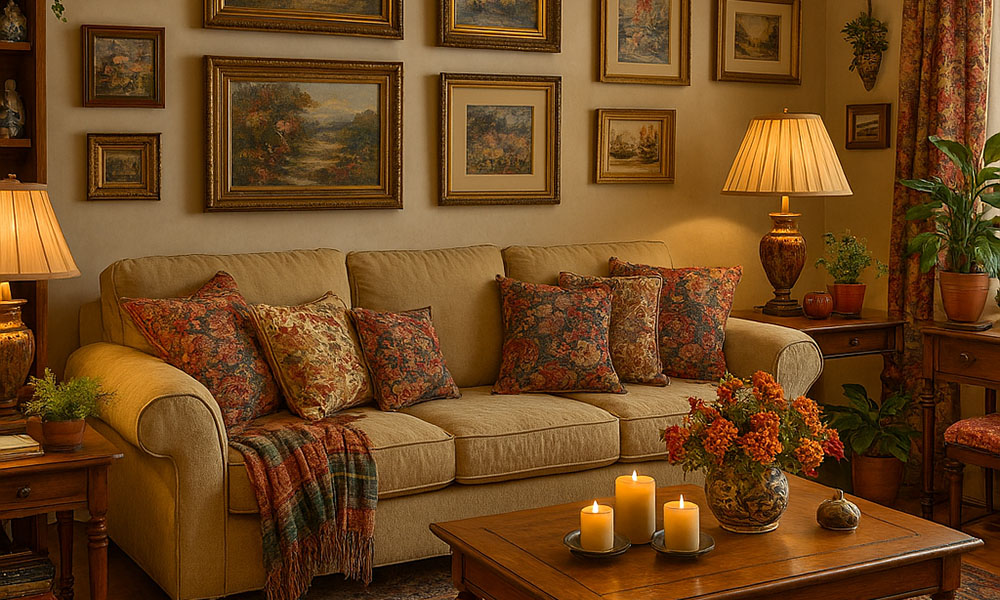
In modern home design, people often strive to create spaces that feel personal, stylish, and comfortable. However, in the pursuit of beauty, it is easy to fall into the trap of over‑decoration—a situation where a room becomes visually overwhelming, cluttered, or functionally compromised because too many decorative elements compete for attention. Over‑decoration is not simply about having “too many things”; it is about losing balance, harmony, and purpose in a living space. Understanding how to identify and correct over‑decoration can help transform a chaotic home into a calm, elegant, and functional environment.
What Is Over‑Decoration?
Over‑decoration occurs when the visual weight of a room becomes excessive. This can happen in several ways:
- Too many colors, patterns, or textures fighting for attention
- Excessive furniture that limits movement
- Too many decorative objects placed without intention
- Walls filled with art or shelves overloaded with items
- A lack of negative space, making the room feel crowded or stressful
In essence, over‑decoration is the opposite of thoughtful design. A well‑decorated room should feel balanced, breathable, and purposeful. When a space feels busy, chaotic, or tiring to look at, it is likely over‑decorated.
How to Correct Over‑Decoration
Correcting over‑decoration does not mean removing personality or style. Instead, it involves editing, simplifying, and choosing elements that truly matter. Some general strategies include:
- Prioritize function over aesthetics
- Remove duplicates or unnecessary items
- Choose a limited color palette
- Allow empty space to exist
- Use decorations intentionally, not randomly
- Focus on one or two focal points per room
The following sections explore how over‑decoration appears in different rooms and how to fix it effectively.
Room‑by‑Room Examples and Solutions
1. Living Room: When Comfort Turns into Clutter
The living room is often the most decorated space in a home, making it the easiest place to over‑decorate. Common signs include:
- Too many throw pillows covering the sofa
- Shelves filled with small figurines, candles, or souvenirs
- Multiple rugs layered without purpose
- Walls covered with mismatched artwork
- Oversized furniture that makes the room feel cramped
How to Fix It
- Limit throw pillows to two or three per sofa, choosing complementary colors.
- Edit shelves by keeping only meaningful or visually cohesive items.
- Choose one rug that fits the room instead of layering several.
- Create a single focal wall instead of decorating every wall.
- Select appropriately sized furniture to maintain open pathways.
A simplified living room feels more spacious, relaxing, and welcoming.
2. Bedroom: A Place for Rest, Not Visual Noise
Bedrooms should promote calmness, but over‑decoration often disrupts this purpose. Signs include:
- Excessive bedding layers, pillows, or blankets
- Too many decorative objects on nightstands
- Bright, bold patterns on every surface
- Overloaded wardrobes or open shelves
- Heavy curtains combined with multiple decorative elements
How to Fix It
- Simplify the bed with essential pillows and one or two layers.
- Keep nightstands minimal, with only a lamp, a book, or a small plant.
- Use soft, neutral colors to create a peaceful atmosphere.
- Store items out of sight to reduce visual clutter.
- Choose one decorative feature, such as a headboard or artwork above the bed, rather than many competing elements.
A clean, calm bedroom improves sleep quality and emotional well‑being.
3. Kitchen: Function First, Decoration Second
Kitchens often become over‑decorated when people place too many items on countertops or hang unnecessary decorations. Signs include:
- Countertops filled with appliances, jars, and décor
- Too many magnets or notes on the refrigerator
- Open shelves overloaded with dishes or ornaments
- Excessive use of colors or patterns in tiles and accessories
How to Fix It
- Clear countertops, keeping only daily‑use items visible.
- Limit refrigerator decorations to a few meaningful notes or photos.
- Organize open shelves with matching dishes or containers.
- Choose simple, cohesive colors for kitchen accessories.
A tidy kitchen not only looks better but also improves cooking efficiency.
4. Bathroom: Small Spaces, Big Mistakes
Bathrooms are usually small, so over‑decoration becomes noticeable quickly. Signs include:
- Too many skincare products displayed
- Multiple decorative items on the sink
- Overly patterned shower curtains, rugs, and towels
- Walls filled with unnecessary artwork
How to Fix It
- Store products inside cabinets instead of leaving them out.
- Choose one or two decorative pieces, such as a plant or candle.
- Use simple textiles to avoid overwhelming the space.
- Keep surfaces clean and open to maintain a fresh feeling.
A minimalist bathroom feels more hygienic and spacious.
5. Home Office: Productivity vs. Distraction
With more people working from home, the home office has become an important space. Over‑decoration here can reduce focus. Signs include:
- A desk covered with stationery, decorations, or gadgets
- Too many posters or wall art pieces
- Shelves filled with items unrelated to work
- Bright, distracting colors
How to Fix It
- Keep the desk surface clear, with only essential tools.
- Use storage boxes to hide extra supplies.
- Choose calming colors like blue, beige, or gray.
- Limit wall decorations to one or two inspiring pieces.
A clean workspace boosts concentration and productivity.
Less Can Truly Be More
Over‑decoration is a common issue in home design, but it is also one of the easiest to fix. By understanding the signs of visual overload and applying thoughtful editing, any room can be transformed into a harmonious, functional, and aesthetically pleasing space. The key is not to remove personality but to highlight it through intentional choices. When every item has a purpose and every space has room to breathe, the home becomes not just beautiful, but truly livable.