
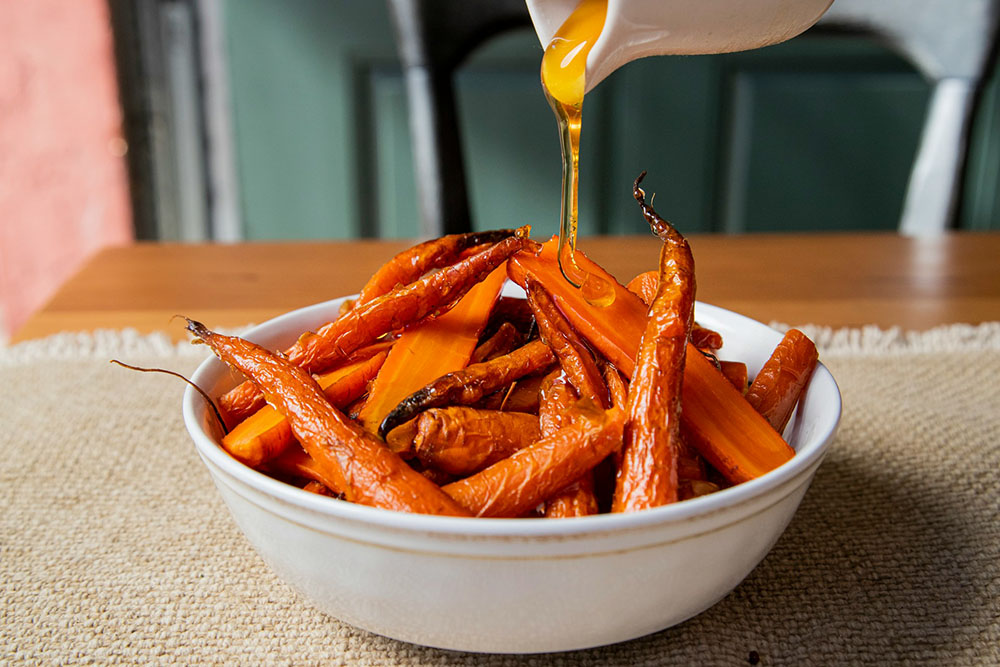
If there’s one kitchen ritual I never get tired of, it’s roasting vegetables. There’s something almost magical about the way simple produce transforms in a hot oven—edges caramelizing, aromas deepening, colors turning richer and more inviting. Over the years, I’ve roasted hundreds of pans of vegetables, from humble carrots to vibrant Brussels sprouts, and I’ve learned that great roasted vegetables don’t happen by accident. They’re the result of a few thoughtful choices, a bit of technique, and a willingness to let the oven do the heavy lifting.
Today, I want to share the roasting tips I swear by—the ones that consistently turn everyday vegetables into golden, irresistible bites that can stand alone as a meal or elevate any dinner plate.
Why Roasting Works So Well
Roasting is one of the most forgiving cooking methods, but it’s also one of the most rewarding. High heat draws out natural sugars, creating that slightly sweet, deeply savory flavor that makes roasted vegetables so addictive. It also encourages crisp edges while keeping the interior tender. When done right, roasted vegetables taste like a celebration of the ingredient itself—no heavy sauces or complicated techniques required.
Tip 1: Cut Everything to Similar Sizes
This might sound basic, but it’s the foundation of even roasting. When vegetables vary wildly in size, some pieces burn while others stay undercooked. I like to think of it as giving every piece a fair chance to shine.
- Carrots, parsnips, and sweet potatoes should be cut into similar batons or cubes.
- Broccoli and cauliflower florets should be roughly the same size.
- Brussels sprouts roast best when halved, especially if they’re large.
Uniformity isn’t about perfection—it’s about consistency.
Tip 2: Crank Up the Heat
If you’ve ever wondered why your roasted vegetables come out soft instead of crisp, the culprit is probably temperature. For most vegetables, 400°F to 425°F (200°C to 220°C) is the sweet spot. This range encourages caramelization without drying everything out.
Lower temperatures can work for delicate vegetables like tomatoes or asparagus, but for hearty roots or cruciferous veggies, don’t be shy with the heat.
Tip 3: Don’t Skimp on the Oil
Oil is what helps vegetables brown beautifully. It also carries flavor and prevents sticking. I’m not saying you need to drown your veggies, but a light, even coating is essential.
My go‑to is extra‑virgin olive oil for its flavor and versatility. For vegetables that benefit from a higher smoke point—like potatoes or squash—you can use avocado oil or grapeseed oil.
A good rule of thumb: toss until everything looks glossy, not greasy.
Tip 4: Give Them Space
This is the tip that changed everything for me. If vegetables are crowded on the pan, they steam instead of roast. That means no crisp edges, no caramelization, and no depth of flavor.
Spread them out in a single layer with a bit of breathing room. If you need to use two pans, do it. Your taste buds will thank you.
Tip 5: Season Early… and Sometimes Late
Salt is essential before roasting—it draws out moisture and enhances flavor. But don’t stop there. Some seasonings bloom better in the oven, while others shine brightest when added afterward.
Season before roasting:
- Salt and pepper
- Garlic powder
- Smoked paprika
- Dried herbs like thyme or oregano
Season after roasting:
- Fresh herbs (parsley, dill, basil)
- Lemon zest or juice
- Grated Parmesan
- A drizzle of balsamic glaze
This layering of flavors creates complexity without extra effort.
Tip 6: Use the Right Pan
A heavy, rimmed baking sheet is your best friend. Avoid glass dishes—they trap moisture and prevent browning. Metal pans conduct heat better and help vegetables crisp up beautifully.
If you want extra browning, preheat the pan in the oven before adding the vegetables. The sizzle when they hit the surface is a good sign.
Tip 7: Know Your Vegetable Personalities
Not all vegetables roast at the same speed. Some are sprinters; others are marathon runners. Mixing them on one pan can work, but you need to be strategic.
Fast roasters (15–20 minutes):
- Zucchini
- Asparagus
- Cherry tomatoes
- Mushrooms
Medium roasters (20–30 minutes):
- Broccoli
- Cauliflower
- Bell peppers
- Brussels sprouts
Slow roasters (30–45 minutes):
- Carrots
- Potatoes
- Sweet potatoes
- Butternut squash
If you’re combining vegetables, start with the slow ones and add the faster ones later.
Tip 8: Don’t Be Afraid of Browning
Those dark, caramelized bits are where the flavor lives. If your vegetables look a little too pale, give them a few more minutes. Rotate the pan halfway through roasting to ensure even color.
I often tell readers: roasted vegetables should look like they’ve spent a little time in the sun.
Tip 9: Add a Finishing Touch
This is where roasted vegetables go from good to unforgettable. A simple finishing touch can brighten, balance, or elevate the entire dish.
Some of my favorites:
- A squeeze of lemon
- A spoonful of pesto
- A sprinkle of flaky sea salt
- A drizzle of tahini
- Toasted nuts or seeds for crunch
These small additions make the dish feel intentional and restaurant‑worthy.
Tip 10: Make Extra—You’ll Thank Yourself Later
Roasted vegetables are incredibly versatile. I always make a double batch because leftovers are a gift.
Use them in:
- Grain bowls
- Salads
- Omelets
- Wraps
- Pasta dishes
- Soups
They reheat beautifully and add instant flavor to any meal.
Bringing Out the Best in Every Vegetable
Roasting vegetables isn’t just a cooking technique—it’s a way to bring out the best in simple ingredients. With a few thoughtful steps, you can turn everyday produce into something deeply satisfying, nourishing, and full of character. Whether you’re cooking for yourself, feeding a family, or hosting friends, a tray of perfectly roasted vegetables never fails to impress.
If you haven’t fallen in love with roasted vegetables yet, trust me—you’re just one good pan away.