
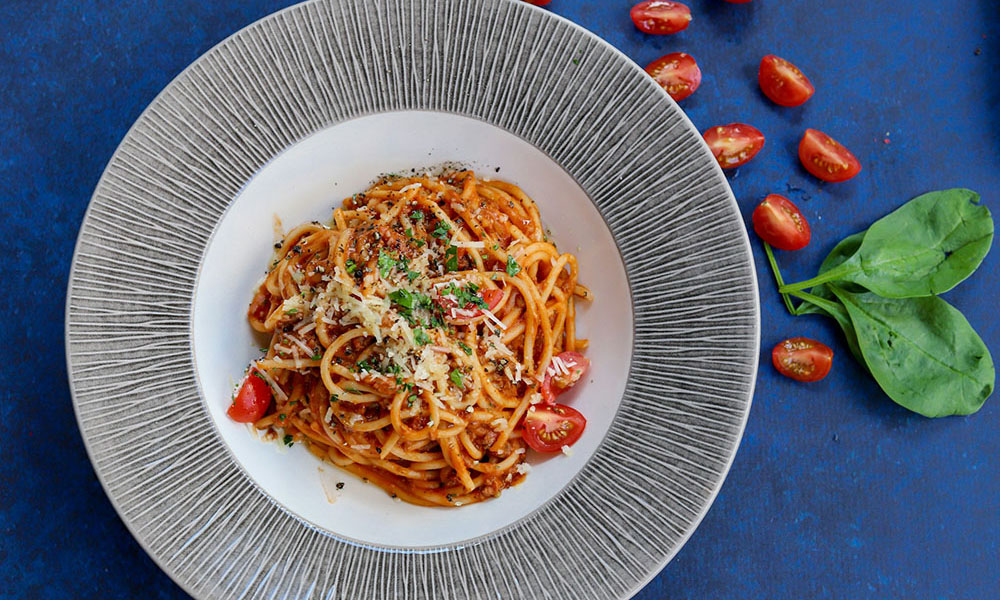
Understanding how different staple foods influence blood glucose is essential for anyone aiming to maintain steady energy levels, support metabolic health, or manage conditions such as diabetes. While carbohydrates are the primary macronutrient affecting blood sugar, the story is far more nuanced. The type of carbohydrate, the amount consumed, the presence of fiber, the cooking method, and even the temperature of the food can dramatically alter the glycemic response.
The following article explores how various staple foods—rice, bread, pasta, potatoes, whole grains, and corn-based foods—affect blood sugar, and how thoughtful preparation and portion control can help moderate their impact.
Carbohydrates and Blood Sugar: A Quick Foundation
Carbohydrates break down into glucose, which enters the bloodstream and raises blood sugar. Two key concepts help explain how foods differ in their effects:
- Glycemic Index (GI): Measures how quickly a food raises blood glucose compared to pure glucose.
- Glycemic Load (GL): Considers both the GI and the portion size, offering a more realistic picture of real-world impact.
A food with a high GI can still have a moderate GL if eaten in small amounts, while a low-GI food can become problematic if consumed in large quantities.
Rice: A Staple with Wide Variation
Rice is one of the most consumed staple foods globally, yet its glycemic impact varies dramatically depending on the type and preparation.
White Rice
- GI: Typically high (70–90)
- Impact: Causes rapid spikes in blood sugar due to low fiber and quick digestion.
- Portion considerations: A standard serving of cooked rice is about ½ cup (90–100 g). Larger portions significantly increase glycemic load.
Brown Rice
- GI: Moderate (50–65)
- Impact: Higher fiber content slows digestion and moderates blood sugar rise.
- Cooking method: Slightly undercooking (al dente) can reduce GI.
Basmati and Jasmine Rice
- Basmati: Lower GI than most white rice due to its amylose content.
- Jasmine: Often higher GI because it contains more amylopectin, which digests quickly.
Cooling and Reheating Rice
Cooling cooked rice increases resistant starch, which lowers GI. Reheated rice retains some of this benefit.
Bread: Highly Variable Depending on Grain and Processing
Bread can range from extremely high GI to surprisingly moderate, depending on ingredients and processing.
White Bread
- GI: High (70–85)
- Impact: Made from refined flour, it digests quickly and spikes blood sugar.
- Portion: One slice is typically 25–30 g of carbohydrate.
Whole Wheat Bread
- GI: Moderate (50–70)
- Impact: More fiber and intact grain structures slow glucose absorption.
- Caveat: Some “whole wheat” breads are still highly processed and behave like white bread.
Sourdough Bread
- GI: Lower than conventional bread
- Reason: Fermentation produces organic acids that slow carbohydrate digestion.
Toasting Bread
Toasting slightly reduces GI by altering starch structure, though the effect is modest.
Pasta: Lower Glycemic Impact Than Many Expect
Pasta often surprises people because it has a moderate GI, especially when cooked properly.
Al Dente Pasta
- GI: 40–55
- Reason: Firm pasta contains tightly packed starch molecules that digest slowly.
- Portion: A typical serving is 1 cup cooked (about 42 g carbohydrates).
Overcooked Pasta
- GI: Increases significantly when pasta becomes soft.
- Impact: Faster digestion leads to quicker blood sugar rise.
Cooling Pasta
Like rice, cooled pasta forms resistant starch, lowering its glycemic impact.
Potatoes: A High-GI Staple with Important Nuances
Potatoes are often considered high-GI foods, but the type and preparation matter.
Russet Potatoes
- GI: Very high (80–110)
- Forms: Mashed potatoes and baked potatoes spike blood sugar quickly.
Waxy Potatoes (Red, New, Fingerling)
- GI: Lower (55–70)
- Reason: Higher amylose content slows digestion.
Cooking Methods
- Boiled and cooled: Lower GI due to resistant starch formation.
- Mashed: Higher GI because the starch is broken down mechanically.
- Fried (fries, chips): High GI and high fat, which slows digestion but increases calorie density.
Whole Grains: The Most Blood-Sugar-Friendly Staples
Whole grains contain fiber, protein, and intact structures that slow glucose absorption.
Oats
- GI: Low to moderate (40–55)
- Steel-cut oats: Lower GI than instant oats.
- Instant oats: Higher GI due to processing.
Quinoa
- GI: Low (50–55)
- Impact: High protein and fiber help stabilize blood sugar.
Barley
- GI: Very low (25–30)
- Reason: Rich in beta-glucan, a soluble fiber that slows digestion.
Corn and Corn-Based Foods: A Mixed Category
Corn’s glycemic impact depends heavily on processing.
Whole Corn Kernels
- GI: Moderate (50–60)
- Impact: Fiber helps slow digestion.
Corn Tortillas
- GI: Moderate (50–60)
- Portion: One tortilla typically contains 12–15 g carbohydrates.
Cornbread
- GI: High (70–90)
- Reason: Often made with refined cornmeal and sugar.
Popcorn
- GI: Moderate, but GL is low due to light weight.
- Impact: Can be a blood-sugar-friendly snack if not drenched in butter or sugar.
Cooking Techniques That Lower Glycemic Impact
1. Choose al dente textures
Pasta and some grains digest more slowly when firm.
2. Cool and reheat starchy foods
Cooling increases resistant starch, lowering GI.
3. Add protein, fat, or fiber
Pairing carbohydrates with:
- lean meats
- legumes
- nuts
- vegetables slows glucose absorption.
4. Control portion sizes
Even low-GI foods can raise blood sugar if eaten in large amounts.
Making Sense of the Glycemic Landscape
Staple foods vary widely in their effects on blood sugar, and the way they are prepared can be just as important as the food itself. Choosing whole grains, cooking foods al dente, cooling and reheating starches, and balancing meals with protein and fiber can all help maintain stable glucose levels. Rather than eliminating carbohydrate-rich staples, understanding their nuances empowers healthier, more sustainable eating patterns.
Which Staple Food Causes the Biggest Blood Sugar Spike for You?