
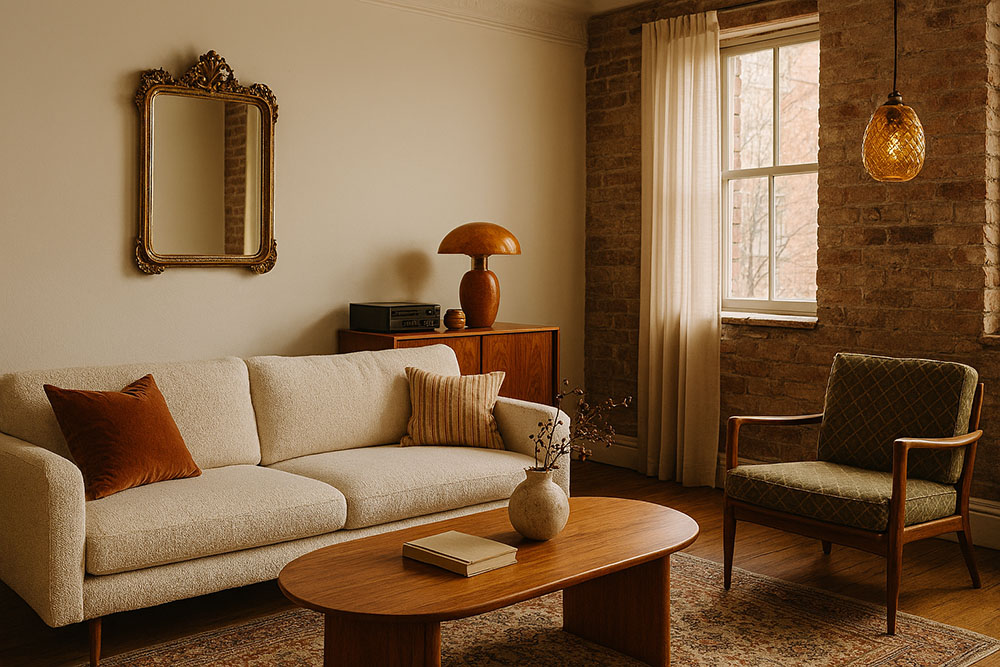
In 2026, Western interior design is undergoing a quiet but powerful transformation. Instead of chasing the newest furniture lines or hyper‑modern aesthetics, homeowners are turning their attention to the past. Vintage pieces, reclaimed materials, and second‑hand treasures are becoming the foundation of stylish, meaningful living spaces. This shift isn’t just about nostalgia — it reflects a deeper desire for authenticity, sustainability, and individuality.
The vintage revival is more than a trend. It’s a cultural movement reshaping how people decorate, consume, and connect with their homes.
Reclaimed Wood and the Beauty of Imperfection
One of the most defining elements of this movement is the renewed love for reclaimed wood. Salvaged beams, weathered planks, and old barn boards are being repurposed into flooring, countertops, shelving, and accent walls. These materials carry the marks of time — knots, scratches, and uneven textures — which add warmth and character to modern spaces.
Homeowners are drawn to reclaimed wood not only for its visual appeal but also for its story. Each piece has lived a life before entering the home, and that sense of history brings depth that new materials often lack. In a world saturated with mass‑produced furniture, the imperfect charm of reclaimed wood feels refreshing and real.
A Retro Revival: 70s Warmth, 80s Glam, and 90s Simplicity
Another major force shaping 2026 interiors is the resurgence of retro aesthetics. Instead of sticking to a single decade, designers are blending elements from the 70s, 80s, and 90s to create eclectic, personality‑driven spaces.
The 70s contribute warm earth tones, curved silhouettes, and amber glass. The 80s bring metallic finishes, mirrored surfaces, and bold lighting. The 90s add clean lines, glass blocks, and minimalist black‑and‑white contrasts. Together, these influences create a layered look that feels nostalgic yet contemporary.
This mix‑and‑match approach allows homeowners to express themselves freely. Every piece becomes a conversation starter, and every room feels intentionally curated rather than decorated by formula.
Second‑Hand Furniture as the New Form of Luxury
In 2026, second‑hand furniture has shed its old reputation as a budget‑friendly compromise. It has become a symbol of taste, craftsmanship, and thoughtful consumption. Many Western homeowners now prefer a beautifully restored vintage dresser over a brand‑new mass‑market alternative.
Mid‑century modern pieces remain especially popular, but interest is expanding to include 19th‑century antiques, 70s Scandinavian designs, and 90s minimalist classics. Younger buyers, in particular, enjoy mixing affordable second‑hand finds with one standout vintage item that anchors the room.
This shift reflects a broader cultural change: people want homes that feel personal, not generic. A well‑chosen vintage piece offers exactly that — uniqueness, quality, and a sense of soul.
Old‑World European Charm Returns
Another striking trend is the revival of Old‑World European aesthetics. Western interiors are embracing the elegance of French, Italian, and British vintage styles, often through second‑hand or antique pieces.
Think ornate mirrors with gold frames, carved wooden sideboards, stone fireplaces, and classical artwork. These elements add a sense of romance and timelessness to modern homes. They also pair beautifully with contemporary furniture, creating a balanced contrast between old and new.
This style resonates with homeowners who want spaces that feel warm, lived‑in, and rich with history.
Vintage Lighting as a Statement Piece
Lighting has become one of the most impactful ways to introduce vintage character into a home. In 2026, retro lighting fixtures are more popular than ever, often serving as the focal point of a room.
Amber glass pendants from the 70s, chrome chandeliers from the 80s, and paper lanterns from the 90s are all making a comeback. These pieces add personality and atmosphere, transforming even the simplest spaces into something memorable.
Because lighting is easy to swap and doesn’t require major renovation, it’s often the first step people take when exploring vintage design.
Sustainable Minimalism: Calm, Natural, and Human
Minimalism is evolving. Instead of the stark, ultra‑clean look that dominated the early 2010s, 2026 introduces a softer, more human version. This new approach embraces natural materials, gentle colors, and second‑hand pieces that add warmth rather than emptiness.
Homes are filled with linen fabrics, wool throws, wooden textures, and neutral tones like cream, sand, and smoke gray. The goal is not perfection but comfort — a space that feels peaceful, grounded, and connected to nature.
This shift reflects a growing desire for calm in a fast‑paced world. People want homes that help them breathe, not homes that feel like showrooms.
Maximalist Vintage for the Bold and Creative
While minimalism is softening, maximalism is flourishing. Many Western homeowners are embracing bold, expressive interiors filled with color, pattern, and personality.
Vintage maximalism often includes gallery walls of second‑hand art, layered antique rugs, patterned wallpaper, and collections of books, ceramics, or curiosities. It’s a joyful, unapologetic style that celebrates abundance rather than restraint.
This trend is especially popular among younger generations who see their homes as creative extensions of themselves.
Why Vintage Is More Than a Trend
The rise of vintage and second‑hand design reflects deeper cultural values:
- Sustainability: Reusing materials reduces waste and environmental impact.
- Individuality: Vintage pieces help create homes that feel unique and personal.
- Connection: Items with history bring emotional depth to a space.
- Quality: Older furniture often lasts longer than modern mass‑produced items.
In a world that moves quickly, vintage design offers something grounding — a reminder that beauty doesn’t always come from what’s new, but from what has endured.
A New Era of Home Design
As 2026 unfolds, it’s clear that the vintage revival is here to stay. Whether through reclaimed wood, retro lighting, curated second‑hand furniture, or Old‑World European charm, Western homeowners are embracing interiors that feel meaningful, soulful, and deeply personal.
This movement isn’t about recreating the past. It’s about honoring it — and weaving its stories into the homes of today.