
Chronic inflammation has become one of the most discussed health topics in recent years. While short-term inflammation is a natural defense mechanism, long-term inflammation can contribute to various health concerns, including fatigue, joint discomfort, digestive issues, and metabolic imbalance. Fortunately, nature offers a powerful toolkit to help the body manage inflammation — and many of these tools are already in your kitchen. In this article, we explore the top anti-inflammatory spices, the science behind their benefits, and practical ways to incorporate them into your daily meals.
1. Turmeric: The Golden Anti-Inflammatory Powerhouse
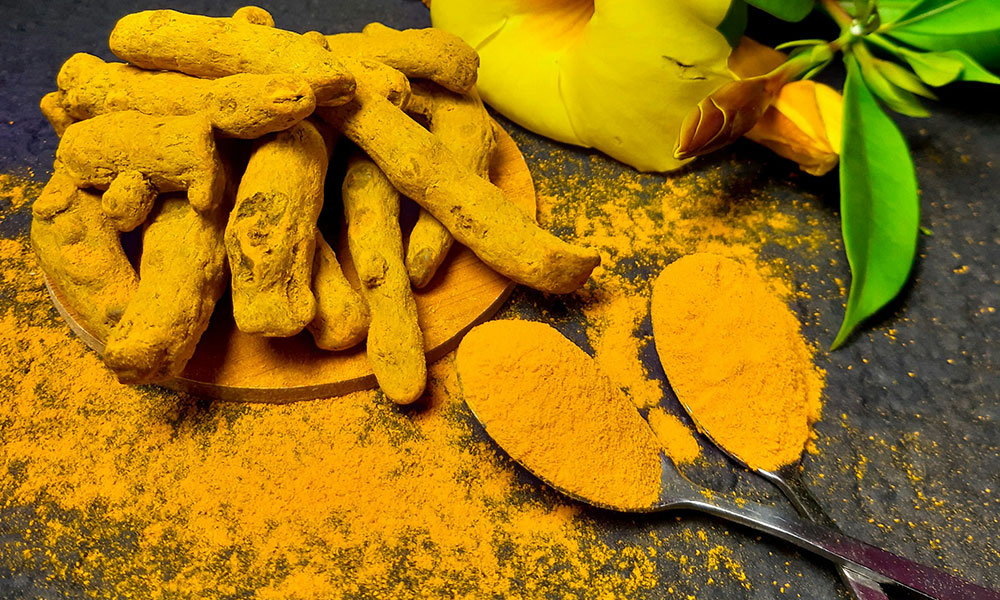
Turmeric is perhaps the most famous anti-inflammatory spice, widely used in traditional Indian and Chinese medicine. Its active compound, curcumin, has been extensively studied for its ability to reduce inflammation at the molecular level. Curcumin works by blocking inflammatory pathways and reducing oxidative stress, which is often linked to chronic inflammation.
Why It Works
- Curcumin inhibits inflammatory enzymes.
- It acts as a strong antioxidant, neutralizing free radicals.
- It supports the body’s natural inflammatory response.
How to Use It
- Add 1 teaspoon to soups, curries, or stews.
- Mix turmeric with warm milk to make “golden milk.”
- Combine with black pepper to enhance curcumin absorption.
2. Ginger: A Natural Soother for the Body
Ginger has been used for centuries to ease digestive discomfort, nausea, and inflammation. Its active compounds, gingerols and shogaols, have strong anti-inflammatory and antioxidant effects.
Why It Works
- Gingerols reduce inflammatory markers in the body.
- It helps relax muscles and tissues affected by inflammation.
- It supports digestive health, which is closely linked to inflammation.
How to Use It
- Brew fresh ginger tea by boiling sliced ginger.
- Add grated ginger to stir-fries, marinades, or soups.
- Use powdered ginger in baking or smoothies.
3. Cinnamon: A Sweet Spice with Powerful Benefits
Cinnamon is more than a delicious addition to desserts — it is rich in polyphenols, which help reduce inflammation and support metabolic health.
Why It Works
- Contains antioxidants that fight oxidative stress.
- Helps regulate blood sugar, reducing inflammation caused by glucose spikes.
- Supports heart health by lowering inflammatory markers.
How to Use It
- Sprinkle cinnamon on oatmeal, yogurt, or fruit.
- Add to coffee or tea for a warm, sweet flavor.
- Use in baking or savory dishes like Moroccan stews.
4. Garlic: A Potent Anti-Inflammatory and Immune Booster
Garlic is known for its strong flavor and even stronger health benefits. Its key compound, allicin, is released when garlic is crushed or chopped, offering anti-inflammatory and antimicrobial properties.
Why It Works
- Allicin reduces inflammatory cytokines.
- Supports immune function, which helps regulate inflammation.
- Acts as a natural antioxidant.
How to Use It
- Eat raw garlic in salads or dips for maximum allicin.
- Add chopped garlic to stir-fries, pasta, or roasted vegetables.
- Mix roasted garlic into sauces or spreads.
5. Black Pepper: The Enhancer of Anti-Inflammatory Effects
Black pepper contains piperine, a compound that not only has anti-inflammatory properties but also enhances the absorption of other beneficial compounds, especially curcumin from turmeric.
Why It Works
- Piperine reduces inflammation and oxidative stress.
- Improves nutrient absorption.
- Supports digestive health.
How to Use It
- Add freshly ground black pepper to almost any dish.
- Combine with turmeric for a synergistic effect.
- Use in marinades, soups, and roasted dishes.
6. Chili Peppers: Heat That Helps Reduce Inflammation
Chili peppers contain capsaicin, a compound known for its warming sensation and anti-inflammatory benefits. Capsaicin is often used in topical creams to relieve joint and muscle discomfort.
Why It Works
- Capsaicin reduces inflammatory signals in the body.
- Helps improve circulation.
- Supports metabolic health.
How to Use It
- Add fresh or dried chili to soups, noodles, or stir-fries.
- Use chili flakes as a topping for pizza or pasta.
- Mix chili powder into sauces or marinades.
7. Rosemary: A Fragrant Herb with Anti-Inflammatory Strength
Rosemary contains rosmarinic acid, a compound known for its antioxidant and anti-inflammatory effects. It is commonly used in Mediterranean cuisine.
Why It Works
- Reduces inflammatory enzymes.
- Protects cells from oxidative damage.
- Supports brain and digestive health.
How to Use It
- Add fresh rosemary to roasted vegetables or meats.
- Use dried rosemary in soups or bread.
- Infuse rosemary in olive oil for cooking.
8. Thyme: A Small Herb with Big Benefits
Thyme is rich in antioxidants and has been used traditionally to support respiratory and immune health.
Why It Works
- Contains thymol, a compound with anti-inflammatory properties.
- Helps reduce oxidative stress.
- Supports immune balance.
How to Use It
- Add thyme to stews, soups, or roasted dishes.
- Use fresh thyme in salads or marinades.
- Combine with lemon and garlic for a flavorful seasoning.
Small Spices, Big Anti-Inflammatory Power
Incorporating anti-inflammatory spices into your daily meals is a simple yet powerful way to support your overall health. These spices work by reducing oxidative stress, calming inflammatory pathways, and enhancing the body’s natural healing processes. Whether you enjoy a warm cup of ginger tea, sprinkle cinnamon on your breakfast, or cook with garlic and rosemary, each small choice contributes to a healthier, more balanced lifestyle.