
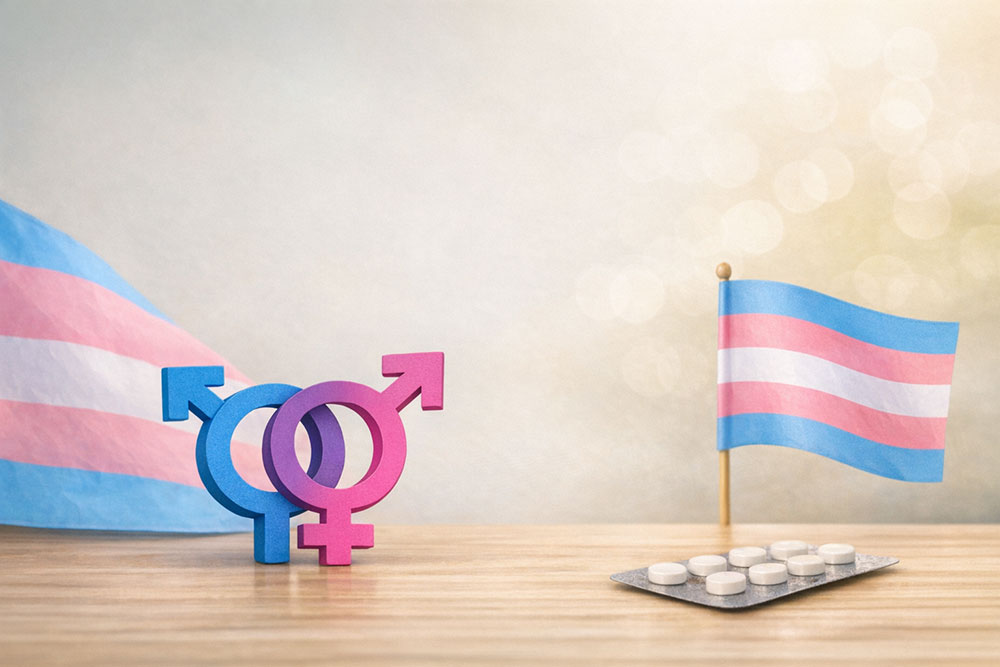
In recent years, “gender‑affirming care” has become one of the most discussed and debated topics across North America. It appears in medical journals, political debates, social media conversations, and community discussions. Yet despite its visibility, the term is often misunderstood or oversimplified. To understand why it has become such a central issue, it is essential to explore what gender‑affirming care actually means, how it is practiced, and why it has become a focal point of public attention.
What Gender‑Affirming Care Really Means
Gender‑affirming care refers to a broad set of social, psychological, and medical practices designed to support individuals whose gender identity differs from the sex they were assigned at birth. Contrary to some misconceptions, it is not a single treatment or a one‑size‑fits‑all approach. Instead, it is a flexible, individualized model of care that adapts to each person’s needs.
At its core, gender‑affirming care aims to reduce gender dysphoria — the distress that can arise when someone’s internal sense of gender does not align with their physical characteristics or how society perceives them. This care can include non‑medical steps such as using a person’s chosen name and pronouns, adopting clothing or hairstyles that reflect their identity, or receiving psychological support. For some individuals, it may also include medical interventions such as hormone therapy or surgeries, but these are only pursued after thorough evaluation and informed consent.
The Social Components of Care
One of the most overlooked aspects of gender‑affirming care is the social dimension. Many people begin their journey by making changes that require no medical intervention at all. This might involve coming out to friends or family, updating their name, or expressing their gender through clothing and behavior. These steps can significantly improve mental well‑being, especially for young people who may feel isolated or misunderstood.
Schools, workplaces, and community organizations increasingly recognize the importance of social affirmation. Policies that respect chosen names, pronouns, and restroom access are becoming more common, reflecting a broader cultural shift toward inclusivity. These changes are often simple to implement but can have profound effects on a person’s sense of safety and belonging.
Psychological Support and Mental Health
Mental health professionals play a crucial role in gender‑affirming care. Therapy is not about convincing someone of their gender identity; rather, it provides a space to explore feelings, navigate social challenges, and manage stress or anxiety. For individuals experiencing gender dysphoria, psychological support can be life‑changing.
Research consistently shows that transgender and gender‑diverse individuals face higher rates of depression, anxiety, and suicidal ideation — not because of their identity itself, but because of stigma, discrimination, and lack of support. Access to affirming mental health care has been shown to reduce these risks dramatically. For many, therapy is the foundation upon which other forms of care are built.
Medical Interventions: What They Are and How They Work
Medical gender‑affirming care is often the most controversial aspect of the topic, yet it is also one of the most carefully regulated. Treatments vary depending on age, health status, and personal goals.
For adolescents experiencing severe gender dysphoria, puberty blockers may be used to pause physical changes that cause distress. These medications are reversible and have been used safely for decades in other medical contexts. For adults, hormone therapy — such as estrogen or testosterone — can help align physical characteristics with gender identity. Some individuals may also pursue surgeries, though these are typically considered only after extensive evaluation and are far less common than public discourse suggests.
Major medical organizations, including the American Medical Association and the American Academy of Pediatrics, support gender‑affirming care as evidence‑based and medically necessary for those who need it. They emphasize that treatment decisions are made collaboratively between patients, families, and healthcare professionals.
Why Gender‑Affirming Care Has Become a Public Debate
Despite strong support from the medical community, gender‑affirming care has become a political flashpoint in parts of North America. Much of the debate centers on minors, with some states proposing or enacting restrictions on certain treatments. Supporters of these restrictions argue that young people should not make irreversible decisions, while opponents emphasize that delaying care can worsen mental health outcomes and increase long‑term risks.
The debate is often emotionally charged, influenced by cultural values, misinformation, and differing beliefs about autonomy and parental rights. As a result, public understanding of gender‑affirming care is frequently shaped by political narratives rather than medical facts.
A Broader Perspective on Human Well‑Being
When viewed through a medical and psychological lens, gender‑affirming care is fundamentally about helping individuals live healthier, more authentic lives. It is not about forcing change but about supporting people in aligning their internal identity with their external reality. For many, this alignment is essential to mental and emotional well‑being.
The growing visibility of transgender and gender‑diverse individuals has brought both progress and challenges. Increased awareness has led to better access to care and greater social acceptance, but it has also sparked backlash and misunderstanding. Navigating this landscape requires empathy, accurate information, and a willingness to listen to the experiences of those directly affected.
A Reasoned View on Gender‑Affirming Care
After examining the medical, psychological, and social dimensions of gender‑affirming care, one conclusion becomes clear: this form of care is not about ideology but about health. The evidence shows that when individuals receive support that aligns with their identity, their mental health improves, their risk of self‑harm decreases, and their overall quality of life rises. Denying or delaying such care does not eliminate the underlying distress — it often intensifies it.
In a world where identity is deeply personal and often complex, gender‑affirming care offers a structured, compassionate way to help people live more comfortably in their own bodies. It is not a universal path, nor is it appropriate for everyone, but for those who need it, it can be transformative. As society continues to debate this topic, the most constructive approach is one grounded in empathy, evidence, and respect for individual experience.
How Do You View Gender Affirming Care in North America Today?