
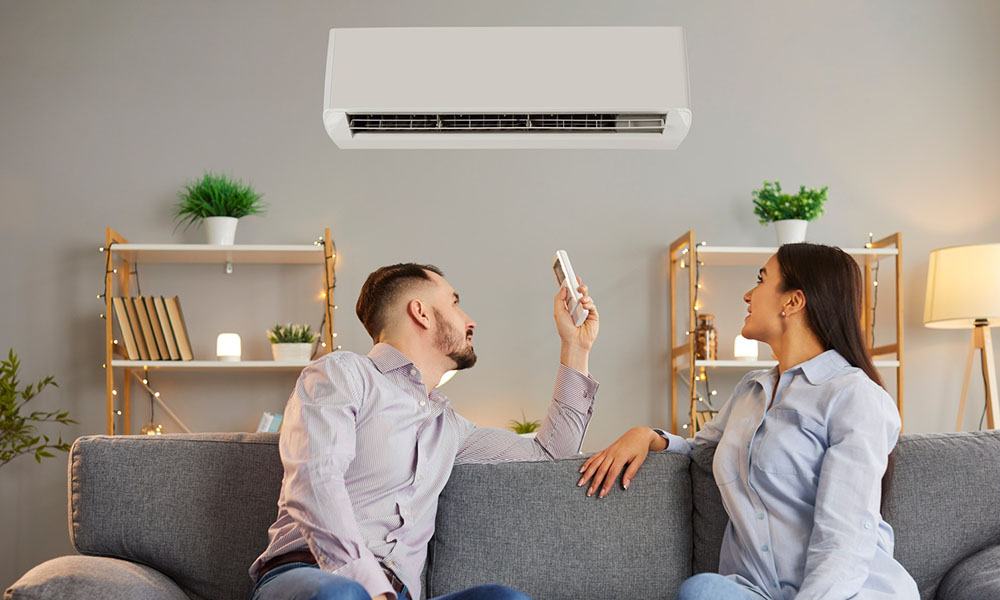
For years, air conditioning was often seen as a luxury in many parts of Europe. While households in countries like the United States have long relied on cooling systems throughout the summer, millions of European homes were built without air conditioning because historically, it simply wasn't considered necessary.
That is beginning to change.
As another summer of intense heat grips much of the continent, consumers are buying air conditioners at a pace that retailers and installers haven't seen in years. Portable air conditioners are disappearing from store shelves, installation appointments are filling up weeks in advance, and many homeowners are reconsidering whether they can continue living through increasingly hot summers without reliable cooling.
The surge in demand reflects more than just one unusually hot season—it signals a broader shift in how Europeans are adapting to a warming climate.
Extreme Heat Is Changing Buying Habits
Europe has experienced several major heat waves over the past few summers, but recent temperatures have pushed many regions beyond what residents consider normal.
Cities across Southern and Western Europe have recorded prolonged periods of extreme heat, with daytime temperatures climbing well above seasonal averages. Even countries known for relatively mild summers have faced uncomfortable conditions that have lasted for days instead of hours.
When temperatures remain high overnight, homes have little opportunity to cool down naturally. Apartments, particularly those located on upper floors, can become increasingly uncomfortable, leading many families to search for practical cooling solutions.
As a result, air conditioners have become less of an optional purchase and more of a necessity for many households.
Portable Air Conditioners Are Leading the Trend
Among all cooling products, portable air conditioners have seen some of the strongest demand.
Unlike traditional split systems, portable units don't require permanent installation or major home renovations. Most simply need access to a power outlet and a nearby window for the exhaust hose.
That flexibility makes them especially attractive for renters and apartment dwellers, who often face restrictions on installing permanent outdoor units.
Another advantage is convenience. Consumers can move portable air conditioners between rooms depending on where cooling is needed most, making them a practical solution during short but intense heat waves.
For many first-time buyers, portability and ease of installation outweigh the slightly lower efficiency compared with fixed systems.
Energy Efficiency Is Becoming More Important
Rising electricity prices have changed the way people shop for cooling appliances.
Instead of choosing the cheapest model available, many buyers are paying closer attention to energy efficiency ratings, inverter technology, and smart temperature controls.
Modern air conditioners consume significantly less electricity than older models while maintaining more consistent indoor temperatures. Some units can even adjust cooling automatically based on room conditions, reducing unnecessary energy use.
Smart features are also becoming increasingly popular. Wi-Fi connectivity allows users to control their air conditioners remotely, schedule operating hours, and monitor electricity consumption through smartphone apps.
For households concerned about both comfort and utility bills, these features have become important selling points rather than luxury extras.
Why Europe Is Different From the United States
The recent surge in European air conditioner sales is particularly noticeable because the region started from a much lower level of household air conditioning.
In the United States, air conditioning has been a standard feature in many homes for decades. Replacing an aging unit or upgrading to a more efficient system is a routine purchase for many American families.
Europe presents a different picture.
Many homes, especially older buildings, were designed to retain heat during cold winters rather than release it during increasingly hot summers. As temperatures continue to rise, homeowners are discovering that fans alone are no longer enough to keep indoor spaces comfortable.
This difference explains why Europe's cooling market is expanding much faster than many mature markets.
More Than Just Comfort
For some people, buying an air conditioner is about convenience. For others, it's becoming an important health decision.
Older adults, young children, and people with chronic medical conditions are generally more vulnerable to extreme heat. Prolonged exposure to high indoor temperatures can increase the risk of dehydration, heat exhaustion, and other heat-related illnesses.
As public awareness grows, more families are investing in cooling systems not simply to improve comfort but to create a safer indoor environment during prolonged heat waves.
Businesses are responding as well. Hotels, offices, and retail stores increasingly recognize that reliable cooling has become an important part of customer experience during the summer months.
The Future of Home Cooling
Industry experts expect demand for residential cooling systems to remain strong if hot summers continue becoming more frequent.
At the same time, governments and manufacturers face an important challenge: expanding access to cooling while reducing energy consumption and environmental impact.
This has encouraged innovation across the industry. Manufacturers are introducing quieter compressors, more efficient refrigerants, improved insulation technologies, and smarter climate control systems designed to provide better cooling with lower electricity use.
Consumers are also becoming more aware that keeping homes cool isn't just about buying an air conditioner. Better insulation, blackout curtains, proper ventilation, and strategic shading can all reduce indoor temperatures and improve energy efficiency.
A Market Shaped by a Changing Climate
The rapid growth of air conditioner sales across Europe reflects a larger change in everyday life.
As summers become hotter and heat waves last longer, cooling is no longer viewed as an occasional luxury in many parts of the continent. Instead, it is increasingly becoming part of how people adapt to changing weather patterns and protect their health at home.
Whether demand continues at today's pace will depend on future weather conditions, energy costs, and advances in cooling technology. But one thing is becoming clear: for many European households, the conversation has shifted from "Do we need an air conditioner?" to "Which one is the right choice for our home?"
Should Local Governments Make It Easier to Install Home Air Conditioning?