
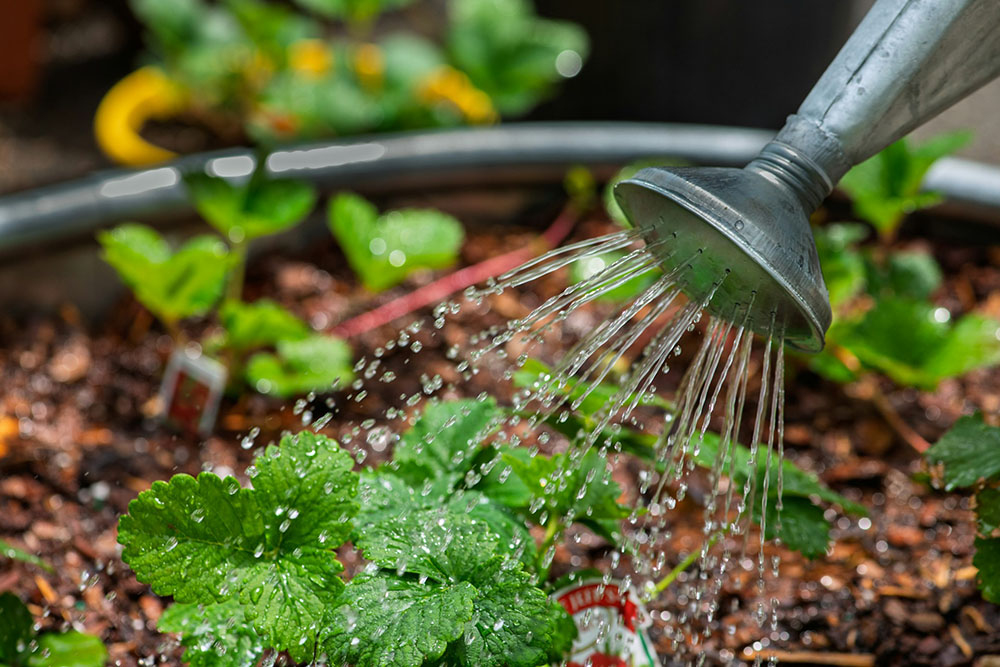
Water is one of the most valuable resources in any garden, but using more of it doesn't always mean healthier plants. In fact, many common watering habits do more harm than good. They can encourage shallow roots, increase the risk of disease, raise your water bill, and send gallons of clean water straight down the driveway instead of into the soil.
Whether you're caring for a small vegetable bed, colorful flower borders, or a large lawn, a few simple changes can make your watering routine far more effective. Here are ten common mistakes that waste water—and what to do instead.
1. Watering During the Hottest Part of the Day
It's tempting to grab the hose when the sun is shining, but midday is usually the least efficient time to water.
High temperatures and direct sunlight cause moisture to evaporate much faster, meaning less water actually reaches the plant roots. While plants won't instantly suffer if you occasionally water in the afternoon, making it a daily habit can waste a surprising amount of water.
Early morning is generally the best time to water because cooler temperatures allow the soil to absorb moisture before the heat of the day arrives.
2. Giving Plants a Little Water Every Day
Many gardeners believe frequent, light watering keeps plants happy. In reality, it often encourages roots to stay close to the soil surface.
Shallow roots dry out quickly, forcing plants to depend on even more frequent watering.
A better approach is to water deeply but less often. Deep watering encourages roots to grow farther into the soil, making plants more resilient during hot, dry weather.
3. Watering the Sidewalk Instead of the Garden
You've probably seen sprinklers spraying sidewalks, driveways, or even parked cars. Besides looking wasteful, that's exactly what it is.
Take a few minutes to adjust sprinkler heads so water lands where it's actually needed. If your irrigation system hasn't been checked in a while, small adjustments can significantly reduce unnecessary water use.
4. Forgetting to Turn Off Sprinklers After Rain
Automatic irrigation systems are convenient, but they're not always smart enough to recognize when nature has already done the job.
If your garden receives a good soaking from rainfall, running the sprinklers immediately afterward rarely benefits your plants.
Many modern irrigation systems include rain sensors or weather-based controllers that pause watering automatically, helping conserve water without requiring constant attention.
5. Overwatering the Lawn
A lush green lawn may look beautiful, but more water doesn't automatically create healthier grass.
Overwatered lawns often develop shallow root systems and become more vulnerable to disease and fungal problems. In many cases, homeowners water simply because it's part of their routine rather than because the grass actually needs it.
Learning to recognize signs of drought stress—such as footprints remaining visible in the grass or blades beginning to curl—can help you water only when necessary.
6. Ignoring Mulch
Mulch is one of the simplest tools for conserving water, yet many gardens go without it.
A layer of organic mulch helps keep soil cooler, slows evaporation, and reduces weed growth that competes for moisture.
Wood chips, shredded bark, straw, or compost can all help soil retain water longer, meaning you'll likely need to water less frequently throughout the growing season.
7. Treating Every Plant the Same
Not all plants have identical watering needs.
Succulents, herbs, vegetables, shrubs, and flowering perennials all thrive under different conditions. Watering everything on the same schedule often means some plants receive far too much while others don't receive enough.
Grouping plants with similar water requirements together makes irrigation more efficient and helps every part of the garden perform better.
8. Wetting the Leaves Instead of the Soil
Spraying water over leaves may seem harmless, but many plants prefer moisture at their roots rather than on their foliage.
Leaves that stay damp for extended periods can become more susceptible to fungal diseases, particularly in warm, humid conditions.
Soaker hoses and drip irrigation systems deliver water directly to the soil where plants can use it most effectively.
9. Waiting Until Plants Look Wilted
Wilted plants often recover after watering, but repeatedly allowing them to reach that stage creates unnecessary stress.
Instead of relying on appearance alone, check the soil first. Insert your finger a couple of inches into the soil. If it still feels moist below the surface, watering can usually wait.
This simple habit prevents both underwatering and overwatering.
10. Forgetting to Check for Leaks
A dripping hose connector or a damaged sprinkler head may not seem like a big problem, but small leaks can waste a surprising amount of water over time.
Inspect your irrigation equipment regularly, especially at the beginning of the growing season. Replacing worn washers or broken sprinkler heads is usually inexpensive and can prevent hundreds of gallons of water from being lost over the course of a summer.
Smarter Watering Starts With Small Changes
Creating a healthy garden isn't about using more water—it's about using water more wisely.
Simple habits like watering early in the morning, applying mulch, fixing leaks, and giving plants a deep soak instead of frequent light watering can make a noticeable difference. You'll likely spend less time watering, lower your water bill, and encourage stronger, healthier plants that are better prepared for hot weather.
The best gardens aren't necessarily the ones that use the most water. They're the ones where every drop is put to good use.