
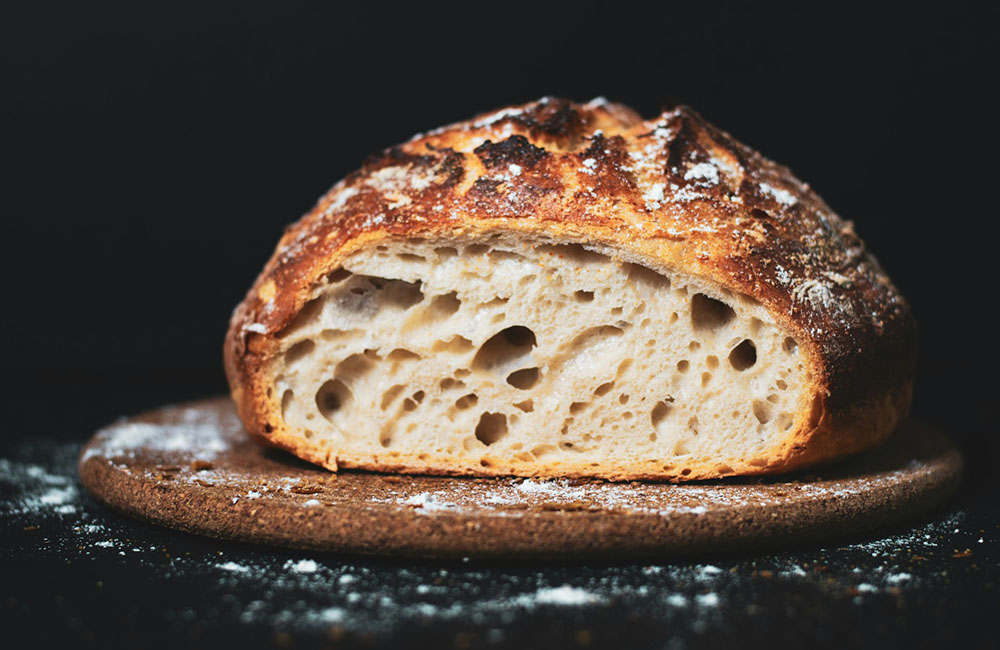
Few things are more disappointing than buying a beautiful loaf of sourdough bread only to find it dry, tough, or oddly chewy a day or two later.
Fresh sourdough has become increasingly popular in recent years. People buy it from local bakeries, farmers' markets, and specialty grocery stores. Some even spend weekends carefully nurturing sourdough starters and baking their own loaves at home.
Yet many people make the same mistake after bringing sourdough home.
They store it as if it were ordinary supermarket bread.
Unfortunately, sourdough behaves differently, and the wrong storage method can dramatically change its texture and flavor far sooner than expected.
The good news is that keeping sourdough fresh doesn't require expensive equipment or complicated techniques. It simply requires understanding how bread naturally ages.
Fresh Sourdough Is Different From Industrial Bread
One of the biggest misconceptions about sourdough is that all bread should be stored the same way.
Most commercially produced sandwich breads contain ingredients designed to extend freshness. They are packaged in sealed plastic bags and often remain soft for several days.
Sourdough is different.
Whether purchased from an artisan bakery or baked at home, sourdough usually contains fewer ingredients and fewer preservatives. The crust and crumb are also designed to create a specific eating experience.
That crunchy exterior and soft interior are part of its appeal.
Unfortunately, those same qualities make sourdough more sensitive to poor storage habits.
The Refrigerator Is Often the Wrong Choice
Many people instinctively put bread in the refrigerator when they want it to last longer.
It seems logical.
After all, refrigeration helps preserve many foods.
Bread is one of the exceptions.
While refrigeration may slow mold growth, it also accelerates the process that causes bread to become stale. As a result, refrigerated sourdough often loses its desirable texture surprisingly quickly.
The loaf may still be safe to eat, but it rarely tastes as good as it did when fresh.
For short-term storage, the refrigerator is usually not the best solution.
Plastic Bags Aren't Always Your Friend
Another common mistake is sealing sourdough in a plastic bag immediately after purchase.
Plastic traps moisture.
While that sounds beneficial at first, excessive moisture can soften the crust and create a texture many sourdough lovers dislike.
A loaf that began with a crisp, crackling crust can become rubbery within hours.
The goal is balance.
Bread needs protection from excessive drying, but it also needs enough airflow to preserve its structure.
This is why many bakers prefer paper bags, bread boxes, or wrapping bread in a clean kitchen towel.
Cutting the Entire Loaf Too Early
Many households slice an entire loaf as soon as they bring it home.
It feels convenient.
The problem is that every cut exposes more of the interior to air.
The exposed crumb dries out faster, reducing the overall lifespan of the bread.
A better approach is to slice only what you need and leave the remaining loaf intact.
Strangely enough, the unsliced portion often protects itself quite effectively.
Many bread enthusiasts even store the loaf cut-side down on a wooden cutting board to reduce air exposure.
Hard Bread Doesn't Mean Bad Bread
One reason people believe their sourdough has gone bad is that it becomes firmer after a day or two.
But stale and spoiled are not the same thing.
Fresh sourdough naturally changes over time.
A loaf that no longer feels perfect for sandwiches might still be excellent for:
- Toast
- Grilled cheese
- Croutons
- Bread pudding
- Breadcrumbs
- Soups and stews
Some people would argue that slightly aged sourdough makes the best toast.
The flavor remains intact even when the texture evolves.
Learning to appreciate bread at different stages can significantly reduce food waste.
Freezing Is Underrated
If sourdough won't be eaten within a few days, freezing is often the most effective option.
Surprisingly, many people avoid freezing bread because they assume it ruins quality.
In reality, freezing preserves freshness more effectively than refrigeration.
The key is freezing at the right time.
Waiting until the loaf is already stale defeats the purpose.
Many experienced bakers freeze bread while it is still fresh.
When needed, slices can be thawed individually or toasted directly from frozen.
This simple habit can keep excellent bread available for weeks without noticeable loss of quality.
Why We Waste So Much Bread
Bread is one of the most commonly wasted foods in many households.
Part of the problem is unrealistic expectations.
Modern consumers have become accustomed to highly processed products that remain unchanged for long periods.
Fresh sourdough behaves more like a natural food.
It changes daily.
Its texture evolves.
Its crust softens.
Its crumb develops.
Rather than fighting those changes, understanding them often leads to better storage decisions and less waste.
Small Habits Make a Big Difference
The difference between great sourdough and disappointing sourdough often comes down to a few simple habits.
Store it thoughtfully.
Avoid unnecessary refrigeration.
Protect it from excessive moisture.
Slice only what you need.
Freeze it before it becomes stale.
None of these steps are difficult.
Yet together they can dramatically improve the experience of enjoying fresh bread at home.
Fresh Bread Was Never Meant to Last Forever
Perhaps the most important thing to remember is that artisan sourdough is not designed to remain identical for a week.
Part of its appeal is that it is a living, changing product.
The loaf you eat on day one will not be exactly the same on day three.
And that's perfectly normal.
In fact, that may be one of the reasons people love it.
Good sourdough isn't just food that sits on a shelf.
It's food that evolves over time.
Understanding that simple reality may be the secret to enjoying every loaf a little more.