
Walk through the produce section of most grocery stores and you'll probably notice a familiar pattern.
Apples are stacked high.
Bananas disappear quickly.
Berries attract attention despite their short shelf life.
Citrus fruits fill entire displays during certain seasons.
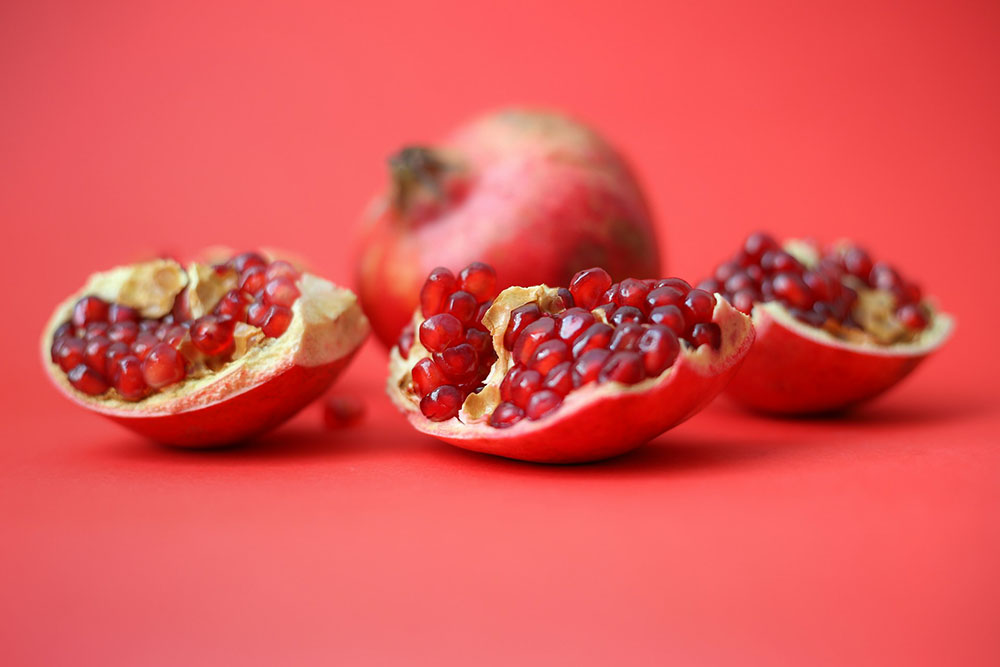
Meanwhile, pomegranates often sit quietly in a corner, waiting for someone to notice them.
It's strange when you think about it.
Pomegranates are colorful, versatile, and packed with flavor. They have been cultivated for thousands of years and appear in cuisines across multiple continents. Yet many people buy them only occasionally, if they buy them at all.
The question is simple:
Has the pomegranate become one of the most underrated fruits in modern kitchens?
The Fruit That Requires a Little Patience
Part of the answer may be convenience.
Many popular fruits are easy to eat.
A banana can be peeled in seconds.
An apple requires almost no preparation.
Grapes can be eaten straight from a bowl.
Pomegranates ask a little more from us.
Before enjoying the fruit, the seeds need to be separated from the thick outer shell. For someone in a hurry, that extra effort can feel discouraging.
The result is predictable.
Many shoppers walk right past pomegranates and choose something easier.
Yet some of the most rewarding foods require a little patience.
A good loaf of sourdough isn't as convenient as packaged bread.
Fresh coffee takes longer than instant coffee.
The same can be said for pomegranates.
A Fruit That Feels More Special
One reason people remember pomegranates is that they rarely feel ordinary.
The jewel-like seeds stand out from nearly every other fruit in the produce section.
Their appearance makes even a simple bowl of fruit look more impressive.
This may explain why pomegranates often appear during holidays, celebrations, and special meals.
They're not just something you eat.
They create an experience.
Even a small handful instantly adds color and texture to salads, yogurt, desserts, and breakfast bowls.
The Flavor Is Difficult to Replace
Pomegranates have a unique balance of sweetness and tartness.
Some fruits are primarily sweet.
Others lean heavily toward acidity.
Pomegranates somehow manage to deliver both at the same time.
That balance makes them surprisingly versatile.
They can work in:
- Fruit salads
- Smoothies
- Grain bowls
- Desserts
- Savory dishes
- Snacks
Not many fruits move comfortably between so many categories.
Why They're Easy to Forget
Despite their strengths, pomegranates face a challenge that many underrated foods share.
They're not part of most people's routines.
Shoppers often buy the same foods repeatedly.
Not because those foods are necessarily best, but because they're familiar.
Many households rotate through the same fruits week after week:
- Apples
- Bananas
- Oranges
- Grapes
- Berries
Pomegranates may not even make the shopping list.
This doesn't mean people dislike them.
They simply forget they're available.
The Seasonal Advantage
Another reason pomegranates feel special is that they aren't always the center of attention.
Certain fruits are available year-round and gradually become part of the background.
Pomegranates often feel more seasonal and occasion-worthy.
When they appear, they bring a sense of variety.
Many food enthusiasts enjoy changing their diets with the seasons rather than eating exactly the same foods all year long.
Pomegranates fit naturally into that approach.
Not Every Food Has to Be Practical
Modern food culture often focuses on efficiency.
We look for:
- Quick meals
- Easy snacks
- Convenient ingredients
That's understandable.
Life is busy.
Yet sometimes the foods we enjoy most aren't the most efficient.
They're the ones that make us slow down for a few minutes.
Pomegranates fall into that category.
Preparing one takes time compared with grabbing a banana or opening a package of berries.
But many people would argue the process is part of the appeal.
There is something surprisingly satisfying about opening a pomegranate and revealing hundreds of bright seeds hidden inside.
The Best Foods Often Create Small Rituals
Think about how people interact with certain foods.
Some foods are consumed almost automatically.
Others become rituals.
Making tea.
Baking bread.
Preparing fresh fruit.
Pomegranates often belong to the second category.
Perhaps that's why they feel memorable.
In a world built around speed and convenience, they encourage a different pace.
Not because they're difficult.
Because they're worth paying attention to.
Maybe It's Time for a Comeback
It's unlikely that pomegranates will ever replace bananas or apples as everyday staples.
They don't need to.
The goal isn't to become the most popular fruit.
The goal is simply to be appreciated for what they are.
A fruit that brings a unique flavor, distinctive texture, and a little bit of occasion to an ordinary meal.
In a kitchen full of familiar choices, pomegranates offer something different.
And perhaps that's exactly why they deserve more attention.
After all, the most underrated foods are rarely the ones nobody likes.
They're usually the ones people forget to buy.