
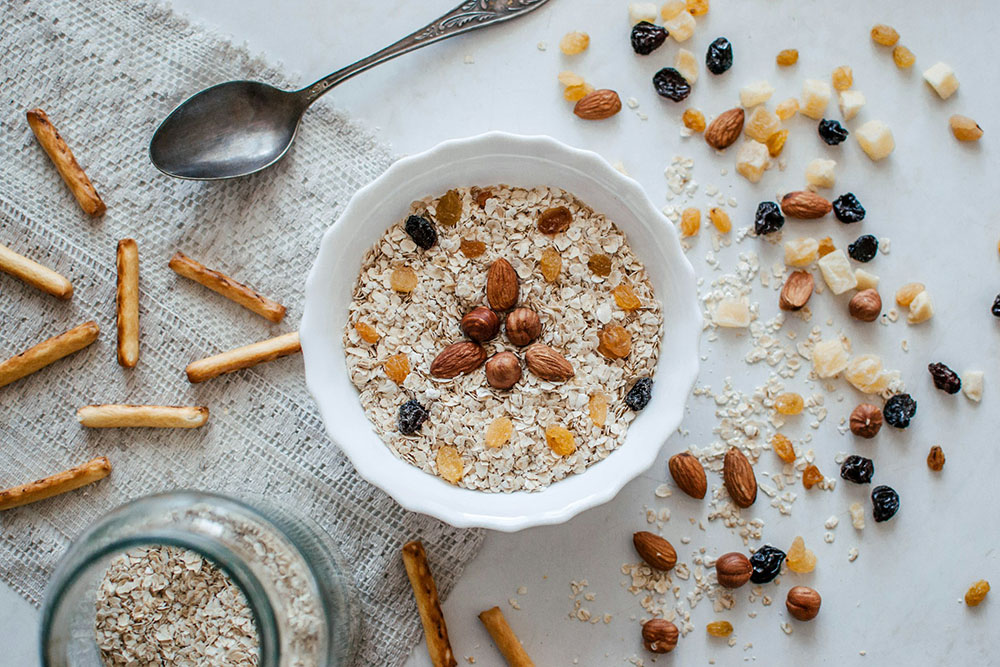
For years, carbohydrates have been caught in the middle of the healthy-eating debate. Bread, rice, pasta, and breakfast cereals are often blamed for weight gain or poor health, while trendy “superfoods” are presented as the better alternative. But the reality is much less dramatic. Grains themselves are not the problem. The type of grain, how much it has been processed, and what you eat with it matter far more.
From a nutrition perspective, whole grains can be an important part of a balanced diet. They provide carbohydrates for energy along with dietary fiber, vitamins, minerals, and various plant compounds. The trick is knowing which grains are worth reaching for regularly—and understanding that a product labeled “multigrain” isn't necessarily a whole-grain food.
Here are some of the grains that deserve a place on your plate.
Start With the Whole Grain
Before comparing oats, brown rice, quinoa, or barley, there is one distinction worth understanding: whole grains and refined grains aren't the same thing.
A whole grain contains the bran, germ, and endosperm of the grain. Refining removes the bran and germ, which also removes some of the grain's fiber and nutrients.
That doesn't make every refined grain “bad,” but whole grains generally make it easier to increase fiber and nutrient intake.
This is why labels matter. A loaf of bread described as “multigrain” may contain several types of grain without actually being made primarily from whole grains. Likewise, a breakfast cereal can contain grains while also being loaded with added sugar.
When shopping, look for terms such as whole grain or whole wheat and check the ingredient list rather than relying entirely on the front of the package.
Oats: More Than Just a Breakfast Staple
Oats are probably one of the easiest whole grains to incorporate into everyday meals.
One reason they receive so much attention is their beta-glucan, a type of soluble fiber. Regularly eating foods containing beta-glucan as part of a balanced diet can help support healthy cholesterol levels.
Oats are also versatile. They can become a simple bowl of oatmeal, overnight oats, homemade granola, or even a savory meal topped with vegetables and an egg.
The main thing to watch is what gets added to them.
Plain oats topped with fruit, nuts, seeds, or yogurt are very different from an oatmeal product containing large amounts of added sugar. The grain hasn't changed, but the overall nutritional profile of the meal certainly can.
Barley Deserves More Attention
If oats are the familiar choice, barley is the underrated one.
Barley is another grain that provides beta-glucan and dietary fiber. It has a pleasantly chewy texture and works particularly well in soups, stews, grain bowls, and salads.
It also has an advantage that isn't talked about enough: barley can make a meal feel substantial without requiring complicated preparation.
Pearled barley is more processed than whole-grain barley, although it can still contribute useful nutrients and fiber. For people who aren't accustomed to eating barley, even incorporating it occasionally can be an easy way to add variety to their diet.
One important note: barley contains gluten, so it isn't suitable for people who need to avoid gluten for medical reasons.
Brown Rice Is a Simple Upgrade
For people who eat rice regularly, brown rice can be an uncomplicated way to introduce more whole grains.
Compared with white rice, brown rice retains more of the grain's outer layers and generally provides more fiber and nutrients.
But there's no need to turn this into a “white rice versus brown rice” battle.
If you strongly prefer white rice, replacing part of it with brown rice, barley, quinoa, or another whole grain is perfectly reasonable. Eating a varied diet matters more than finding one perfect carbohydrate.
You can also mix grains. A combination of brown rice and another grain can provide different textures while making the transition to more whole grains easier.
Quinoa Is Nutritious—but It Isn't Magic
Quinoa became a health-food celebrity for a reason. It provides protein and a range of minerals, and its protein profile is particularly useful for people looking for more plant-based sources.
But there is no need to treat quinoa as the only “healthy” grain.
In fact, quinoa's popularity sometimes creates the misleading impression that ordinary grains are somehow inferior. They aren't.
Oats, barley, brown rice, whole wheat, and other whole grains can all contribute valuable nutrients. Quinoa is simply another useful option.
It also happens to be naturally gluten-free, making it an option for people who avoid gluten.
The bigger lesson is that variety beats obsession with a single superfood.
Don't Overlook Buckwheat
Despite its name, buckwheat isn't actually wheat. It is a naturally gluten-free seed that is commonly used in ways similar to grains.
Buckwheat can be found in noodles, porridge, pancakes, and grain-based dishes. It also provides fiber and various plant compounds.
For anyone who gets bored eating the same oatmeal or brown rice every week, buckwheat offers an easy way to change things up.
Food doesn't have to be complicated to be nutritious. Sometimes simply rotating the ingredients you already eat can improve the overall variety of your diet.
Whole Wheat Still Has a Place at the Table
Whole wheat doesn't have the trendy image of quinoa or ancient grains, but it remains a practical choice.
Whole-grain bread, whole-wheat pasta, and other whole-grain wheat products can provide fiber and nutrients while fitting naturally into meals that people already enjoy.
The important distinction is between whole wheat and refined wheat products.
A slice of whole-grain bread topped with eggs and vegetables can be part of a balanced breakfast. A highly refined, sugary baked product made primarily from refined flour is a different nutritional proposition.
You don't necessarily need to give up bread or pasta. Choosing whole-grain versions more often may be a much more realistic approach.
What About Millet and Corn?
Millet doesn't get nearly as much attention in Western health conversations as oats or quinoa, but it is a nutritious grain that can add variety to the diet. It provides carbohydrates, fiber, and several minerals and can be used in porridge, grain bowls, or mixed-grain dishes.
Corn is another grain that is often overlooked because people tend to think of it as a vegetable. Whole corn provides carbohydrates, fiber, and various plant compounds and can easily fit into a balanced meal.
Neither needs to be marketed as a “miracle food.” Their value is simpler: they give you another way to diversify the grains you eat.
The Label Can Tell You More Than the Marketing
Walking through a supermarket, it is easy to assume that brown packaging, words like “natural,” or phrases such as “made with grains” automatically mean a product is healthy.
They don't.
A granola bar can contain oats and still have a considerable amount of added sugar. A loaf of bread can contain multiple grains without being primarily whole grain. A breakfast cereal can advertise its fiber content while also containing a long list of added ingredients.
This doesn't mean these foods can never be eaten. It simply means the grain shouldn't be the only thing you consider.
Look at the whole food, not just the health claim on the front of the package.
You Don't Need to Pick One “Best” Grain
One of the easiest mistakes in nutrition is turning a useful food into a competition.
Is oats better than quinoa? Is brown rice healthier than barley? Should everyone replace bread with buckwheat?
There isn't a single answer that works for everyone.
Different grains offer different nutritional profiles, textures, flavors, and cooking possibilities. More importantly, the healthiest choice is often the one that you actually enjoy and can incorporate into your normal meals.
You might have oatmeal for breakfast, whole-grain bread at lunch, rice with dinner, and barley in a soup later in the week. There is no requirement to eat the same “super grain” every day.
The Grain You Can Actually Keep Eating
Healthy eating doesn't have to involve constantly searching for the newest ingredient.
Oats, barley, brown rice, quinoa, buckwheat, millet, and whole wheat can all have a place in a balanced diet. What matters most is choosing whole or minimally processed options more often, getting enough fiber, and building meals around a variety of nutritious foods.
If you're currently eating very little whole grain, you don't need to completely overhaul your diet overnight. Start by replacing one refined grain with a whole-grain option. Add some oats to breakfast, choose whole-grain bread, or mix brown rice with your usual rice.
Small changes are easier to maintain than dramatic food rules.
And perhaps that is the most useful nutrition advice of all: the healthiest grain isn't necessarily the trendiest one. It's the one that fits naturally into a varied diet you can enjoy for years.