
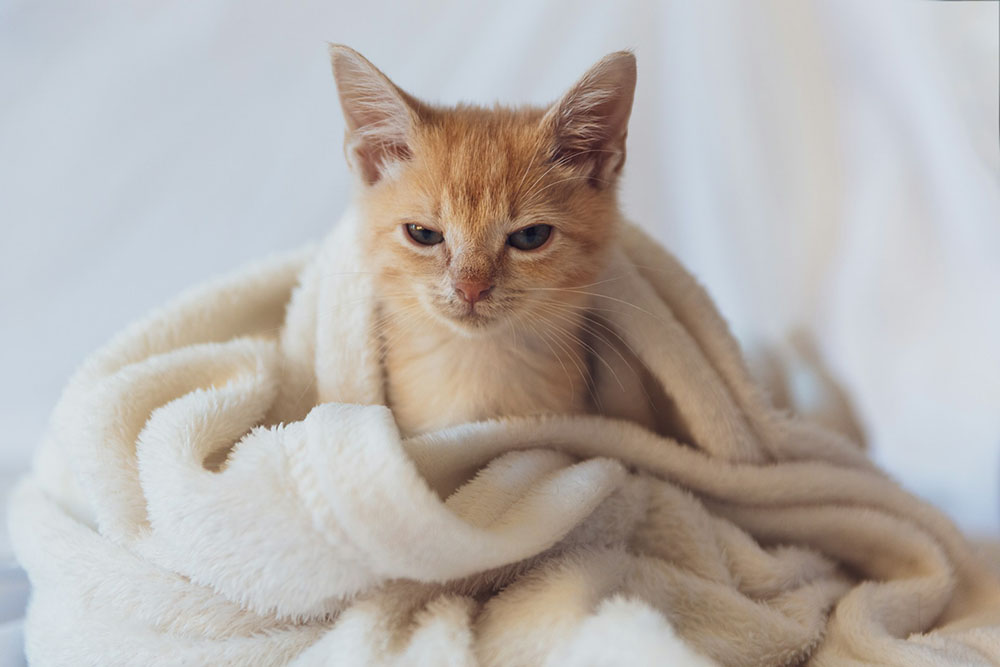
Picture this: you’re curled up on the sofa, your cat beside you, when suddenly it lets out a tiny sneeze. At first it’s adorable, but then you notice watery eyes, a runny nose, and less enthusiasm for dinner. The thought crosses your mind—is my cat coming down with a cold?
Yes, Cats Can Get Sick
Cats don’t catch the same viruses that make humans sniffle, but they do suffer from upper respiratory infections that look a lot like our colds. These are usually caused by feline herpesvirus or calicivirus, and they spread easily among cats, especially in shelters or multi-cat households. Stress, poor diet, or exposure to chilly drafts can also lower a cat’s defenses.
Signs You Shouldn’t Ignore
A cat with a “cold” may:
- Sneeze repeatedly
- Have nasal discharge or congestion
- Show watery or crusty eyes
- Lose interest in food
- Seem unusually tired
- Run a mild fever
Most cats bounce back within a week or so, but some may struggle longer, especially if complications set in.
Helping Your Cat Feel Better
When your feline friend is under the weather, small acts of care make a big difference:
- Warmth matters: Keep their resting spot cozy and free from drafts. Cats instinctively seek warmth when sick.
- Hydration is key: Offer fresh water often. Wet food or a little chicken broth can tempt reluctant drinkers.
- Food with aroma: Congested cats can’t smell well, so warming up wet food or offering something strong-smelling like tuna may spark appetite.
- Gentle cleaning: Wipe away eye or nose discharge with a damp cloth to keep them comfortable.
- Moist air: A humidifier or a short stay in a steamy bathroom can ease breathing.
- Reduce stress: Stick to familiar routines and avoid sudden changes.
- Know when to call the vet: If your cat refuses food for more than a day, struggles to breathe, or shows symptoms beyond two weeks, professional help is essential.
Prevention Is Always Better
Vaccines against herpesvirus and calicivirus don’t guarantee immunity, but they reduce severity. Keeping the home clean, minimizing stress, and avoiding exposure to sick cats all help. A balanced diet and regular playtime also strengthen immunity.
A Final Word for Cat Lovers
Seeing your cat sneeze or look miserable can tug at your heart. The good news is that most feline colds are mild and pass with attentive care. By offering warmth, hydration, and patience, you’re not just treating symptoms—you’re showing your cat the love and security it needs to heal. Healthy cats bring joy, comfort, and companionship, and a little extra care during illness ensures they’ll be back to their playful selves in no time.