
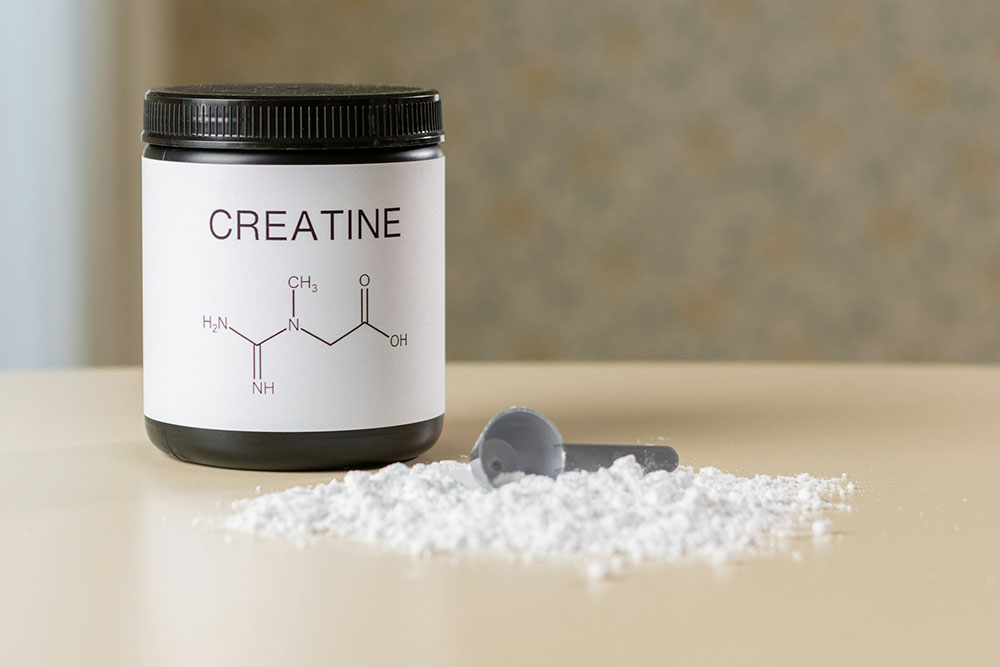
Creatine has become one of the most widely researched and popular supplements in the world of sports, fitness, and even cognitive health. While many associate it solely with bodybuilders or athletes seeking explosive strength, creatine is far more than just a “muscle supplement.” It is a naturally occurring compound in the human body, a critical player in energy metabolism, and a potential aid for people across different age groups. Understanding what creatine is, who benefits most from it, how it should be used, and how its effects vary with age can help individuals make informed decisions about supplementation.
What Is Creatine?
Creatine is a nitrogen-containing organic acid synthesized primarily in the liver, kidneys, and pancreas from amino acids such as arginine, glycine, and methionine. About 95% of the body’s creatine is stored in skeletal muscle, where it plays a vital role in the rapid regeneration of adenosine triphosphate (ATP)—the body’s primary energy currency. During short bursts of high-intensity activity, such as sprinting or weightlifting, ATP is quickly depleted. Creatine helps replenish ATP through the phosphocreatine system, allowing muscles to sustain effort for longer and recover faster.
Creatine is also found in foods like red meat and fish, though dietary intake alone is often insufficient to maximize muscle creatine stores. This is why supplementation has become common among athletes and fitness enthusiasts.
Who Should Use Creatine?
Although creatine is safe and effective for most healthy individuals, certain groups stand to benefit more than others:
- Athletes in high-intensity sports: Sprinters, weightlifters, football players, and anyone engaged in short-duration, explosive activities can experience improved performance, strength, and recovery.
- Older adults: Research suggests creatine may help counteract age-related muscle loss (sarcopenia), improve functional strength, and even support cognitive health.
- Vegetarians and vegans: Because creatine is primarily found in animal products, individuals following plant-based diets often have lower baseline creatine levels. Supplementation can help bridge this gap.
- Students and professionals: Emerging evidence indicates creatine may enhance cognitive performance, particularly under conditions of mental fatigue or sleep deprivation.
How Should Creatine Be Used?
The most common and well-studied form of supplementation is creatine monohydrate. It is affordable, widely available, and consistently proven effective. Usage typically follows two approaches:
- Loading phase (optional): 20 grams per day, divided into 4 doses, for 5–7 days. This rapidly saturates muscle creatine stores.
- Maintenance phase: 3–5 grams per day thereafter to maintain elevated levels.
Alternatively, individuals can skip the loading phase and simply take 3–5 grams daily. This approach takes longer to reach full saturation but avoids potential gastrointestinal discomfort.
Creatine should be taken consistently, ideally with meals containing carbohydrates and protein, which may enhance uptake into muscle cells. Hydration is also important, as creatine increases water retention within muscle tissue.
Age-Related Differences in Creatine Use
Creatine’s effects and benefits vary across age groups, making it important to tailor expectations and usage:
- Adolescents (under 18): While creatine is not inherently unsafe, most experts recommend caution. The adolescent body is still developing, and long-term studies in this group are limited. For young athletes, a balanced diet and proper training should be prioritized before supplementation.
- Young adults (18–35): This group experiences the most pronounced benefits. Creatine supplementation can significantly enhance athletic performance, muscle growth, and recovery. It is especially useful for those engaged in competitive sports or intensive training.
- Middle-aged adults (35–55): At this stage, natural muscle mass and strength begin to decline. Creatine can help maintain lean body mass, support exercise performance, and reduce fatigue. It may also provide cognitive benefits, making it valuable for professionals under mental stress.
- Older adults (55+): Creatine supplementation has shown promise in combating sarcopenia, improving balance, and reducing fall risk. Additionally, studies suggest potential neuroprotective effects, making it relevant for age-related cognitive decline. For seniors, creatine combined with resistance training can be a powerful tool for maintaining independence and quality of life.
Safety and Considerations
Creatine is one of the most rigorously studied supplements, with decades of research confirming its safety when taken at recommended doses. Common concerns such as kidney damage have not been supported by scientific evidence in healthy individuals. However, those with pre-existing kidney conditions should consult a healthcare professional before use. Minor side effects may include water retention and occasional stomach discomfort, but these are generally manageable.
Final Rep
Creatine is not simply a supplement; it is a reservoir of energy, resilience, and potential. From the explosive sprint of a young athlete to the steady strength of an older adult, creatine fuels the body and mind across generations. Just as the last rep defines progress in training, understanding creatine defines progress in health and performance.