
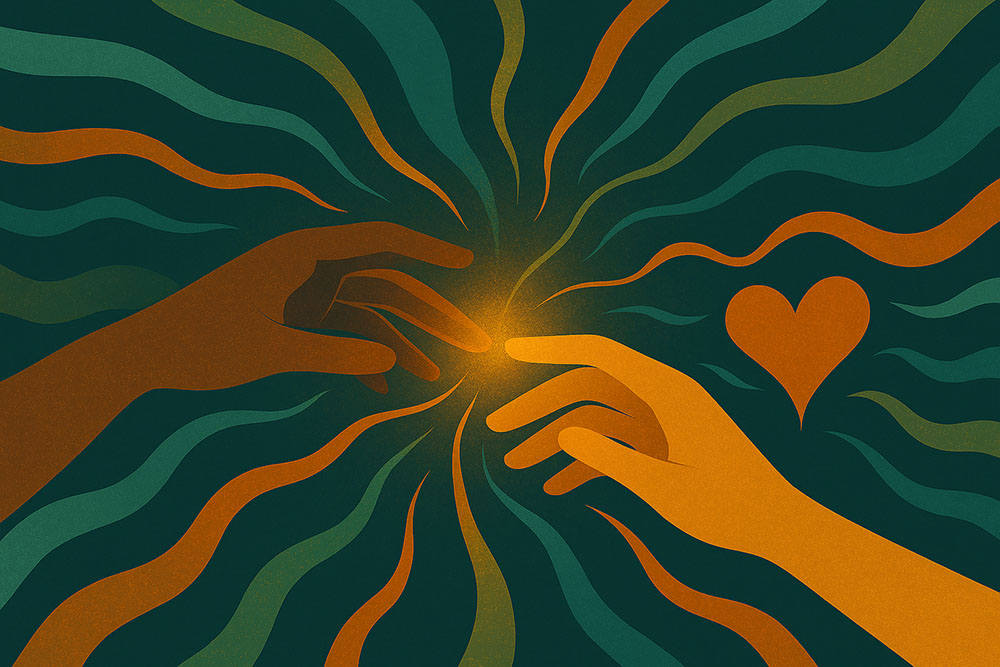
In recent years, the term empath has gained significant attention in psychology discussions, self‑help communities, and popular culture. Although not an official clinical diagnosis, an empath is generally understood to be someone with an unusually high capacity to sense, absorb, and internalize the emotions of others. According to sources such as WebMD and Verywell Mind, empaths are individuals who are extremely attuned to the feelings and emotional states of people around them, often to the point of experiencing those emotions as if they were their own. This heightened sensitivity can be both a gift and a challenge, influencing how empaths navigate relationships, work environments, and daily life.
What Does It Mean to Be an Empath?
The concept of an empath stems from the broader idea of empathy — the ability to understand and share the feelings of another person. However, empaths experience empathy on a deeper, more intense level. While most people can recognize when someone is sad or stressed, an empath may feel that sadness or stress in their own body. WebMD describes empaths as people who are “extremely attuned to the feelings and emotions of others,” often blurring the line between their own emotional state and that of those around them.
This sensitivity can manifest emotionally, mentally, and even physically. Some empaths report feeling drained after being around large groups, overwhelmed by strong emotions in others, or unusually sensitive to environmental stimuli such as noise, conflict, or chaotic surroundings. The Cleveland Clinic notes that empaths often take on the stress of others and may feel overwhelmed in crowded spaces.
How to Tell If You Are an Empath
Determining whether you are an empath involves observing your emotional patterns, reactions, and sensitivities. While there is no formal diagnostic test, several common signs are widely recognized in psychological literature and expert commentary.
1. You Absorb Other People’s Emotions
One of the clearest indicators is the tendency to internalize the emotions of others. If someone near you is anxious, you may suddenly feel anxious yourself. If a friend is grieving, you may feel heavy or sad even without discussing the situation. Verywell Mind highlights this emotional absorption as a core trait of empaths.
2. You Are Highly Sensitive to Social and Environmental Stimuli
Empaths often react strongly to loud noises, bright lights, or chaotic environments. They may avoid crowded places because the emotional “noise” becomes overwhelming. This sensitivity is not limited to emotions — it can extend to sensory experiences as well.
3. You Have Strong Intuition
Many empaths rely heavily on intuition. They may sense tension in a room before anyone speaks or feel that something is “off” without concrete evidence. This intuitive awareness often guides their decisions and interactions.
4. You Are Deeply Affected by Media and Stories
Violent movies, tragic news, or emotionally intense stories can be difficult for empaths to handle. They may feel emotionally shaken long after the content is over.
5. People Naturally Confide in You
Because empaths are caring, attentive, and emotionally receptive, others often feel comfortable sharing their problems with them. While this can be meaningful, it can also become emotionally draining.
6. You Need More Alone Time Than Most People
Empaths frequently require solitude to recharge. Being around others — even loved ones — can be exhausting when emotional boundaries are thin.
If several of these traits resonate with you, it is possible that you fall into the category of an empath.
Challenges Empaths Face in Daily Life
Being an empath is not inherently negative. In fact, empaths often excel in roles that require compassion, communication, and emotional intelligence. However, their heightened sensitivity can also create difficulties.
Emotional Overload
Absorbing the emotions of others can lead to chronic stress, fatigue, or emotional burnout. Without boundaries, empaths may feel responsible for solving everyone’s problems.
Difficulty Setting Boundaries
Empaths often struggle to say no, fearing they might hurt or disappoint others. This can lead to overcommitment and emotional exhaustion.
Vulnerability to Manipulation
Because empaths are naturally giving and understanding, they may attract individuals who take advantage of their kindness.
Sensory Overstimulation
Crowded or noisy environments can be overwhelming, making daily tasks like commuting or attending social events more challenging.
How Empaths Can Thrive in Life and Work
Despite these challenges, empaths can flourish when they learn to manage their sensitivity and protect their emotional well‑being. Here are practical strategies supported by mental‑health experts:
1. Establish Clear Emotional Boundaries
Learning to distinguish between your emotions and those of others is essential. Techniques such as mindfulness, journaling, or grounding exercises can help you stay centered.
2. Practice Saying No
Empaths often feel compelled to help everyone, but it is important to recognize your limits. Saying no is not selfish — it is necessary for emotional health.
3. Create a Personal Recharge Routine
Whether it’s spending time alone, walking in nature, meditating, or engaging in creative hobbies, empaths need regular downtime to restore their energy.
4. Limit Exposure to Overwhelming Environments
If crowds or loud spaces drain you, plan breaks or choose quieter alternatives when possible. Noise‑canceling headphones or calming music can also help.
5. Seek Supportive Relationships
Surround yourself with people who respect your sensitivity rather than exploit it. Healthy relationships provide balance and emotional safety.
6. Use Your Strengths Professionally
Empaths often excel in careers involving communication, caregiving, creativity, or problem‑solving. Roles such as counseling, teaching, writing, design, or leadership can be fulfilling when boundaries are maintained.
Living as an Empath in a Complex World
To live as an empath is to move through the world with an open emotional lens — one that captures subtleties others may overlook. This sensitivity is not a flaw but a distinct way of experiencing human connection. When empaths learn to honor their emotional boundaries, protect their energy, and embrace the strengths that come with deep perception, they can transform their sensitivity into clarity, compassion, and purpose. Understanding what it means to be an empath is ultimately an invitation to live with intention: to feel deeply without losing oneself, and to navigate life with both awareness and resilience.