
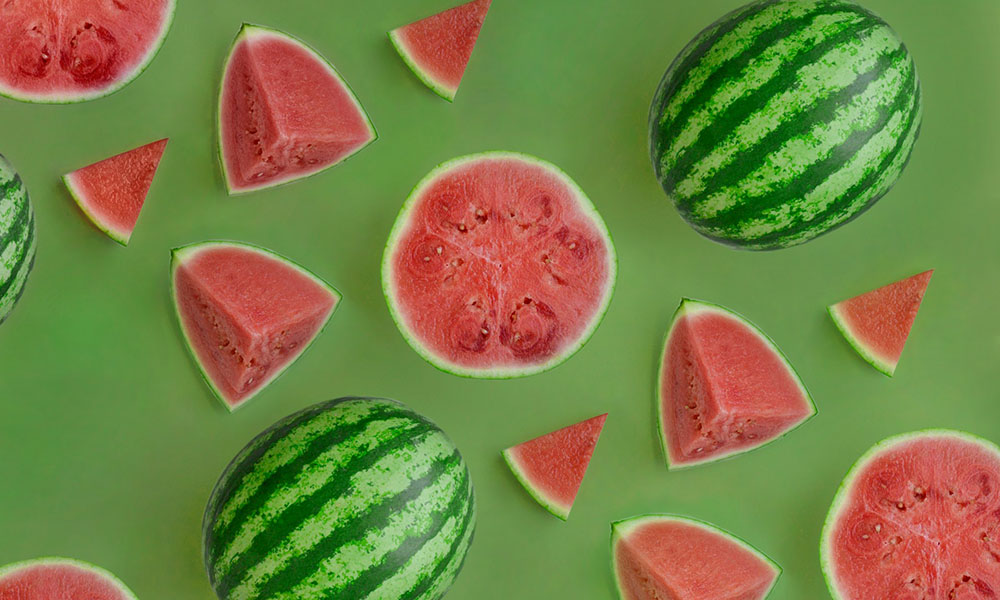
When summer arrives and temperatures climb, few foods feel as refreshing as watermelon. Its bright color, sweet flavor, and high water content make it a seasonal favorite across the world. But as juicing becomes increasingly popular, many people wonder: Is eating fresh watermelon more nutritious, or does drinking watermelon juice offer greater health benefits? Although both come from the same fruit, the way they are processed changes their nutritional profile in meaningful ways. Understanding these differences can help you make smarter choices for hydration, digestion, and overall wellness.
Whole Fruit vs. Juice: A Fundamental Difference
At first glance, watermelon and watermelon juice might seem nearly identical. After all, juice is simply the liquid extracted from the fruit. However, the process of blending or juicing alters the structure of the food, especially its fiber content. This structural change affects how quickly nutrients are absorbed, how full you feel, and how your blood sugar responds.
Whole watermelon contains natural dietary fiber—though not a large amount, it still plays an important role. Fiber slows digestion, helps regulate blood sugar, and contributes to a sense of fullness. When watermelon is turned into juice, most of this fiber is lost or broken down. As a result, the juice is absorbed more quickly by the body, which can be both beneficial and problematic depending on your health goals.
Nutrient Retention: What Stays and What Changes?
Watermelon is known for its high water content (over 90%), but it also contains several valuable nutrients. These include vitamin C, vitamin A precursors, potassium, and antioxidants such as lycopene, the compound responsible for its red color.
When watermelon is juiced, most vitamins and minerals remain intact. Vitamin C, for example, is water‑soluble and transfers easily into the juice. Potassium and other electrolytes also remain present. However, the absence of fiber means the body absorbs these nutrients more rapidly, which can cause a sharper rise in blood sugar.
Interestingly, some research suggests that lycopene may become more bioavailable in juice form. Because the cell walls of the fruit are broken down during blending, the antioxidant becomes easier for the body to absorb. This means that, in certain cases, watermelon juice may offer a slight advantage for antioxidant uptake.
Blood Sugar Response: A Key Health Consideration
One of the most important differences between whole watermelon and watermelon juice is their effect on blood sugar. Watermelon already has a moderately high glycemic index (GI), meaning it can raise blood glucose relatively quickly. When juiced, the GI becomes even higher because the fiber that slows sugar absorption is removed.
For most healthy individuals, this is not a major concern when consumed in moderation. But for people who are monitoring their blood sugar—such as those with diabetes or insulin resistance—whole watermelon is generally the safer choice. The slower digestion and steadier glucose response make it a more balanced option.
Satiety and Calorie Intake: Why Juice Can Be Misleading
Another important factor is how full each option makes you feel. Eating watermelon requires chewing, which naturally slows down consumption and gives your body time to register fullness. In contrast, drinking watermelon juice is quick and effortless. You can easily consume the equivalent of several large slices of watermelon in a single glass without realizing it.
This difference can lead to unintentional overconsumption of calories and sugar. While watermelon is not a high‑calorie food, drinking large amounts of juice can add up quickly. For individuals trying to manage their weight, whole watermelon is typically the better choice because it promotes satiety and reduces the likelihood of overeating.
Hydration and Convenience: Where Juice Shines
Despite its drawbacks, watermelon juice does offer some advantages. Because it is absorbed quickly, it can be an excellent choice for rapid hydration, especially after exercise or during hot weather. The natural sugars and electrolytes help replenish energy levels, making it a refreshing alternative to commercial sports drinks.
Watermelon juice is also convenient for people who have difficulty chewing or who prefer drinking their nutrients. It can be easily incorporated into smoothies, post‑workout drinks, or light breakfasts.
Digestive Health: Fiber Makes the Difference
Fiber is essential for digestive health, and even though watermelon is not a high‑fiber fruit, the small amount it contains still contributes to gut function. Fiber helps maintain regular bowel movements, supports beneficial gut bacteria, and slows the absorption of sugars.
Watermelon juice, lacking this fiber, does not offer the same digestive benefits. For individuals dealing with constipation or seeking to improve gut health, whole watermelon is clearly the superior option.
So Which One Should You Choose?
The answer depends on your goals:
- For overall nutrition, digestive health, and blood sugar stability: Whole watermelon is the better choice.
- For rapid hydration, convenience, and enhanced antioxidant absorption: Watermelon juice can be beneficial in moderation.
- For weight management: Whole watermelon is preferable because it is more filling and less likely to lead to excess calorie intake.
- For athletes or people needing quick energy: Watermelon juice can be a refreshing, natural option.
A Balanced Perspective
Ultimately, both watermelon and watermelon juice have their place in a healthy diet. They offer hydration, vitamins, minerals, and antioxidants that support overall well‑being. The key is understanding how processing affects the fruit’s nutritional profile and choosing the form that best aligns with your personal health needs.
If you enjoy the refreshing sweetness of watermelon, there is no need to avoid juice entirely—just be mindful of portion sizes and consider pairing it with foods that contain fiber or protein to balance its effects. And when in doubt, the whole fruit remains the more nutrient‑dense and digestion‑friendly option.