
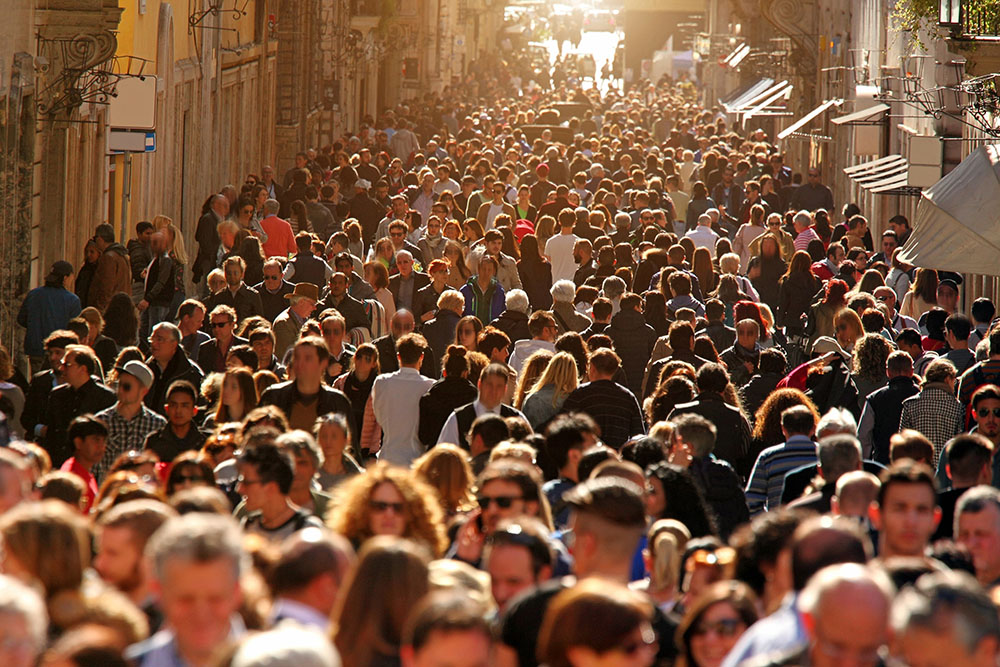
For millions of people, traveling to Europe is a dream. Historic streets, world-famous landmarks, beautiful coastlines, and vibrant local culture attract visitors from around the globe every year. Tourism supports countless businesses, creates jobs, and helps preserve many cultural sites that might otherwise struggle to survive.
But for the people who actually live in these destinations, tourism isn't always experienced the same way.
In recent years, a growing number of European cities have found themselves dealing with a new challenge: overtourism. The issue isn't that tourists are unwelcome. Rather, it's that some destinations receive so many visitors during peak seasons that everyday life becomes increasingly difficult for local residents.
As travel continues to rebound and international tourism grows, more communities are asking an important question: How much tourism is too much?
When Popular Becomes Overcrowded
Most cities welcome visitors, especially because tourism brings significant economic benefits. Restaurants, hotels, museums, transportation services, and local shops all depend on travelers.
The problem begins when visitor numbers grow faster than a city's infrastructure can comfortably handle.
Narrow historic streets become packed from morning until late at night. Public transportation is filled with visitors carrying luggage. Popular attractions require reservations weeks in advance, while local residents sometimes avoid areas they once enjoyed because they're simply too crowded.
For many people, daily routines become slower and more frustrating during the busiest months of the year.
Housing Is Becoming Harder to Afford
One of the biggest concerns linked to overtourism is housing.
In many popular destinations, apartments that once housed local families have been converted into short-term vacation rentals. Property owners can often earn more by renting to tourists than by signing long-term leases.
As a result, fewer homes remain available for residents, pushing rents higher and making it increasingly difficult for young people and middle-income families to stay in the neighborhoods where they grew up.
For many communities, this has become one of the most emotional parts of the overtourism debate because housing affects far more than tourism—it shapes the long-term future of the city itself.
Local Businesses Are Changing
Tourism helps many small businesses thrive, but it can also change the character of a neighborhood.
Stores that once served local residents may gradually shift toward souvenirs, fast food, or products aimed primarily at visitors. Traditional markets, neighborhood cafés, and family-run shops sometimes struggle to compete with businesses designed to capture tourist spending.
Residents often notice that everyday services become harder to find while tourist-focused businesses continue to expand.
The result is a neighborhood that remains busy but begins to feel less connected to the people who actually live there.
More Visitors Mean More Pressure on Public Spaces
Parks, beaches, public squares, and transportation systems all experience greater demand during peak travel seasons.
Larger crowds naturally create more litter, longer queues, and increased maintenance costs. Historic buildings and natural attractions also require additional protection as millions of visitors pass through each year.
Local governments often face the challenge of balancing public access with preservation. Closing popular sites entirely isn't realistic, but allowing unlimited visitor numbers can gradually damage the very places people travel to see.
Finding that balance has become one of the biggest challenges for many destinations.
Tourism Still Brings Important Benefits
Despite growing concerns, relatively few people argue that tourism should disappear altogether.
Tourism supports millions of jobs across Europe and provides income for hotels, restaurants, museums, transportation companies, tour guides, and countless small businesses.
Many cultural festivals, historic landmarks, and public attractions also rely on tourism revenue for maintenance and restoration.
The discussion today is less about whether tourism is good or bad and more about how it can grow without overwhelming local communities.
Cities Are Looking for Better Solutions
Rather than discouraging visitors completely, many destinations are experimenting with ways to spread tourism more evenly.
Some cities encourage travel during quieter seasons instead of concentrating demand in the summer. Others promote lesser-known neighborhoods and nearby towns to reduce pressure on famous landmarks.
Several destinations have introduced stricter rules for short-term rentals, while others have adjusted tourist taxes or required advance reservations for especially popular attractions.
These approaches won't eliminate overtourism overnight, but they reflect a broader effort to make tourism more sustainable for both visitors and residents.
A Better Trip Benefits Everyone
Most travelers want the same thing: an authentic experience and a welcoming destination.
Choosing to visit outside peak season, supporting locally owned businesses, respecting neighborhood rules, and exploring places beyond the most famous landmarks can make a meaningful difference. Small decisions made by individual travelers may seem insignificant, but together they help reduce pressure on communities that welcome millions of visitors every year.
At the same time, cities will continue searching for policies that protect local quality of life without losing the economic and cultural benefits that tourism brings.
Overtourism isn't simply about crowded streets or long lines. It's about finding a balance where visitors can enjoy unforgettable experiences while local residents continue to enjoy the places they call home.