
Summer camping in the U.S. often feels like a race—crowded trailheads, packed parking lots, and campgrounds booked solid long before June. But step just a little off the usual routes and a different kind of summer appears: quiet lakes, empty beaches, and forests where the loudest sound is your own footsteps. These eight campgrounds are the kind of places people fall in love with and hesitate to share, simply because they still feel wonderfully undiscovered.
1. North Cascades — Colonial Creek Campground (Washington)
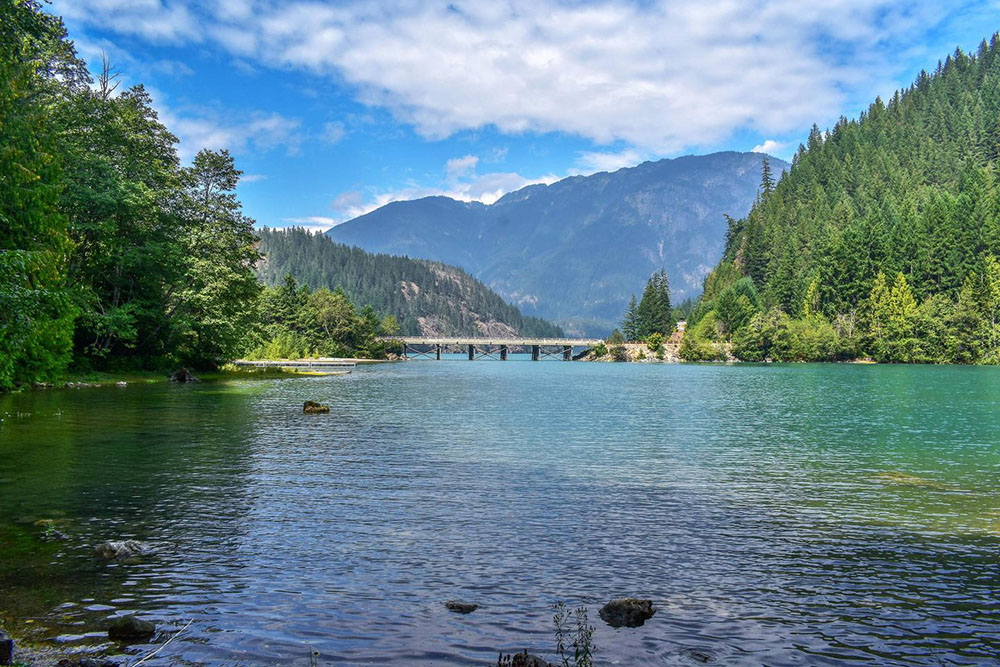
Diablo Lake’s unreal turquoise water is the first thing you notice; the silence is the second. Colonial Creek sits right at the edge of the lake, surrounded by steep mountains and thick forest. Even in midsummer, mornings can feel crisp and calm. Despite scenery that rivals the Canadian Rockies, this part of Washington remains surprisingly quiet. If you want dramatic mountain views without the crowds of Rainier or Olympic, this is where you go.
What to know: Even in July, the glacier‑fed lake keeps the air cool after sunset. Morning fog is common, especially near the water. There’s no cell service, so download offline maps before you arrive. Campsites close to the lake can feel damp overnight.
2. Bighorn National Forest — Sibley Lake Campground (Wyoming)
While most visitors rush toward Yellowstone, the Bighorn Mountains offer a calmer, more intimate version of Wyoming’s wild beauty. Sibley Lake is peaceful and reflective, especially early in the day when the water turns into a mirror for the surrounding pines. Nights bring crisp air and a sky full of stars. It’s the kind of place where you sit down for a moment and end up staying for hours.
What to know: Afternoon thunderstorms roll through quickly in midsummer, so keep rain gear handy. Temperatures can drop sharply after sunset. Mosquitoes are active near the shoreline—repellent helps. Firewood collection is limited, so check local rules.
3. Pictured Rocks — Twelvemile Beach Campground (Michigan)
Lake Superior doesn’t behave like a lake—it feels like an inland ocean. Twelvemile Beach Campground sits right on the sand, with waves rolling in and long stretches of shoreline that stay quiet even in July. Sunsets paint the sky in soft pinks and oranges, and the cool breeze off the water makes summer nights especially comfortable. It’s a perfect escape for anyone who loves the coast but not the crowds.
What to know: Lake Superior’s weather changes fast—fog can appear out of nowhere. Nights are colder than you expect, even in August. Campsites closest to the water get steady wave noise, which some people love and others don’t. Book early through recreation.gov.
4. Lassen Volcanic — Manzanita Lake Campground (California)
Manzanita Lake is calm and glassy, with Lassen Peak rising behind it like a painting. The volcanic landscape gives the whole area a quiet, otherworldly feel. It’s one of California’s most overlooked parks, which is exactly why it’s so enjoyable. You can paddle across the lake, wander through forests, or explore the park’s geothermal features without feeling rushed.
What to know: Lassen sits at higher elevation, so nights can be surprisingly cold. Smoke from regional wildfires may drift in during late summer—check air quality updates before you go. The park has limited services, so bring what you need.
5. Schoodic Woods — The Quiet Side of Acadia (Maine)
Most travelers never leave Acadia’s main island, which makes the Schoodic Peninsula feel like a secret. The coastline is rugged and dramatic, with waves crashing against granite ledges and seabirds circling overhead. The campground is modern and thoughtfully designed, and the cool Atlantic breeze keeps summer heat at bay. It’s Acadia, but without the traffic jams.
What to know: Fog can roll in quickly along the coast. Trails are rocky and uneven, so sturdy shoes help. Cell service drops off near the shoreline. Even in summer, evenings can feel chilly because of the ocean wind.
6. Great Basin National Park — Wheeler Peak Campground (Nevada)
Great Basin is remote, and that’s exactly its charm. Wheeler Peak Campground sits high in the mountains, surrounded by ancient bristlecone pines and some of the darkest night skies in the country. On clear nights, the Milky Way stretches overhead in a way that feels almost unreal. If you’re looking for solitude and stargazing, this is one of the best places in the West.
What to know: The campground sits above 9,000 feet—expect thin air, cold nights, and strong sun. Afternoon storms can form quickly, so check mountain weather forecasts before hiking. Bring extra water; services are limited.
7. Sawtooth National Forest — Redfish Lake Campground (Idaho)
The Sawtooth Mountains rise sharply behind Redfish Lake, their jagged peaks reflected in water so clear you can see the stones beneath. Wildflowers bloom along the trails, and mornings often start with a soft layer of mist drifting across the lake. It’s a place that feels both wild and welcoming, perfect for hikers, photographers, and anyone who loves alpine scenery.
What to know: This is one of the few “underrated but still popular” spots—arrive early for the best campsite selection. Afternoon winds can make the lake choppy, so plan paddling for the morning. Nights cool down quickly because of the elevation.
8. Ozark National Forest — Richland Creek Campground (Arkansas)
Hidden deep in the Ozarks, Richland Creek is surrounded by waterfalls, emerald pools, and dense green forest. The water stays cool all summer, making it perfect for swimming after a long hike. It’s simple, quiet, and refreshingly unpolished—ideal for travelers who want nature without the noise.
What to know: The road in can be rough after rain—check forest road conditions before driving. The area is humid, so gear dries slowly. Expect creek crossings on many trails; bring shoes that can get wet.
Which Underrated U.S. Campground Would You Choose for a Summer Escape?