
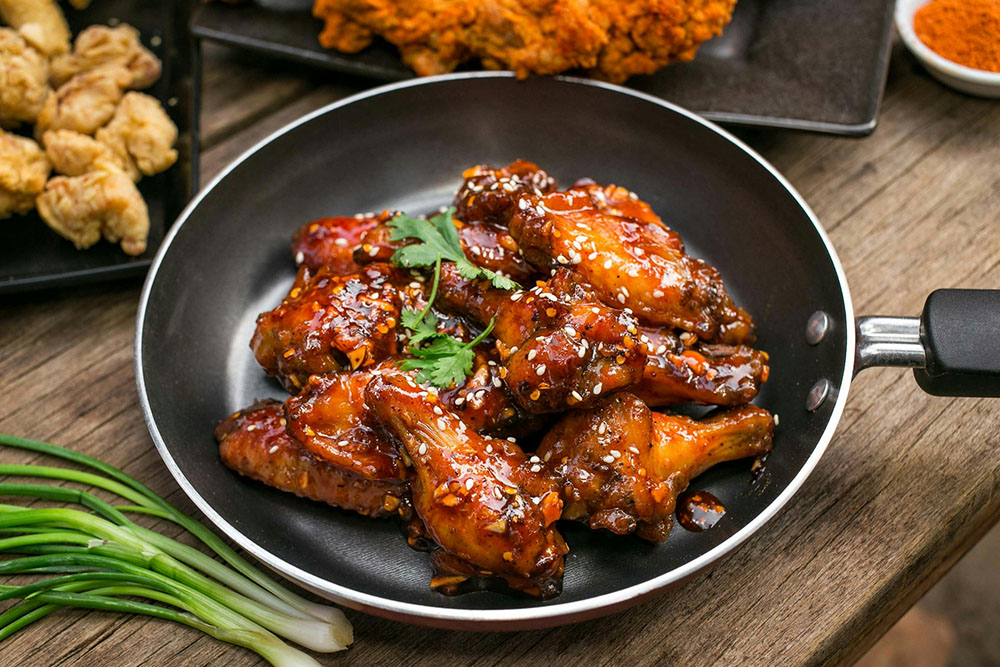
Chicken has always held a special place in American kitchens. It is affordable, versatile, and deeply woven into the country’s culinary identity. From the smoky backyards of the South to the fast‑paced diners of New York, chicken appears in countless forms, each reflecting a different region and cooking tradition. What makes these dishes truly American is not only their flavor but also the techniques behind them—methods shaped by history, migration, and local ingredients. In this article, we will explore several iconic chicken dishes and take a closer look at how each one is prepared.
Fried Chicken: A Southern Icon
Few foods represent the American South as vividly as fried chicken. The cooking method is deceptively simple, yet every household has its own guarded secrets. Traditionally, the chicken pieces are soaked in buttermilk, which tenderizes the meat and helps the coating stick. After marinating, the chicken is dredged in seasoned flour—usually a mixture of salt, pepper, paprika, garlic powder, and sometimes cayenne for heat.
The real magic happens in the frying. Southern cooks often use cast‑iron skillets because they retain heat evenly. The chicken is fried slowly at a moderate temperature so the crust becomes crisp while the inside stays juicy. The result is a golden, crunchy exterior that cracks open to reveal tender, flavorful meat.
Buffalo Wings: A New York Creation
Buffalo wings originated in Buffalo, New York, and have since become a national obsession. Unlike fried chicken, wings are usually not marinated. Instead, they are deep‑fried plain, without any breading. This allows the skin to become thin and crisp.
Once fried, the wings are tossed in a signature sauce made from melted butter and hot sauce, typically Frank’s RedHot. The combination creates a tangy, spicy glaze that clings to every corner of the wing. They are often served with celery sticks and blue cheese dressing to balance the heat.
BBQ Chicken: Smoke, Fire, and Patience
Barbecue chicken varies widely across the country, but the core idea remains the same: slow cooking over low heat. The chicken is first coated with a dry rub—usually a blend of brown sugar, paprika, chili powder, and other spices. It is then placed on a grill or smoker, where it cooks slowly for an hour or more.
Near the end of cooking, the chicken is brushed with barbecue sauce, a sweet and tangy mixture of tomato, vinegar, sugar, and spices. The sauce caramelizes over the heat, forming a sticky glaze that defines American BBQ.
Chicken Pot Pie: Comfort in a Crust
Chicken pot pie is a classic comfort dish, especially popular in colder months. The cooking process begins with making a creamy filling. Chicken pieces are simmered with onions, carrots, peas, and celery in a buttery roux‑based sauce. The sauce thickens into a rich stew that becomes the heart of the dish.
This filling is then poured into a pie dish and covered with a flaky pastry crust. The pie is baked until the top turns golden brown and the filling bubbles underneath.
Chicken Caesar Salad: Light but Flavorful
Though Caesar salad originated in Mexico, the chicken Caesar salad has become a staple in American cafés. The chicken is usually grilled after being marinated in olive oil, lemon juice, garlic, and black pepper.
Once cooked, the chicken is sliced and placed over romaine lettuce tossed with Caesar dressing—a creamy mixture of anchovies, Parmesan cheese, garlic, and lemon. Croutons add crunch, while the grilled chicken provides warmth and protein.
Chicken Tacos: A Blend of Cultures
Chicken tacos reflect the influence of Mexican cuisine on American food culture. The chicken is typically seasoned with cumin, chili powder, garlic, and lime juice, then sautéed or grilled. The cooking method is quick, allowing the spices to bloom without drying out the meat.
The chicken is served in soft tortillas and topped with salsa, avocado, shredded lettuce, or sour cream.
Why These Dishes Endure
These chicken dishes endure because they are more than recipes—they are stories. Each cooking method, whether slow smoking, deep frying, or simple grilling, carries the history of a region and the creativity of the people who shaped it. Together, they form a living, evolving portrait of American food culture.