
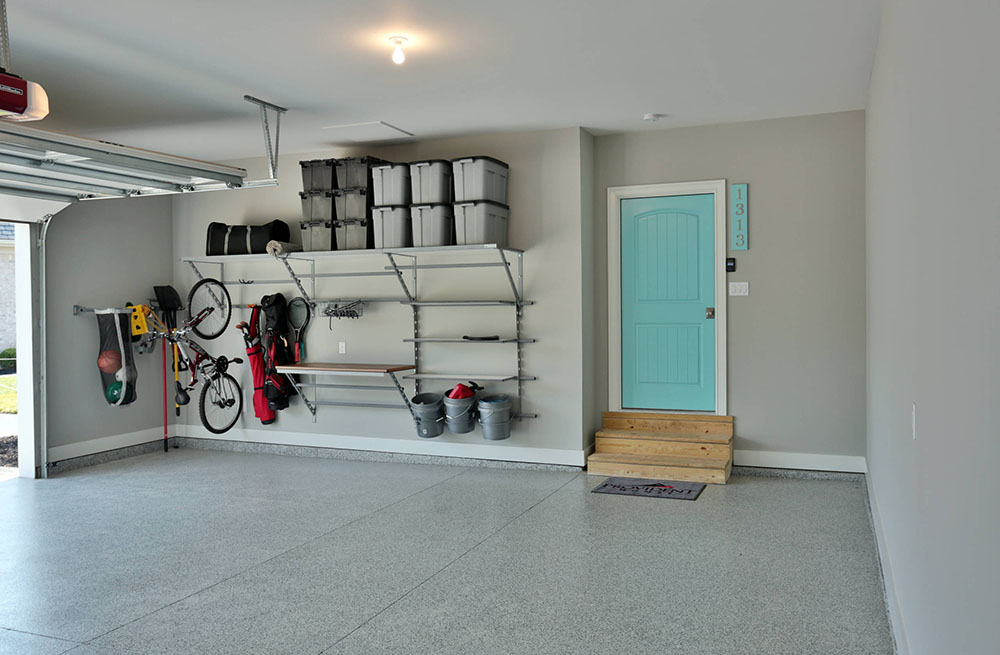
As summer approaches in the United States, most people focus on preparing their yards, tuning up their air conditioners, or planning vacations. Yet one space is often overlooked—the garage. It’s the catch‑all storage zone, the place where we toss everything that doesn’t fit inside the house. But when temperatures soar above 100°F (38°C), the garage becomes one of the harshest environments in your home. Heat, humidity, pests, and poor ventilation can turn it into a dangerous place for certain items.
If you’ve ever wondered what should not stay in your garage during the summer, you’re not alone. Many homeowners unknowingly store things that can melt, mold, explode, attract pests, or simply degrade beyond repair. Preparing your garage for summer isn’t just about organization—it’s about safety, longevity, and protecting your belongings.
Below is a deep dive into the items you should move out of your garage before the heat hits, and why doing so can save you money, frustration, and even prevent accidents.
The Hidden Dangers of Summer Heat in Your Garage
Unlike the interior of your home, your garage is rarely insulated, cooled, or humidity‑controlled. In many U.S. states—especially in the South, Southwest, and Midwest—garage temperatures can climb 20–30°F higher than outdoor temperatures. That means a 90°F day can easily create a 120°F garage.
This extreme environment affects different materials in different ways:
- Heat accelerates chemical reactions and evaporation
- Humidity encourages mold and mildew
- Warm, dark spaces attract insects and rodents
- Poor ventilation traps fumes and odors
- Temperature swings cause expansion and contraction
Understanding these risks helps explain why certain items simply don’t belong in the garage during summer.
1. Flammable Liquids and Chemicals: A Fire Hazard Waiting to Happen
Gasoline, paint thinners, solvents, adhesives, and even leftover paint cans are extremely sensitive to heat. High temperatures increase internal pressure, which can cause containers to leak, burst, or release fumes. These fumes can ignite with the smallest spark—from a power tool, a water heater, or even static electricity.
If you must store chemicals, keep them in a cool, dry, indoor utility closet or a metal safety cabinet designed for flammable materials.
2. Food, Pet Supplies, and Seeds: A Buffet for Pests
Many people store bulk food, canned goods, or pet food in the garage for convenience. Unfortunately, summer heat accelerates spoilage and attracts pests like ants, cockroaches, and mice. Rodents can chew through bags of dog food in a single night, leaving contamination behind.
Even birdseed and grass seed are vulnerable—they absorb moisture, grow mold, and become insect magnets.
If it’s edible, biodegradable, or smells like food, it belongs inside the house, not in the garage.
3. Paper Goods: Mold’s Favorite Snack
Cardboard boxes, books, documents, and old photos are extremely vulnerable to humidity. Paper absorbs moisture quickly, leading to warping, yellowing, and mold growth. Photos can stick together permanently, and important documents can become unreadable.
If you must store paper items, use airtight plastic containers and keep them in a climate‑controlled area.
4. Electronics and Batteries: Heat’s Silent Victims
Old laptops, power tools, extension cords, and spare batteries degrade rapidly in high temperatures. Lithium‑ion batteries can swell, leak, or even catch fire. Circuit boards warp, plastic casings crack, and internal components corrode.
Electronics should always be stored indoors, where temperatures remain stable.
5. Wooden Furniture and Musical Instruments: Warping and Cracking Ahead
Wood expands in humidity and contracts in heat. This constant movement can cause:
- Cracks
- Warping
- Loose joints
- Mold growth
Musical instruments—especially guitars, violins, and pianos—are even more sensitive. The garage is one of the worst possible places to store them.
6. Bottled Water and Drinks: Not as Safe as You Think
Plastic bottles left in a hot garage can release chemicals into the water. Canned drinks may rust or burst. Even sports drinks and sodas can degrade in flavor and quality.
Keep beverages in a pantry or indoor storage area instead.
7. Seasonal Clothing and Fabrics: Mold, Odor, and Damage
Clothes, blankets, and fabric items absorb moisture and odors easily. In summer, they can develop mildew or become nesting material for rodents.
Store them in sealed bins inside your home or in a climate‑controlled storage unit.
8. Valuable Items: A Security and Climate Risk
Garages are one of the most common entry points for burglars. High temperatures also damage collectibles, artwork, and high‑end tools. If something is expensive or irreplaceable, it should never live in the garage.
Why Moving These Items Matters
Removing these items from your garage isn’t just about avoiding damage—it’s about:
- Preventing fires
- Avoiding pest infestations
- Protecting your health
- Saving money on replacements
- Keeping your home safer and cleaner
A well‑maintained garage also makes summer activities easier—whether you’re grabbing your lawn tools, accessing sports gear, or working on DIY projects.
A Summer‑Ready Garage Is a Safer Home
Preparing your garage for summer is one of the smartest home‑maintenance steps you can take. By removing heat‑sensitive, flammable, or pest‑attracting items, you protect your belongings and reduce risks inside your home. Think of it as a seasonal reset—one that keeps your space functional, safe, and ready for whatever summer brings.
What Items Should You Remove From Your Garage Before Summer?