
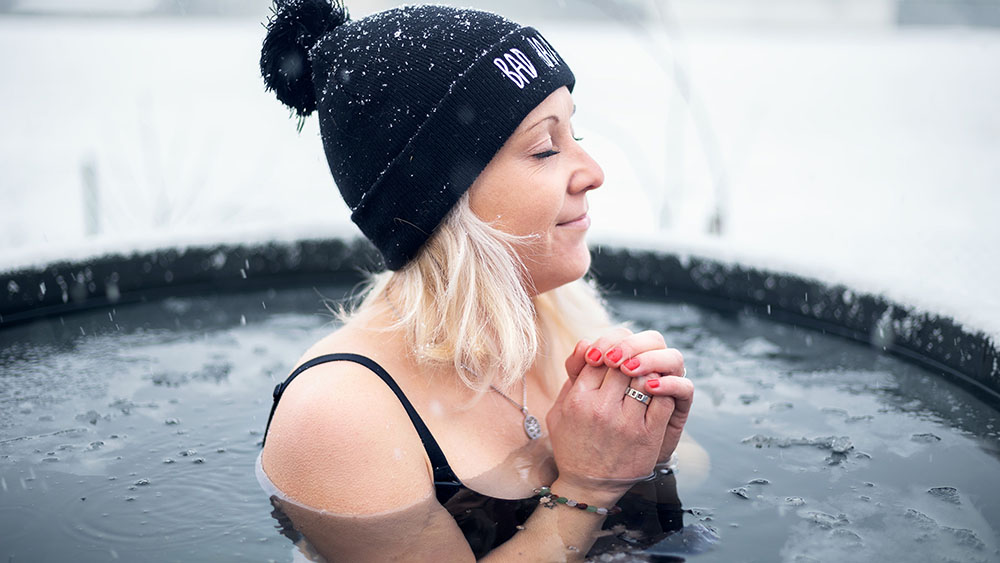
Cold water has always had a way of waking people up — not just physically, but emotionally and spiritually. In the past few years, however, the simple act of stepping into icy water has transformed from a niche athletic recovery method into a full‑blown cultural movement. Cold plunge tubs are now appearing in backyards, boutique gyms, luxury spas, and even tiny city apartments. What was once a ritual practiced by ancient civilizations has become one of the most talked‑about wellness trends of the decade, blending tradition, science, and a surprising sense of community.
To understand why cold plunging has captured so much attention, it helps to look at where the practice came from — and why it resonates so strongly today.
A Ritual Older Than Modern Wellness
Although cold plunging feels like a modern biohacker’s obsession, the roots of cold water immersion stretch back thousands of years. Ancient Egyptians used cold pools to invigorate the body, while Greek athletes routinely submerged themselves in cool water after training — a practice even noted by Hippocrates. Nordic cultures famously paired steaming saunas with icy lakes, believing the contrast strengthened the body and sharpened the mind. Japanese traditions also embraced cold baths as a way to cultivate discipline and mental clarity.
These early practices weren’t just about physical recovery. They were tied to ideas of purity, resilience, and connection to nature. In many cultures, cold water symbolized renewal — a way to reset the body and spirit.
Over centuries, these rituals evolved. By the 19th century, European hydrotherapy centers popularized cold baths as therapeutic treatments. In the mid‑20th century, athletes adopted ice baths for recovery, sparking scientific interest in cold exposure. And in the 21st century, social media propelled cold plunging into global consciousness, turning it into a shared experience rather than a solitary ritual.
How Cold Plunging Works on the Body
Part of the appeal of cold plunging lies in its immediate, visceral impact. The moment your body hits icy water, a cascade of physiological responses kicks in. The first is the cold shock response — a sharp inhalation and a racing heartbeat as your body reacts to the sudden temperature change. This is followed by vasoconstriction, where blood vessels tighten to protect your core temperature. Once you exit the water, vasodilation floods warm blood back to your extremities, creating a powerful sense of warmth and relief.
Cold immersion also triggers the release of endorphins, the body’s natural mood elevators. Many people describe feeling euphoric, clear‑headed, or deeply calm after a plunge — a sensation that keeps them coming back.
Athletes have long used cold water therapy to reduce inflammation, speed recovery, and ease muscle soreness. By the late 20th century, sports medicine had standardized ice‑bath protocols, paving the way for the modern cold plunge tubs now found in homes and training centers.
A Global Tradition Reimagined
What makes cold plunging so fascinating today is how it blends ancient customs with modern wellness culture. Around the world, cold water immersion has taken on different meanings:
- Nordic countries continue to pair saunas with icy lakes, treating the practice as both a health ritual and a social activity.
- Japan incorporates cold plunges into onsen culture, using temperature contrast for purification and balance.
- Russia’s banya tradition includes diving into frozen rivers after hours in a steam‑filled bathhouse.
- Iceland embraces the natural contrast between geothermal hot springs and frigid plunge pools, turning the experience into a celebration of nature itself.
These cultural variations highlight a universal truth: cold water has always been more than just cold. It’s a way to reconnect with the environment, test personal limits, and find clarity in discomfort.
Why Cold Plunge Tubs Are Everywhere Now
The modern cold plunge movement didn’t explode by accident. Several forces converged to make icy water the wellness world’s hottest trend:
1. The Search for Mental Resilience
In an age of constant digital noise and rising stress levels, people crave practices that build mental toughness. Cold plunging offers a simple, accessible challenge: step into discomfort, breathe through it, and emerge stronger.
2. The Rise of Community‑Driven Wellness
Cold plunging has become a social ritual. Groups gather at lakes, beaches, or backyard tubs to plunge together, creating a sense of camaraderie. Online communities share tips, progress, and encouragement. As one cultural analysis notes, cold immersion has “sparked communities, inspired art, and shifted how we think about resilience and connection to nature.”
3. The Influence of Athletes and Public Figures
From marathon runners to football players, athletes around the world use cold plunges for recovery. Their endorsement — combined with the visibility of social media — has helped normalize the practice.
4. The Innovation of Home Cold Plunge Tubs
What once required a lake or a bathtub full of ice is now available as a sleek, temperature‑controlled device. Modern cold plunge tubs can maintain water as low as 3°C, making daily plunging easy and consistent. This convenience has brought the practice into everyday life.
More Than a Trend — A Return to Something Human
What makes cold plunging compelling isn’t just the health benefits or the Instagram‑ready aesthetic. It’s the way it reconnects people with something primal. Stepping into cold water forces you to be present. It strips away distraction. It reminds you that your body is capable of more than you think.
Across cultures and centuries, cold water has symbolized renewal, resilience, and clarity. Today’s cold plunge tubs are simply the latest expression of that timeless idea — a modern vessel for an ancient experience.
Whether someone plunges for recovery, mental strength, or the thrill of the challenge, the appeal is the same: in a world that often feels overwhelming, cold water offers a moment of pure, undeniable aliveness.